
There is perhaps no better time than Halloween to take stock of horror’s long and tangled history. The genre did not arrive fully formed with any single film or decade; it has been built, nightmare by nightmare, since the earliest days of cinema itself, each era adding its own particular anxieties. What follows traces that lineage across twelve films spanning eleven decades, from the shadows of silent cinema to the genre’s newest nightmares, chosen for how faithfully each one captures what horror was doing in its moment. With only six nights left before Halloween, there’s no time to take them one at a time, so consider this a season’s worth of double bills condensed into less than a week: two films a night, paired by era, building to a Halloween-night finale where the lineup’s two newest entries go head to head. Clear the evening, queue up both features, and arrive at Halloween having worked through a century of nightmares. Trick or treat!
Night One — 1920s & 1930s: Häxan & Vampyr
Begin at the beginning: two of silent and early-sound cinema’s strangest nightmares, screened back to back for maximum unease.
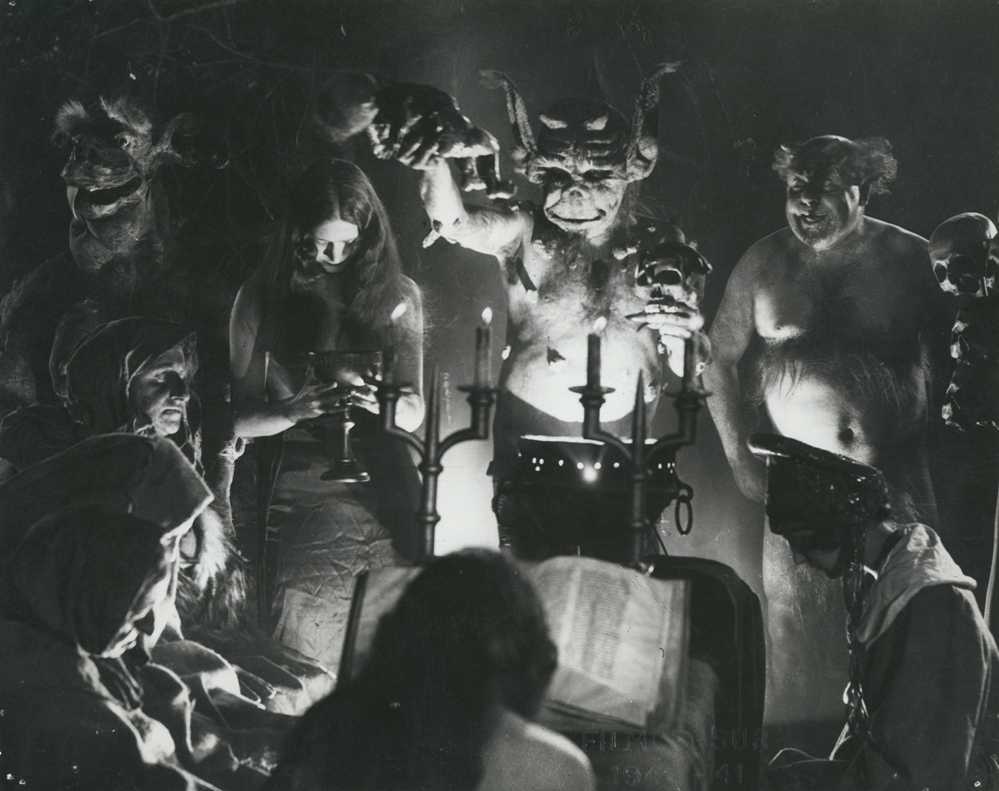
Benjamin Christensen’s documentary-style survey of witchcraft features genuinely upsetting dramatized torture, possession, and devil worship. A century on, it still feels like something smuggled past the censors. The perfect unsettling table-setter for a night of double-bill dread.
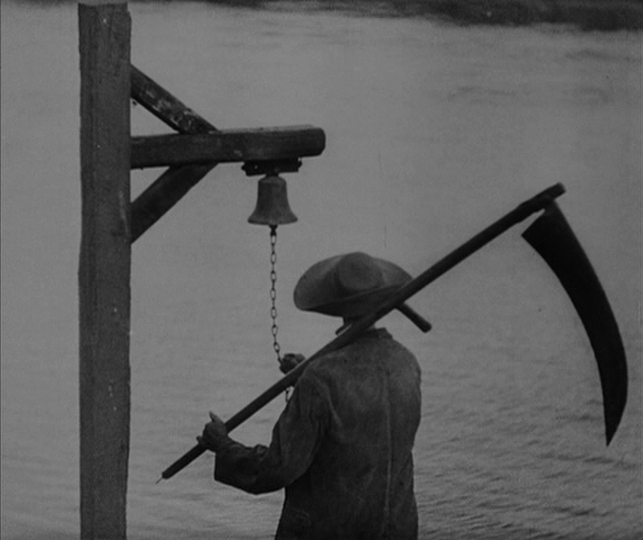
Carl Theodor Dreyer’s fog-drenched, nearly wordless descent into premature burial and shifting shadows isn’t scary in any conventional sense. Watch it late, lights off, and let it work on you the way it’s meant to: less a story than a mood that doesn’t lift till morning.
Night Two — 1940s & 1950s: Dead of Night & Les Diaboliques
From British anthology dread to French psychological warfare: two decades proving horror’s golden age didn’t need gore to horrify.
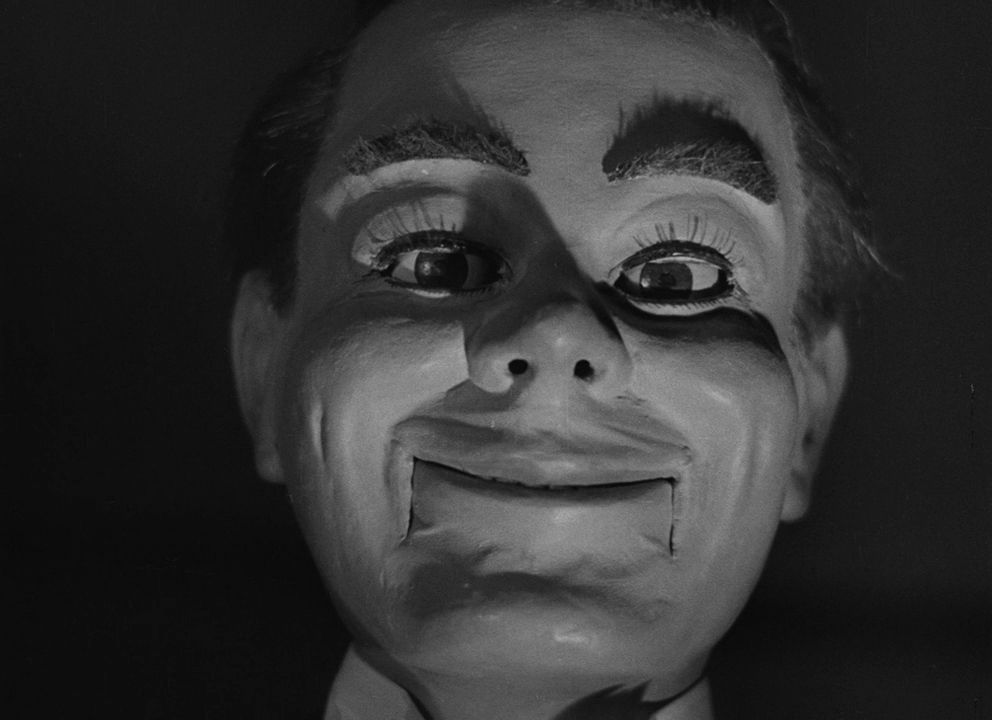
In the first, five strangers trade ghost stories at a country house, and one segment, involving a ventriloquist and his dummy, has been haunting horror ever since. British and clever, directed by a committee of four (including Alberto Cavalcanti and Robert Hamer), and the blueprint for every anthology that followed, Tales from the Crypt included.
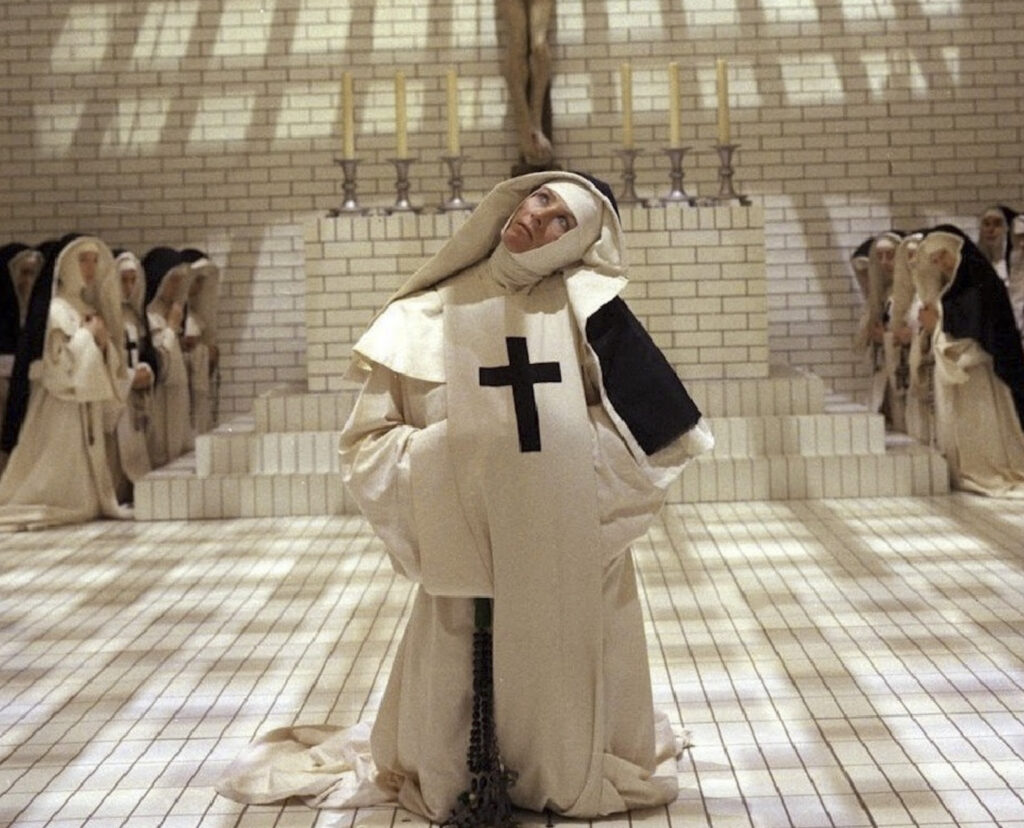
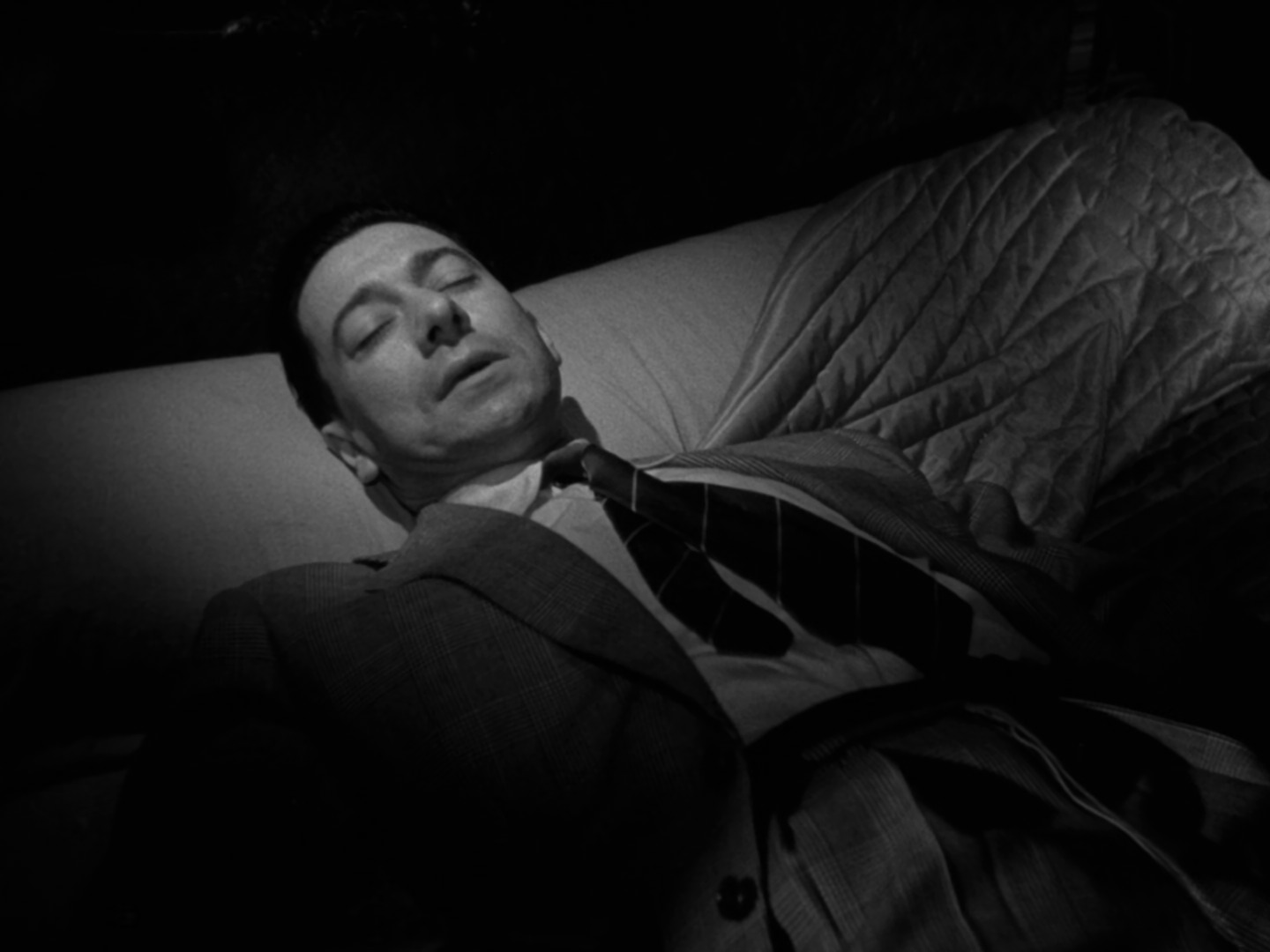
Henri-Georges Clouzot’s murder plot twists so hard it reportedly made Hitchcock jealous enough to buy the rights to its author’s next novel, which became Vertigo. Dim the lights and pay close attention to this slow burn where every detail pays off by the final reveal.
Night Three — 1960s & 1970s: Eyes Without a Face & Messiah of Evil
Clinical horror gives way to dreamlike American strangeness, in this horror movie pairing.
Georges Franju’s surgeon father, desperate to restore his disfigured daughter, crosses every line a parent shouldn’t. Gorgeous and clinical rather than gory, the movie proves that restraint can disturb more than excess. The mask alone has outlived nearly everything else from the decade.
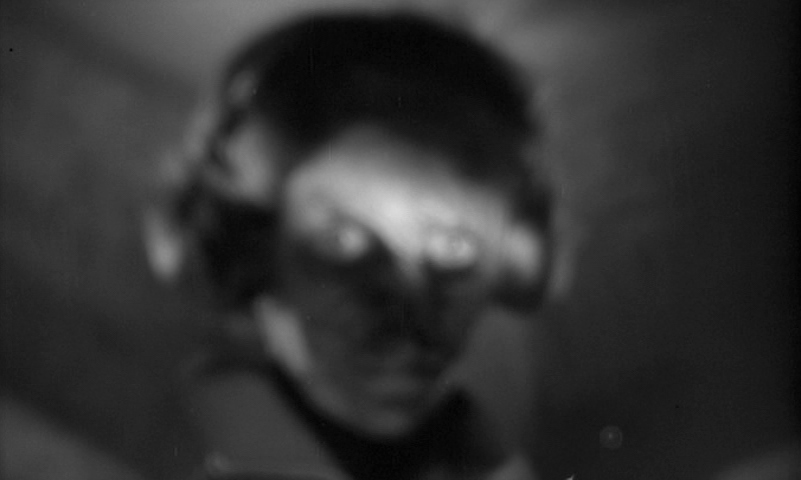
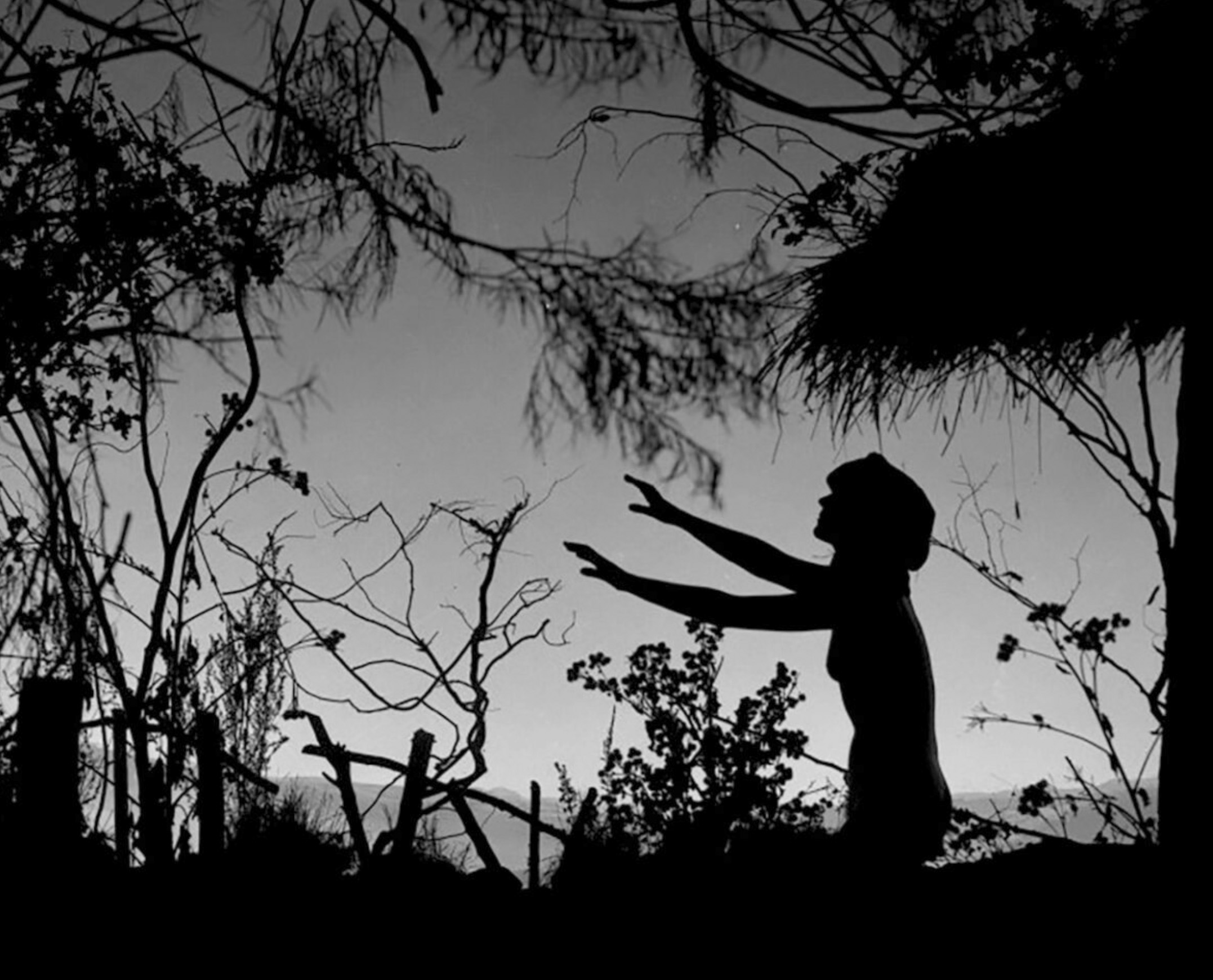
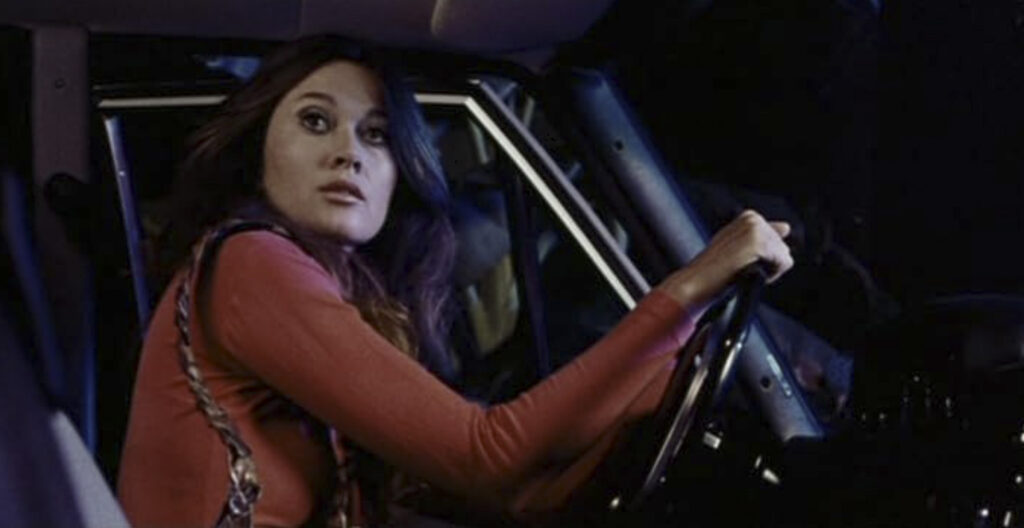
Messiah of Evil: this barely released, dreamlike American cult oddity follows a woman into a California coastal town full of something deeply wrong. Nobody agrees on what it means, which is exactly why it’s haunted the margins of the horror genre for fifty years.
Night Four — 1980s & 1990s: Possession & Cemetery Man
Pair the decade’s most unhinged breakdown with its strangest comedown: body horror followed by the blackest of black comedy.
Fair warning: this movie breaks people. Andrzej Żuławski and Isabelle Adjani turn a crumbling marriage into one of the most unhinged body horror films ever made. Not comfortable viewing, just an hour and forty minutes you’ll be thinking about well past Halloween.
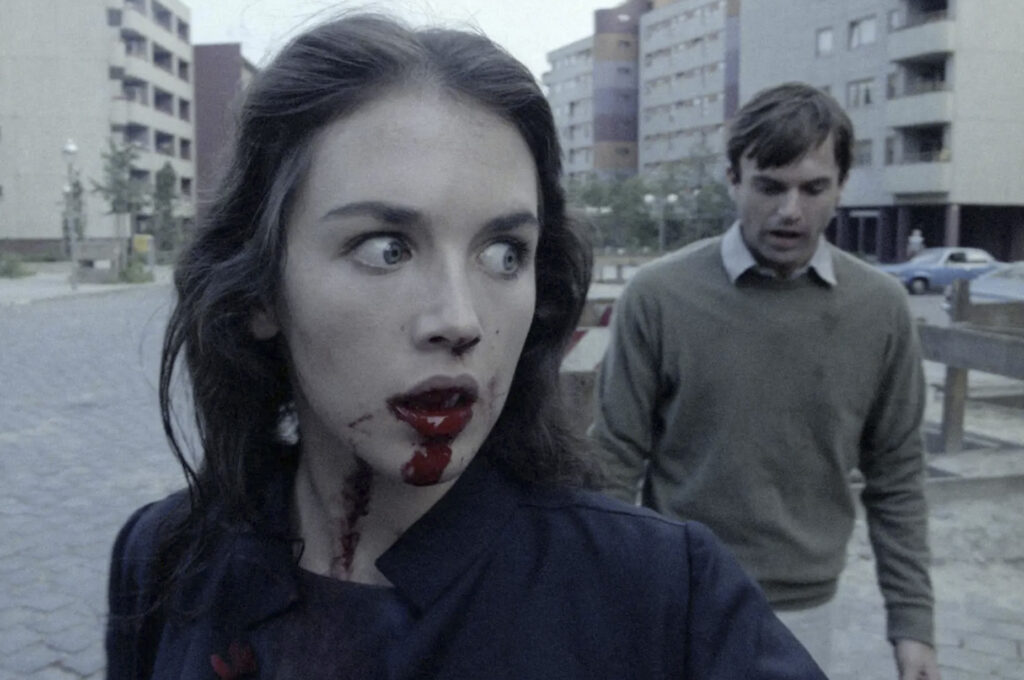
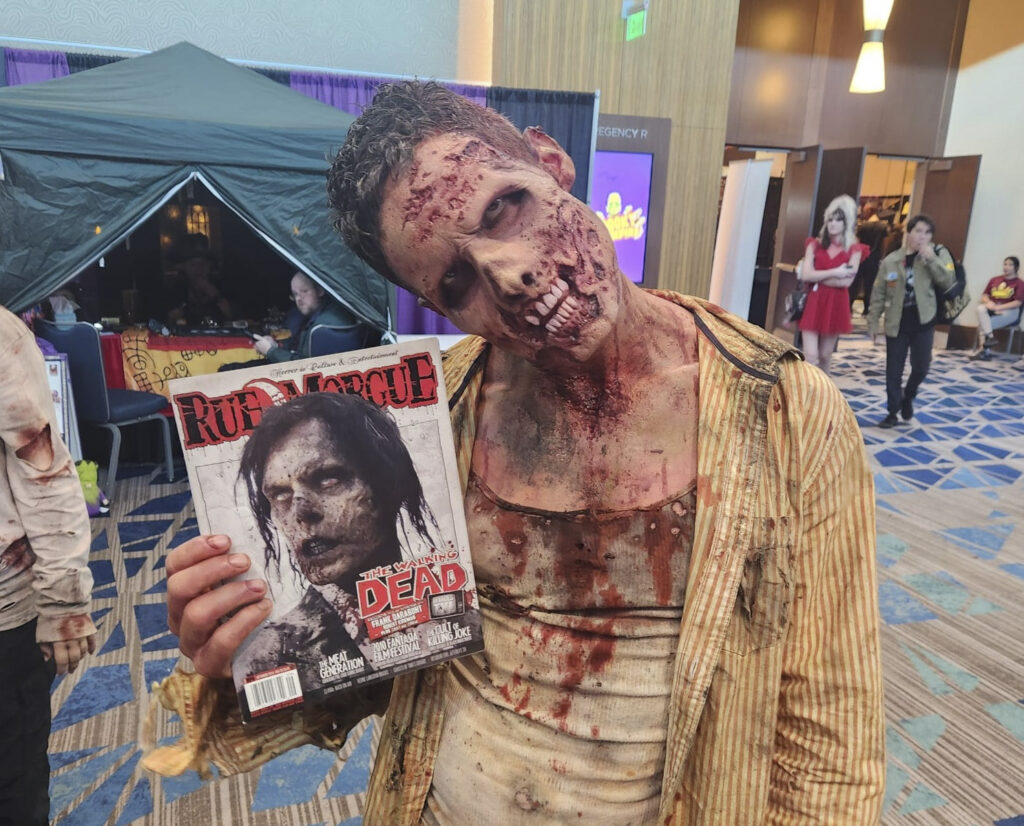
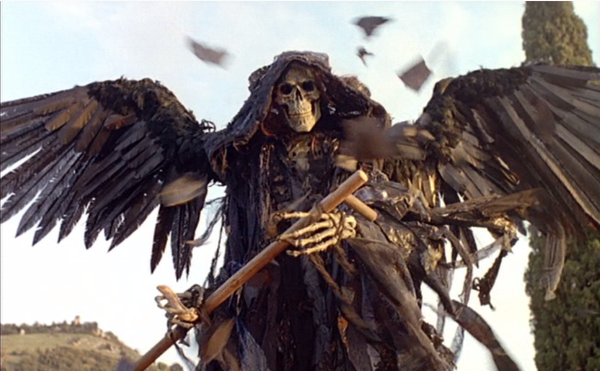
In Cemetery Man. Rupert Everett plays a cemetery caretaker stuck re-killing the dead who keep crawling out of their graves, in a film that’s equal parts zombie movie, black comedy, and heartbreak. Directed by Michele Soavi, it’s a strange, Italian, and purely enjoyable comedown from the night’s first feature.
Night Five — 2000s & 2010s: Inside & A Girl Walks Home Alone at Night
Brutality followed by beauty: French Extremity at its most merciless, then a skateboarding vampire adrift in gorgeous black and white.
Directed by Alexandre Bustillo and Julien Maury, a pregnant widow and a stranger who won’t leave her apartment share almost no mercy for ninety straight minutes. Inside is French Extremity at its most relentless, and proof that some of horror’s hardest films arrived just as everyone assumed the genre had gone soft.
Ana Lily Amirpour’s skateboarding vampire in a chador stalks a small Iranian oil town in gorgeous black and white, equal parts noir, romance, and predator movie. The quietest entry here, and maybe the most beautiful, it’s the night’s exhale after Inside‘s gut-punch.
Night Six — 2020s Double Bill: Huesera & When Evil Lurks — Halloween Night
Close out the countdown with two of the decade’s best from Latin America’s ongoing horror renaissance: one rooted in motherhood and folklore, the other in pure possession and contagion.
Directed by Michelle Garza Cervera, a pregnant woman is stalked by something that may be supernatural or may be her own unraveling mind, Mexican folk horror steeped in real anxiety about motherhood.
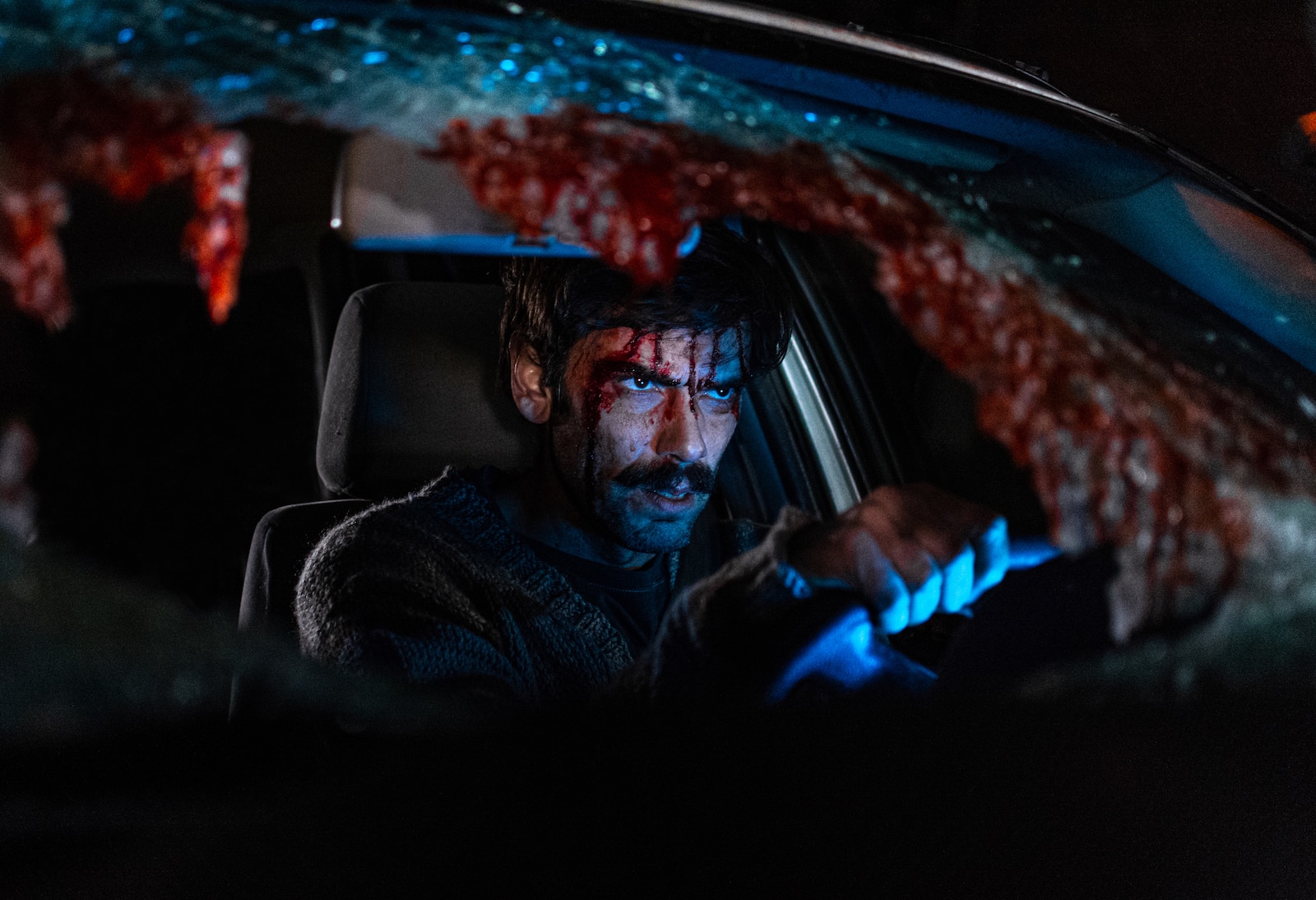
Demián Rugna’s Argentine import follows two brothers who stumble on a ‘rotten’ man carrying something unspeakable inside him, and every attempt to be rid of it only spreads the rot further. Merciless, inventive, and already hailed by genre fans as one of the best horror films of the decade, it’s the bleakest note this lineup has to offer, which makes it exactly the right way to send off Halloween. Happy Halloween!