
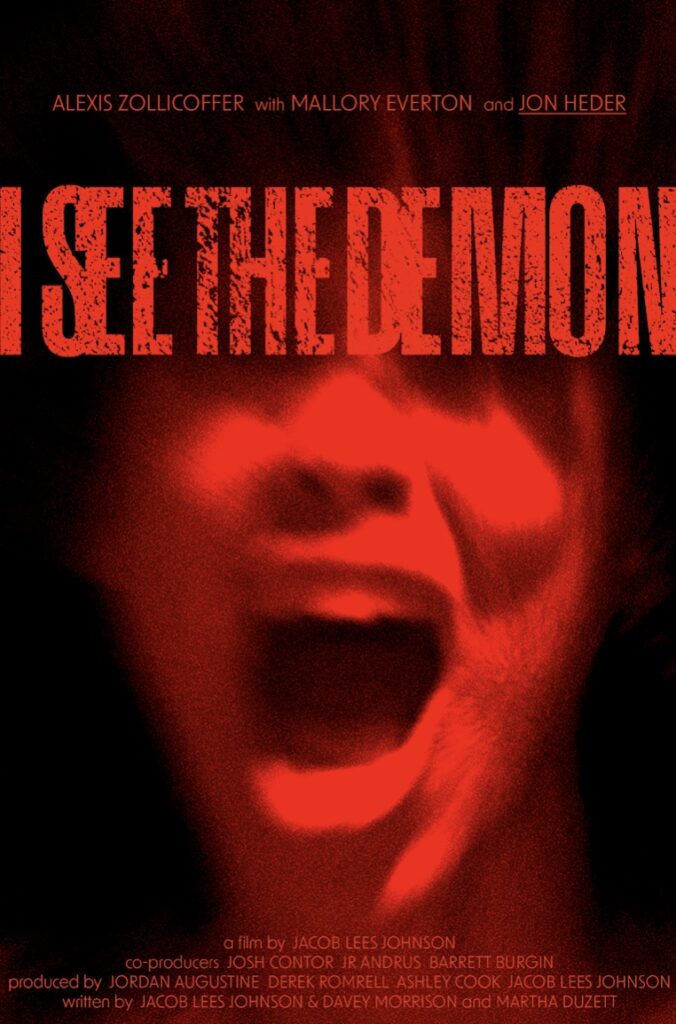
Horror has long been an avenue for creatives to express the human experience. I SEE THE DEMON is a piece that does this effectively, blurring the lines between genre and creating a piece of horror that will leave you asking questions, not of the film itself, but of your own sense of humanity. Where it delivers in genuine scares, it also packs a serious punch when talking about heavy subjects, but it does so with finesse and care.
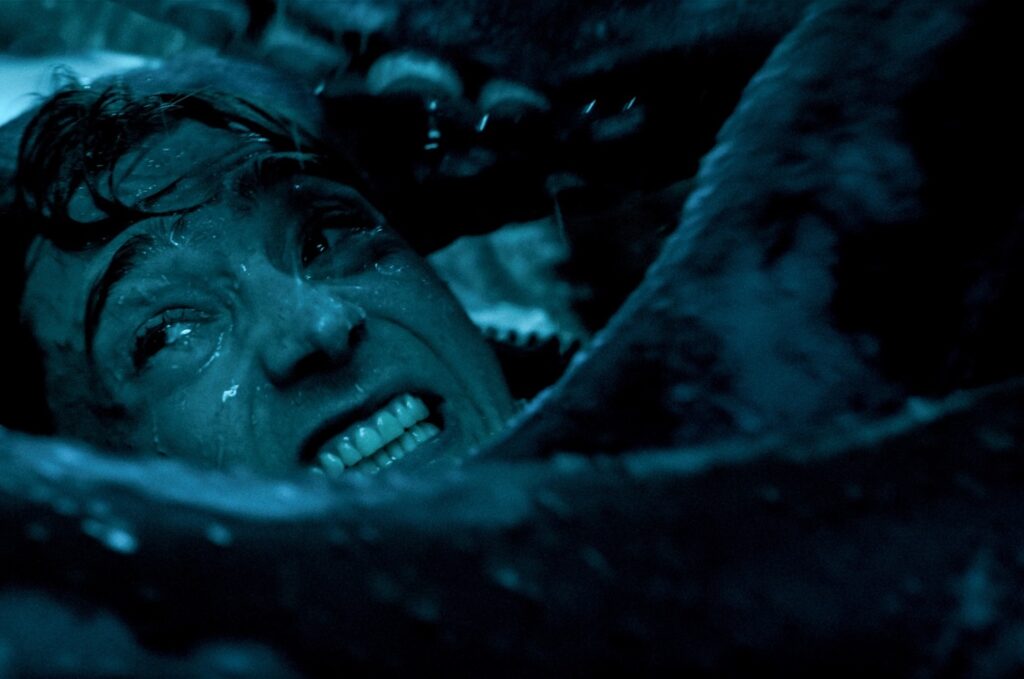
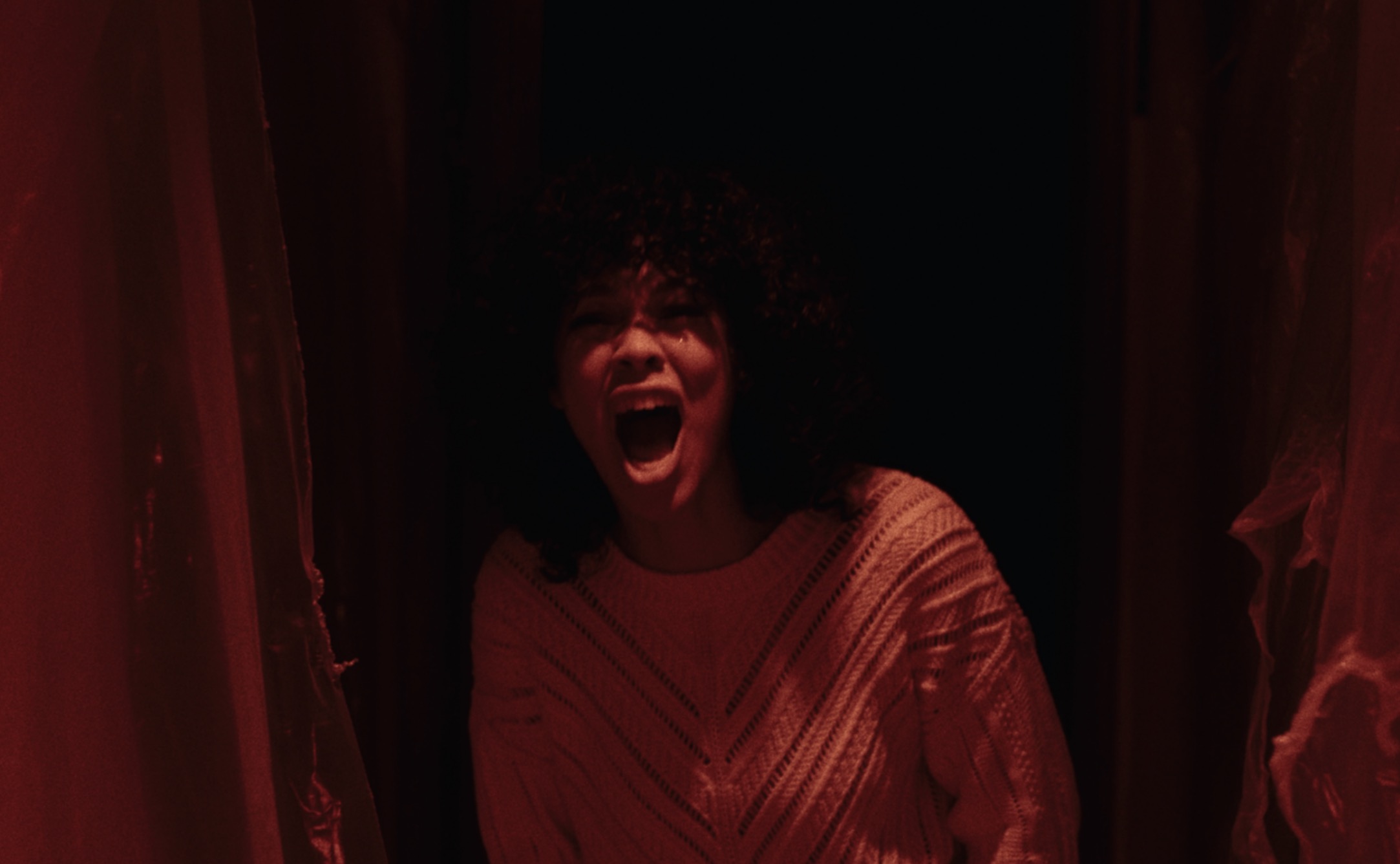
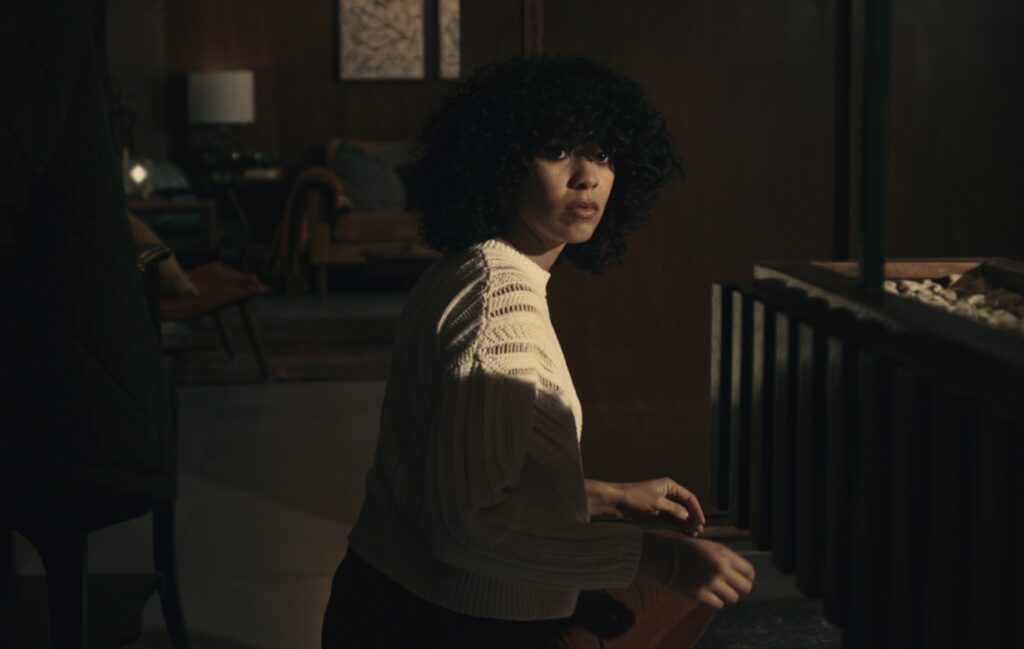
I SEE THE DEMON follows Lucy (Alexis Zollicoffer), a young woman who comes home to find all of her friends have thrown her a surprise birthday party. But something else is on Lucy’s mind- she saw some weird lights in the sky, and there is an apocalyptic threat on its way that no one is quite sure what to make of. As we delve into Lucy’s headspace, we realize she has found more than what she bargained for, and maybe things aren’t quite as they seem.
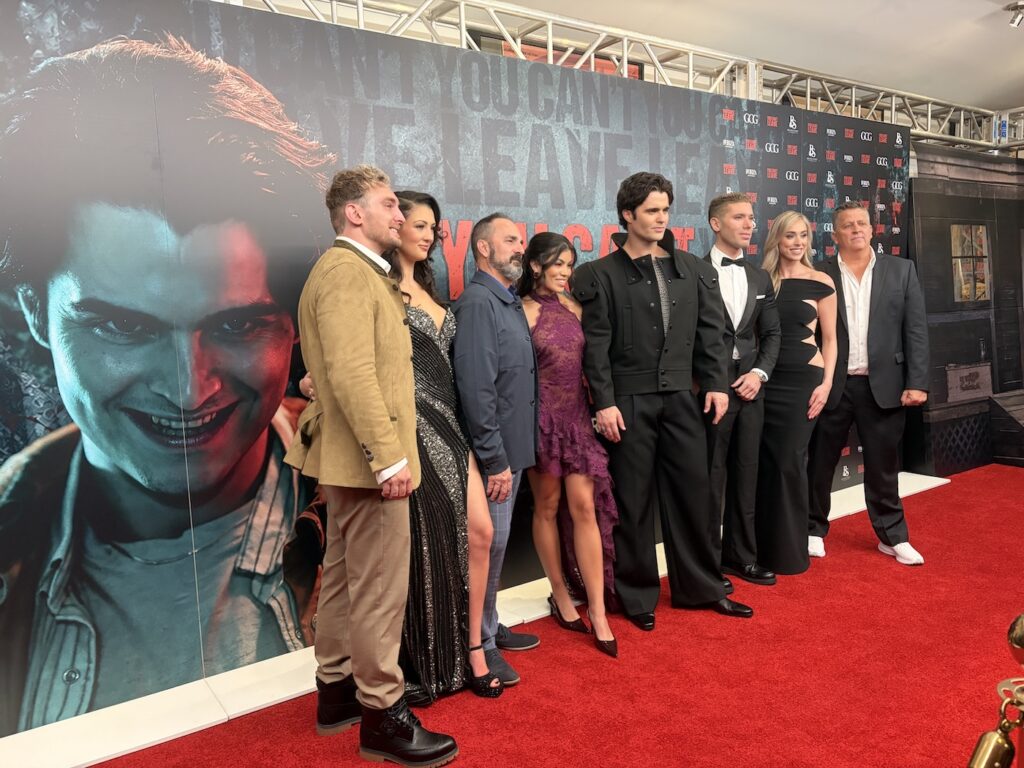
RUE MORGUE had the chance to speak with director/writer Jacob Lees Johnson and indie darling Jon Heder, one of the film’s supporting actors. We dived headfirst into the process that a film like this requires, and chatted about what it means to make an indie horror film- for the love of it, of course.
What does making indie horror mean to you?
JCJ: For me, it just means getting a movie made. This was my first feature, and I’m super lucky to have the opportunity. A lot of friends I went to school with, they’re still working in film, but some have left entirely. So for me to have the opportunity is awesome. And I’m glad I live in Utah, a place with a really strong film commission, so it’s cheaper to get things made, but there’s also an amazing crew and industry here. And then obviously it was nice to make the movie I wanted to make, and not have to worry about pleasing the investors really. We had an executive producer that was great, super hands off and just happy to have it made.
JH: Making an indie film is making an indie film, whether it’s a comedy or horror or thriller or whatever. Just echoing Jacob, I think it’s nice when you have the freedom to do what you want to do. Normally when it’s independent you don’t quite have the budget you would like, but I think ever since being in film school and learning the art of working when you’re strained in your budget, a lot of times you can make something great. Some of the best stuff I’ve ever seen is when there was a limit on what you can do. It forces you to really make something cool creative decisions.
Indie horror more specifically is where you get to see stuff outside the box. Horror fans, I myself being a horror fan, want to see something scary, but a lot of times fear comes from the unknown. We react more viscerally to something we’ve never seen before, we don’t know what to expect. It’s easy to get those horror films that is by the numbers, a studio film, so we know exactly what’s gonna happen. It’s fun horror, but not really the horror we love, because it’s too predictable. In an indie film, you have not just the opportunity to do what you want, but also you come across the kind of filmmakers who are trying something different.
This film took a sharp left turn from what I was expecting, based on what we see in the film’s trailer. How can you prepare audiences for what they’ll witness in I SEE THE DEMON?
JCJ: It has been a bit tricky because it is a bit of a genre mash-up. It’s sci-fi, it’s horror, it’s thriller, it’s psychological, it’s also a very strong character dynamic- so we just wanted to get people hooked with the trailer, and hopefully that’s enough for them to stick through and go on the whole ride, because I feel like the end pays off in a really great way. I would say to prep audiences, to prepare to feel all of the emotions. Pretty much every time I’ve screened this movie, I’ve had the audience scared, reacting to the scary parts, but also crying by the end. I think it’s really cool to have that emotional journey and hit all of those emotions.
Horror has largely been a medium that filmmakers have used to explore trauma, and this film is no different. How do you approach that as filmmakers?
JCJ: Very delicately. First of all, it was casting. We had to find the exact right person. We had the whole rest of the cast, including Jon, set well before. It took us a long time to find the right Lucy. Before we were on set, we were just talking about trauma, talking about how we were going to explore it on the day and making sure the conditions on set were right for Alexis, who plays Lucy, to really go there. And she really, really does. She goes through the wringer emotionally, and you can see it in her performance. She doesn’t hold back at all, her performance is super raw and super visceral, and she’s really feeling it when she’s in there. You can tell that she’s feeling it.
There were actually points where I was like, oh, I don’t want to be like Stanley Kubrick in The Shining. I don’t want to do that. I’d be like “are you sure you’re okay?” And she’s say “yeah, I’m good.” So I think we did create a good place to make her feel safe exploring trauma.
The actors in this film had great friendship chemistry. What went into that kind of character development?
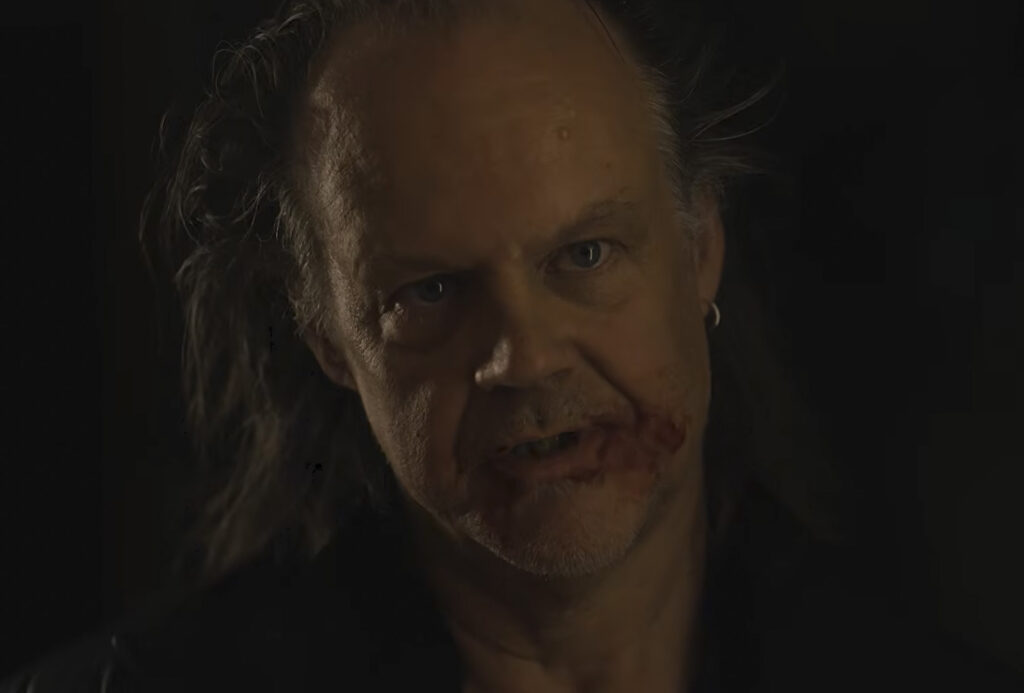
JH: It could differ for every project. For this project, at least for me, I think the best way is just spending time with people. You’re getting to know them. This film being shot in Utah, a lot of them were Utah-based actors. I went to BYU in Provo, so I knew people who knew people, and kind of came a little bit from that world. So when we got on set, the nature of being actors, at least in my lucky experience working with great actors who don’t shut themselves off, we all spent time together. We had quite a lot of time in between set-ups, just hanging out in the same room. We didn’t have trailers or anything like that, but I loved it that way because then it forces you to get to know each other.
It helped that we all were actors, coming from the same place of trying to tell stories, and then having the similar backgrounds with some of us, and then others not. It’s like hey, we know we’re playing friends, so let’s make that happen. Let’s get to know each other. And it came off very naturally.
Jon, you are a legend in the indie film scene due to your breakout film Napoleon Dynamite. What is the biggest difference you experience as an actor when approaching horror versus comedy?
JH: Well, I haven’t done a lot of horror. The little bits I have, there’s always some comedy involved. I think there’s comedy in everything, there’s comedy to be found in the absurd and the unknown, which you dabble in with horror. In comedy, everyone on set, everybody in the crew and the cast but especially the writer and director, is thinking about the audience. And you do. Sometimes they say a good artist is doing what they want to do. But sometimes what they want to do is entertain people.
In comedy, you’re thinking about what gonna make them laugh, what’s gonna give them this reaction. It’s the same in horror, but instead it’s I want them to fear this, I want to surprise them, I want them to feel on edge. So you still have that same approach, like what can you do to set up this world so that they feel what we felt when we read the script. So you commit 100% to your part. For me, my character isn’t there to experience all the emotions of the unknown, the fear, that’s really on Alexis’s shoulders. You’re really seeing her point-of-view, taking this ride with her. Whereas, the rest of us are there to set it up. It’s the same as in comedy, when you think of the comedic guy and the straight man. Sometimes you’re the one setting up the joke, sometimes you’re the one who’s pulling off the joke, but you still have your part to play, and if you commit to it, it works on the whole.
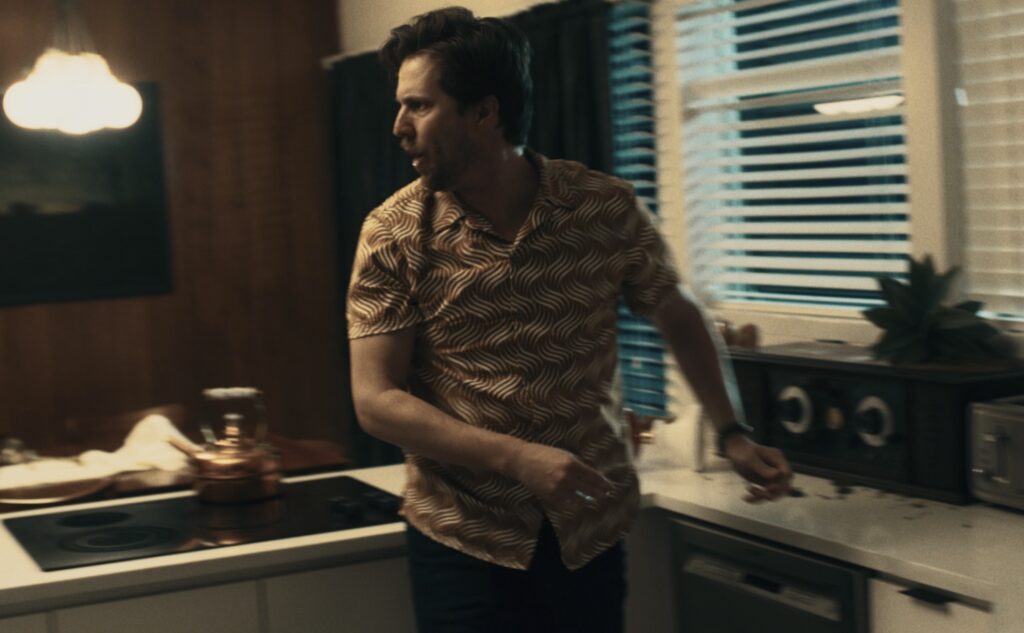
Jacob, you set up some truly horrifying shots that made for some good jump scares. What goes into creating a terrifying shot?
JLJ: For this one, I think the first time we see something that’s really specifically weird, gross, horrific, is at the tail end of this long, unsettling conversation when Lucy is trying to express what she views at the truth, and everyone around her is saying that it’s not true. She’s experiencing very strong gaslighting, so for that it kind of set the tension on its own. The build-up was already there, so when there is a hard hit of something horrific, it’s just breaks the tension. It just follows naturally from all the feelings that we’ve been feeling, and things are getting weirder and weirder, so there’s a sort of payoff. It just kind of flows into it.
What do you hope people get out of I SEE THE DEMON? Do you as creatives strive for catharsis?
JLJ: What I hope people get out of this kind of ties into the title, I SEE THE DEMON. It’s not a demonic possession sort of demon, it’s open to interpretation what the demon is. One of the things I was really interested in was playing with blind spots that people might have. If I have any message for what I hope people come away with, it’s that they might be a little more self-reflective and think about what do I see, what do I not see, and maybe take some time to think about that. But hopefully it works on an emotional level, and that feeling penetrates.
As far as catharsis goes- I don’t know, I guess it just depends on the project. It just needs to feel right. Whether it’s a cathartic feeling that feels right or not.
JH: I think for many filmmakers’ standpoint, you want people to think about it. When I first read it, I had the same feeling. With this kind of project, you watch it, and it feels nonlinear, somewhat. You’re jumping through time and perspective, and you don’t know what’s happening. But by the end, there’s a feeling of you receiving answers to mysteries, but not all the answers, and you’re thinking that you could easily see it again and catch more clues. I think a good horror film, especially a fun psychological one like this, it just makes you think. You want it to linger afterwards. Is it a lesson you learned, or just a fun ride?
I SEE THE DEMON is now available to watch on Amazon Prime and Apple TV.