
By GABE THOMAS
From a financial perspective, the early aughts remakes of A Nightmare on Elm Street, Friday the 13th and Halloween make perfect sense. Who wouldn’t line up to see modern reinterpretations of such legendary and recognizable characters? These films were not well-received by fans or critics but made huge amounts of money at the box office. What we saw after the Halloween-costume horror IP well started to dry up was second-rung ’80s horror flicks getting the glossy reboot treatment. The Last House on the Left, Prom Night, and of course, The House on Sorority Row.
The only real talking point with the 2009 remake of Sorority Row was the inclusion of the mostly retired Carrie Fisher as the House Mother. Her brief scenes overflow with the sass and sarcasm she was so well known for, providing some class to an otherwise forgotten slasher film. While it’s seen as another footnote on the shameless roller coaster of spiteful adaptations that moored the era, Sorority Row has more wit and exciting carnage than it gets credit for.

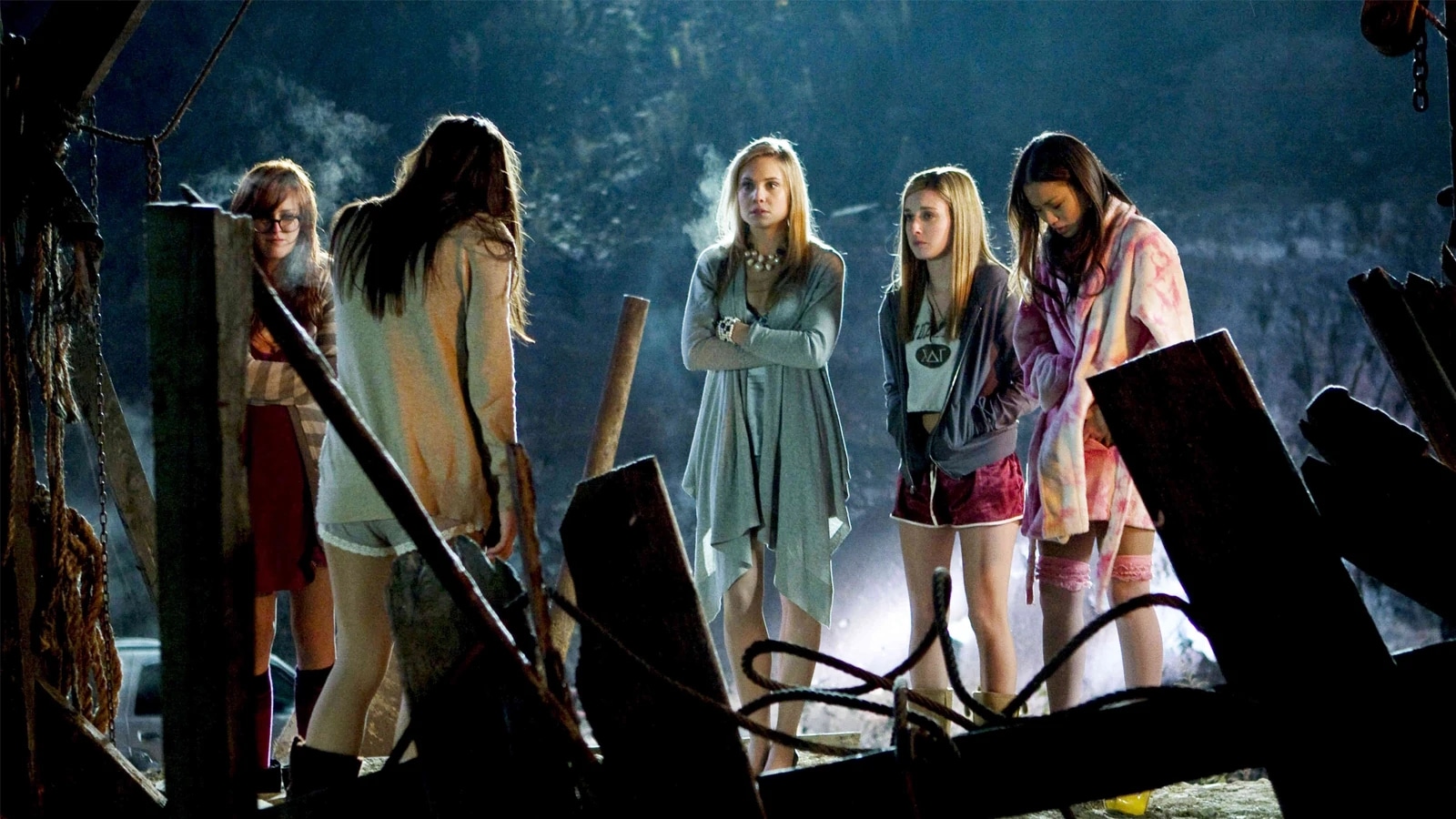
After a prank gone wrong leads to the death of one of their own, a group of sorority sisters tries to move on with their lives. But unsurprisingly, there’s a hooded slasher out there who isn’t going to let that happen. It’s basically I Know What You Did Last Summer, but led by a largely female cast and a greater enthusiasm for its ridiculous premise than that franchise ever achieved.
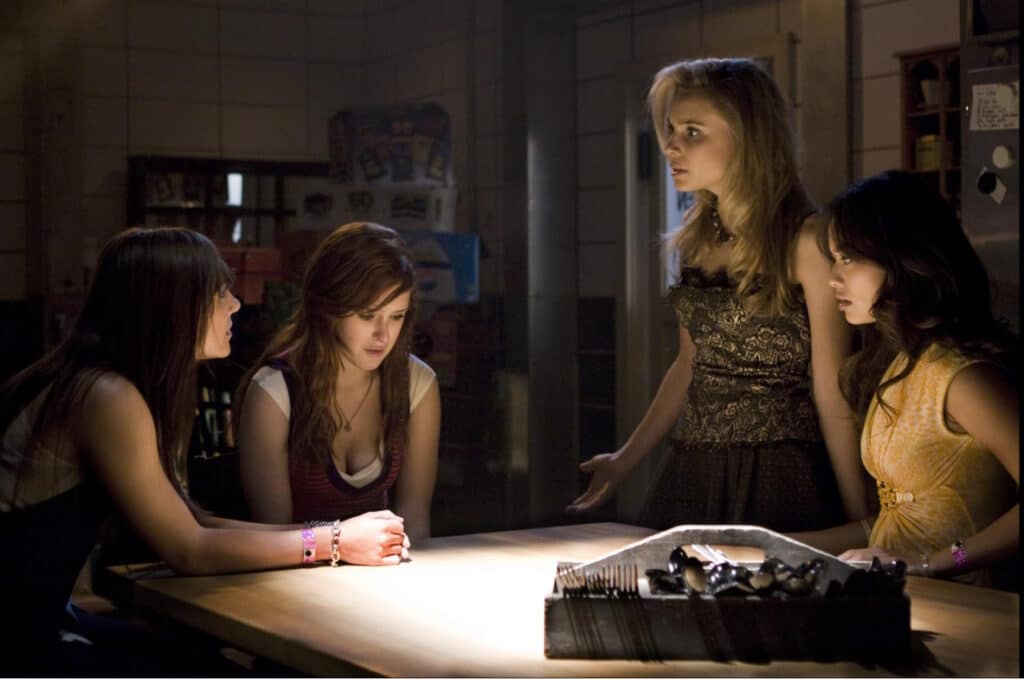
Sorority Row is elevated by the self-awareness of its cast and screenplay. There are undeniably gratuitous shots of scantily clad women and jokes tinged with an Eli Roth air of misogyny that cannot be ignored. Yet, the cutting remarks and agency of our five leads keep the whole thing fun. They let the sisters be mean, creating moments so biting and funny that they never feel too stereotypical.

The absolute highlight is Leah Pipes’ performance as Jessica, who should be in a Shane Black movie with the tenacity and speed of her quips. She’s such a heightened character – almost completely unfazed by the bloody violence happening around her – adding an enhanced cartoonish vibe movies like this really need.
Where a lot of these slasher remakes go wrong is in their dedication to seriousness. Draining someone like Freddy Krueger of any personality is not “taking the franchise back to its roots” as much as it is missing the appeal entirely. Slasher films can be bleak and scary, but they are often played best with an element of fantasy. This is not a problem in Sorority Row.
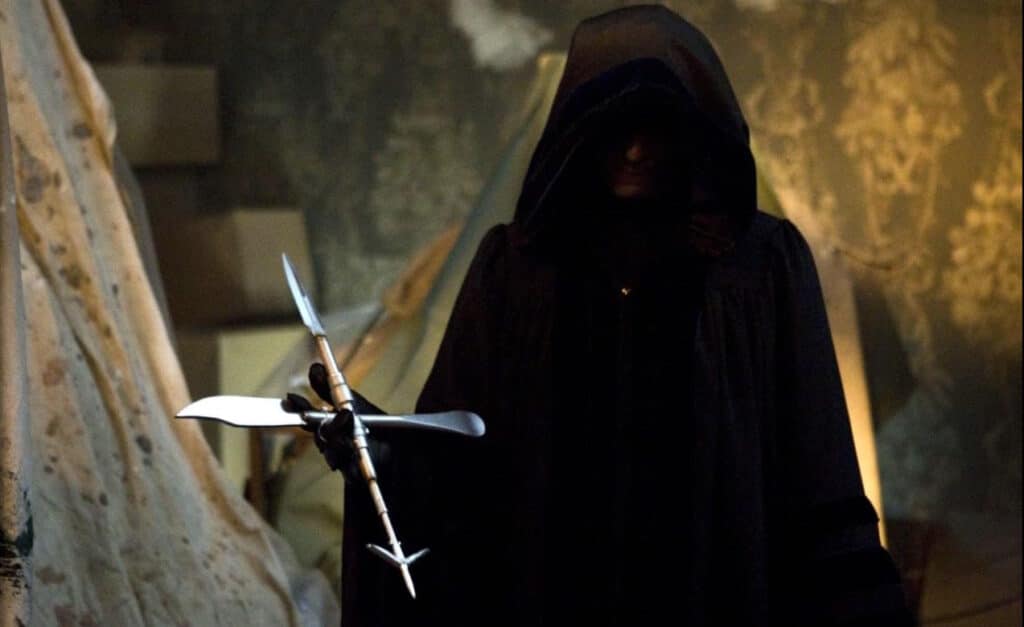
Even the mysterious killer at the film’s center is made more interesting by their choice of weapon. The sister the sorority let die was killed by a tire iron, so the slasher here uses a sort of T-shaped blade that’s part knife, part harpoon. The death sequences are especially ruthless, giving gorehounds something to chew on amidst the whodunnit story.
There has been discussion online since the film’s release about how similar it is to the additionally mistreated Black X-Mas (2006) from a few years earlier. The main comparisons are setting-based, as both movies follow sororities in their Greek houses being killed off by someone unknown to them. That’s the only way the films intersect. X-Mas has a preoccupation with being shocking and mean-spirited that Sorority Row lacks, crafting a tonal discrepancy that makes each film feel distinct.
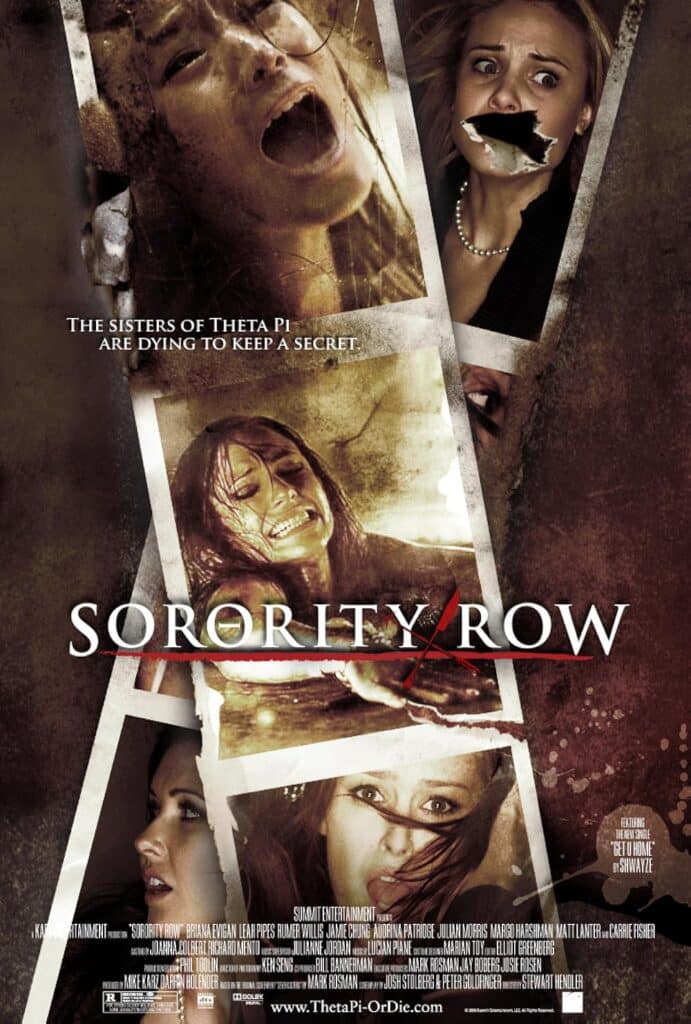
When so many of the early 2000s horror re-imaginings are being reevaluated as forgotten and misunderstood, Mark Rosman’s violent, feminist fright fest should be on that list. It’s too entertaining to fail and is much more worth your time than the title and poster might lead you to believe.