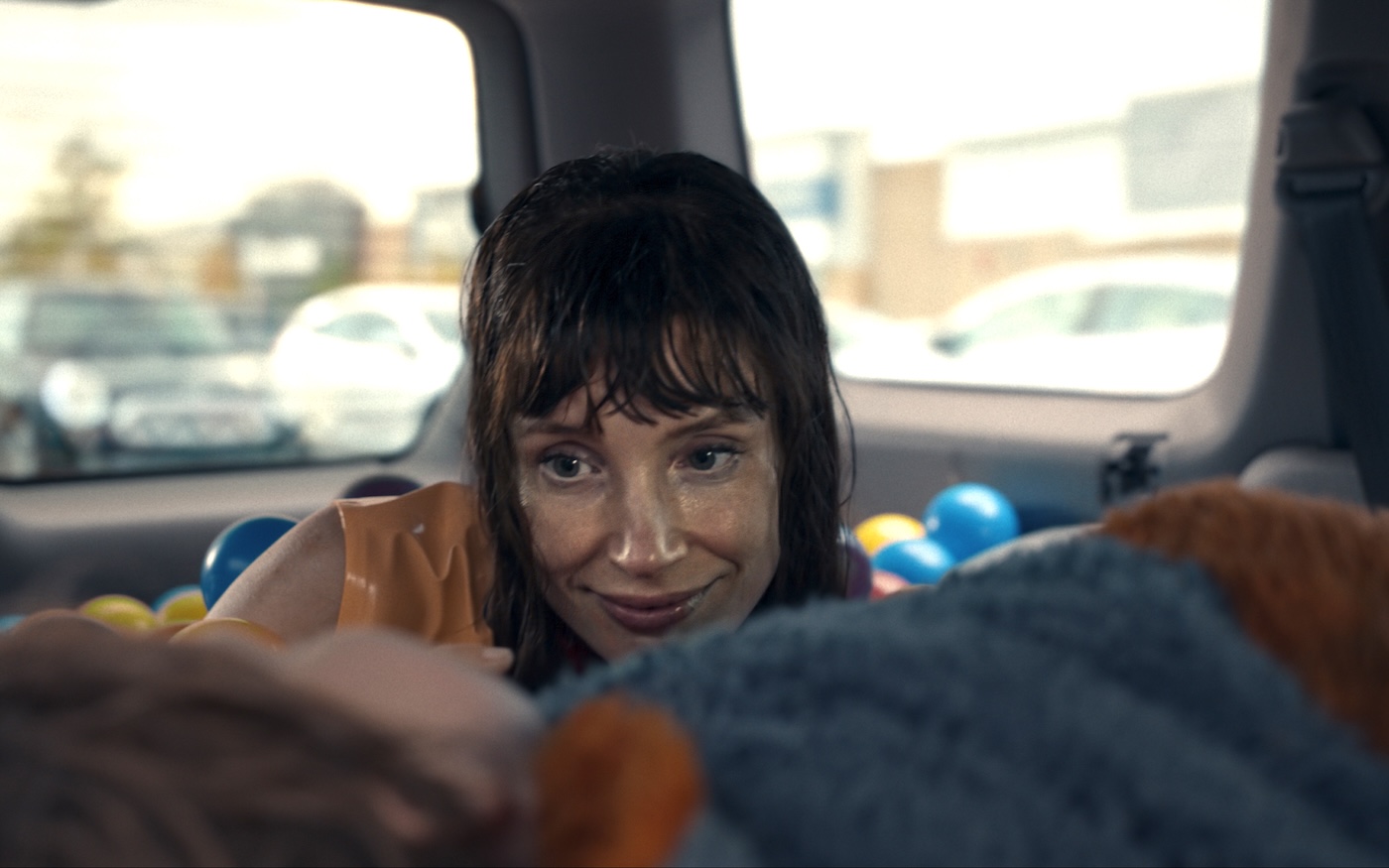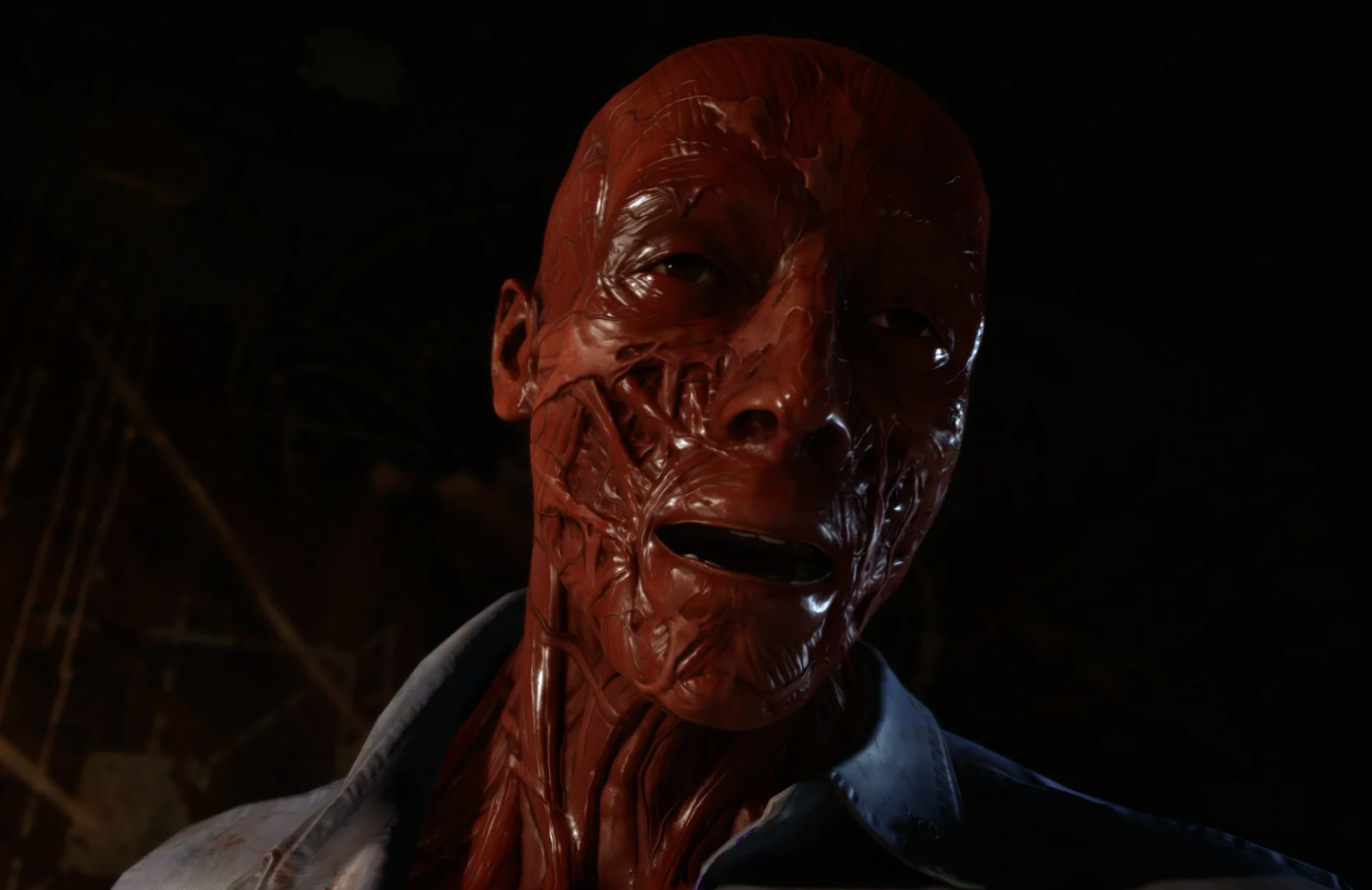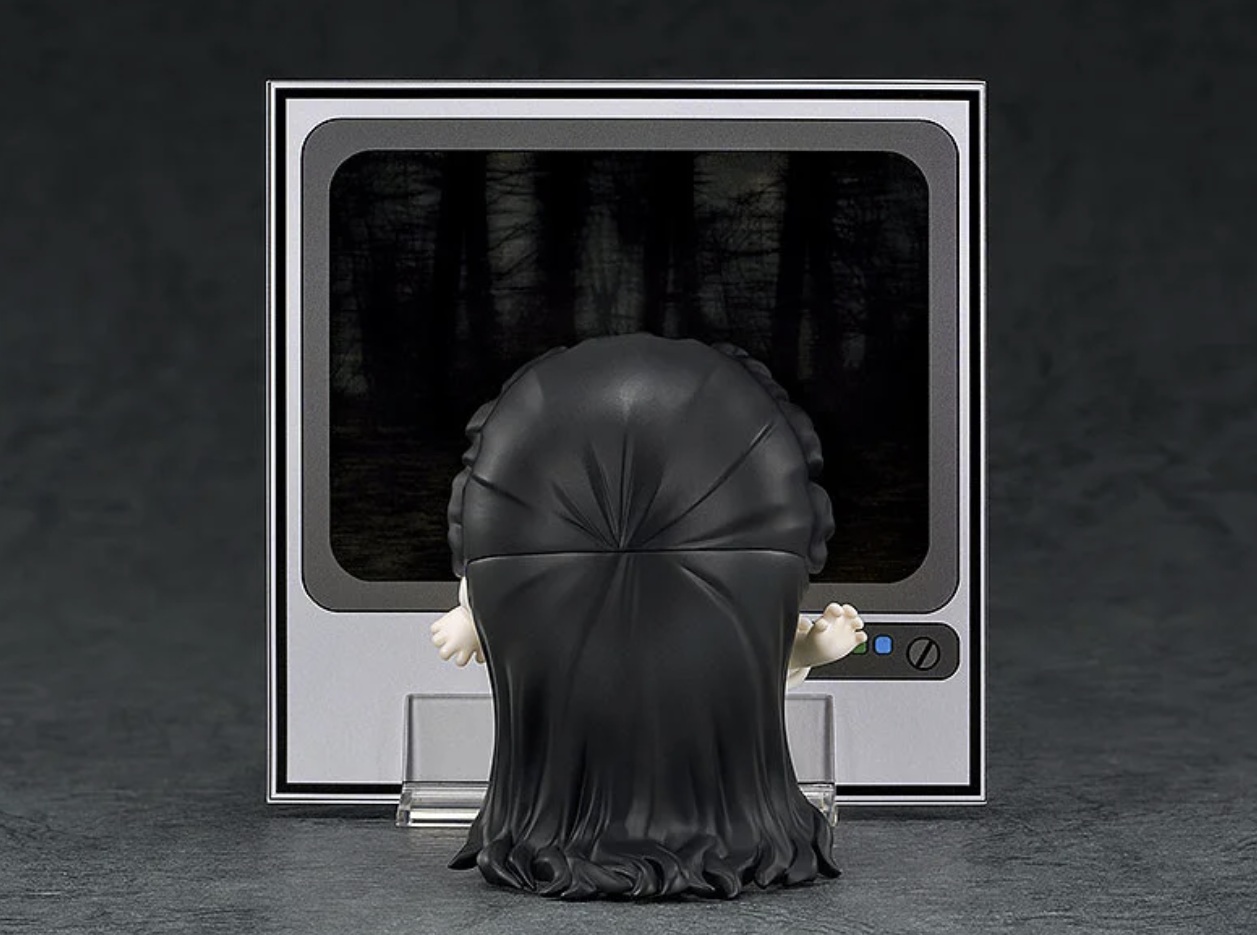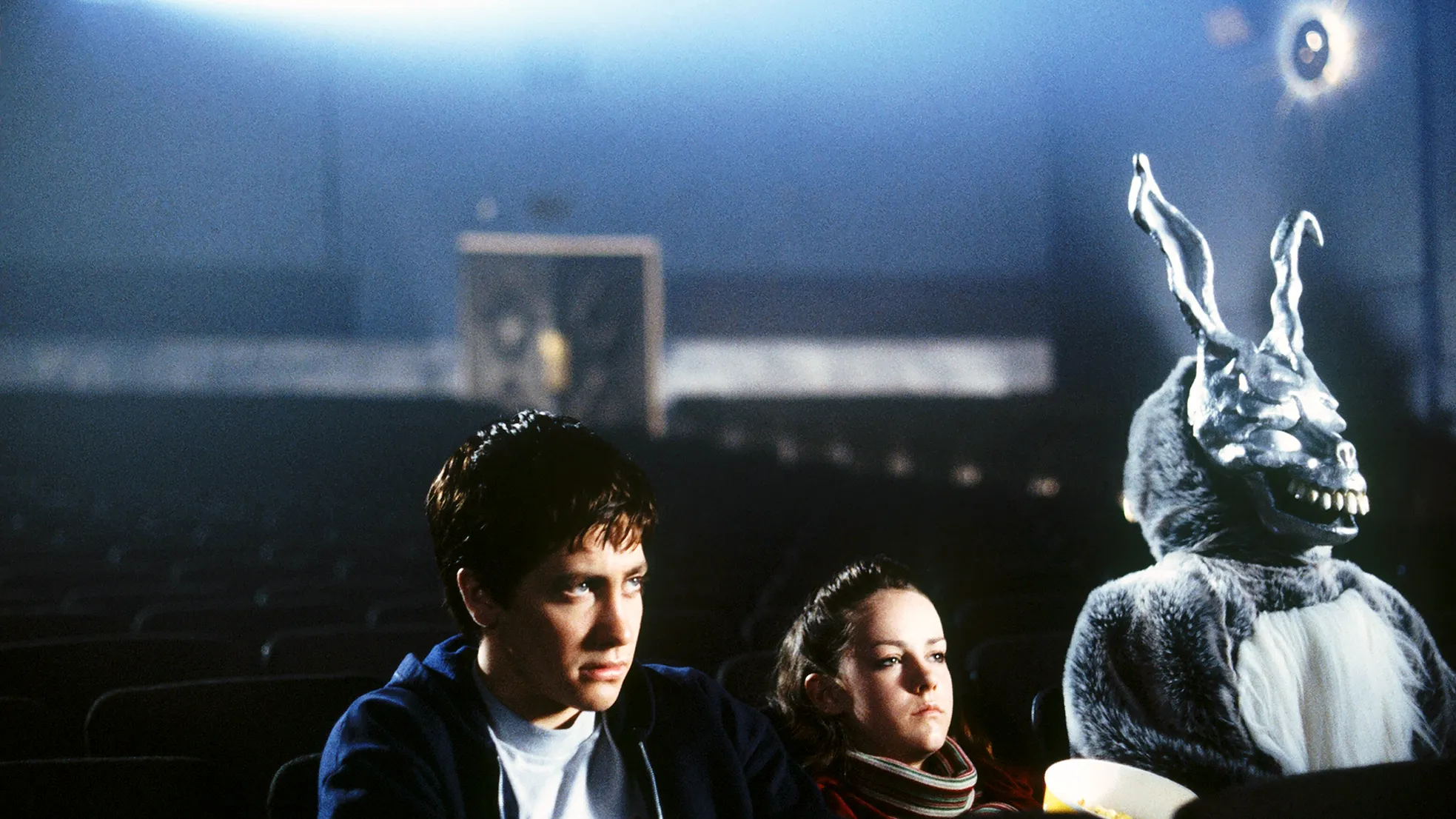

A festival and viral sensation last year, writer/director Kyle Edward Ball’s SKINAMARINK drew more shivers out of theatrical audiences during its limited release last month, and is now set to keep even more people up at night as it debuts on Shudder today. RUE MORGUE got some words from Ball about the creation of this uniquely chilling viewing experience.
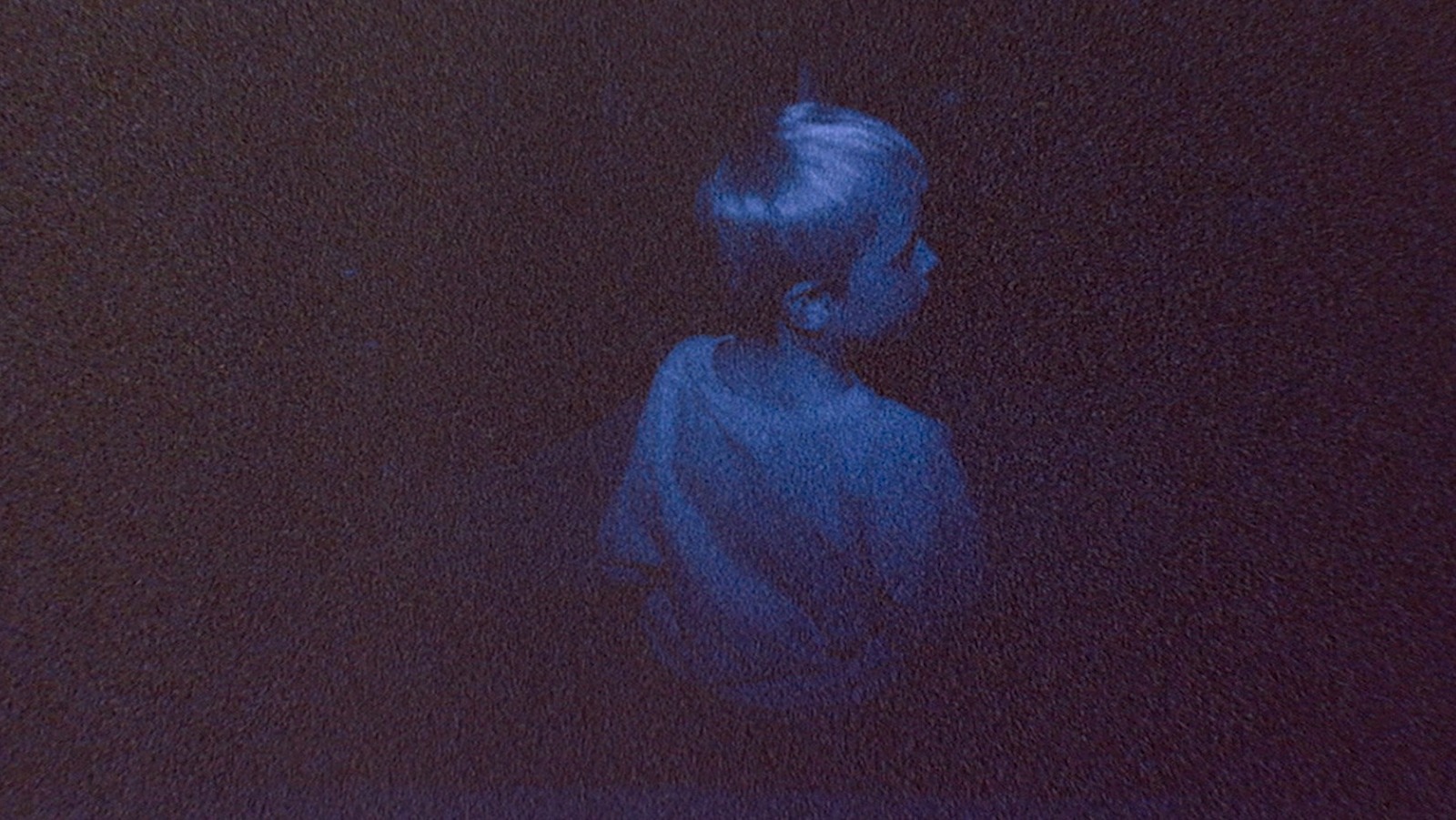
SKINAMARINK is an abstract, experimental film in which two little kids, Kevin (Lucas Paul) and Kaylee (Dali Rose Tetreault), find themselves alone in their darkened house–or maybe not entirely alone, as an unseen presence begins speaking to them. As the house itself seems to start changing, Ball uses careful composition and framing, in which the children barely ever actually appear, to suggest all kinds of frightening things happening just beyond our perception. SKINAMARINK (reviewed here) truly feels like a nightmare captured on screen, and Ball says that bad dreams were a key source point for the movie…
What inspired SKINAMARINK, and the suggestive approach you brought to it?
There were lots of things that inspired this movie, some of which I can’t get into. One major inspiration was comments on my YouTube channel Bitesizednightmares. People kept commenting on iterations and variations of the same dream, which always went more or less like this: “I’m a little kid, my parents are missing and there’s a monster.”
Did you tap into your own childhood experiences or terrors for the film, and where did you shoot it?
Yes, but a lot of that was unintentional. Basically, I just wrote a script that I knew would be set in my childhood home, with characters based on me and my sister. Once I had that in mind, it was easy to write and draw from my childhood without even having to think about it. The movie was shot in that house, and the shoot went off without a hitch and was pretty chill for the most part–no problems outside of the usual things that microbudget films have, i.e. budget, time, casting.
How did you select your young leads, and work with them to get the material you needed?
Lucas as Kevin was an easy cast, because I had already chosen his real-life father Ross to play the dad in the movie. Dali, who plays Kaylee, is my close friend’s daughter, and already has an interest in horror movies at such a young age. Working with both of them was surprisingly easy. I just explained the plot in very broad, kid-friendly terms, and then gave them very simple directions for the camera, like, “Walk to the end of this hallway and walk back.” Then when it came to recording the dialogue, which was all done as ADR, I just read the lines to the kids and had them read them back based on directions. We recorded with my friend Josh’s audio equipment set up in the living room, and it was actually pretty easy. Lucas and Dali were both really good sports.
Some of the dialogue in SKINAMARINK is subtitled, and some is not; what went into the decision of which lines to subtitle?
There were a couple of things. Firstly, I wanted to have scenes where we hear people talking but can’t quite hear what they’re saying, but can still understand them–like when you see subtitles in a true-crime documentary or something. Secondly, I figured when working with kids, they might mush up or misspeak their lines, so subtitles would come in handy.
How tightly scripted was the movie, and how much did you invent or depart from the script during editing?
The script was fairly tight, and followed closely through shooting and editing. There were a handful of scenes and shots that were removed or altered, but for the most part, the footage we had was pretty efficient. I would be surprised if we even had 10 or 15 minutes of footage, excluding retakes and alternate takes, that was not used for the final product.
Do you know everything that’s going on in SKINAMARINK, or did you leave it a mystery even to yourself?
A lot of it is a mystery to me. There are a few scenes where I just had a vague idea of how we get from point A to point B, and started writing without understanding what was even happening. It felt like I was channeling something. It was a pretty dark time in my life too.
How was the experience of premiering SKINAMARINK at the Fantasia International Film Festival?
It was incredible. That’s the only theatrical screening I’ve been to. I watched the audience the whole time, and it was amazing; they were glued to the screen. Then when the movie ended, there was an uncomfortable silence followed by some enthusiastic but exhausted clapping. It felt like the audience had been put through the wringer.
When did you first learn that SKINAMARINK had become an on-line sensation?
Less than a week after the leak, so around Halloween. It was a very mixed bag of emotions at the time. Now, I guess we can safely say, in this specific circumstance, it paid off.
Are you surprised this non-traditional movie has touched so many nerves, and how do you feel about the polarized audience reactions to it?
I had always hoped people would respond to it, but I always couched my expectations in reality. So yes, I am surprised. I kind of thought the movie might get a polarized response, and it’s been a mixed bag dealing with that. I am incredibly overwhelmed and grateful for the positive responses, but I would be lying if I said the negative responses didn’t hurt a little. I know a lot of other indie filmmakers who seem to be completely unfazed by negative reactions. I wish I was like that. I have a pretty thin skin, to be honest. Not so much when it comes to negative reviews from professional critics; that’s their job, and they usually give their reasons without making it personal. Some of the DM’s people have sent me are a different story.
Do you plan to make more traditional films in the future, or do you want to stay with the experimental approach?
I still want to keep doing somewhat low-budget weirdo horror movies. They might be more traditional, or might even be more experimental than SKINAMARINK. I really don’t know at this point.
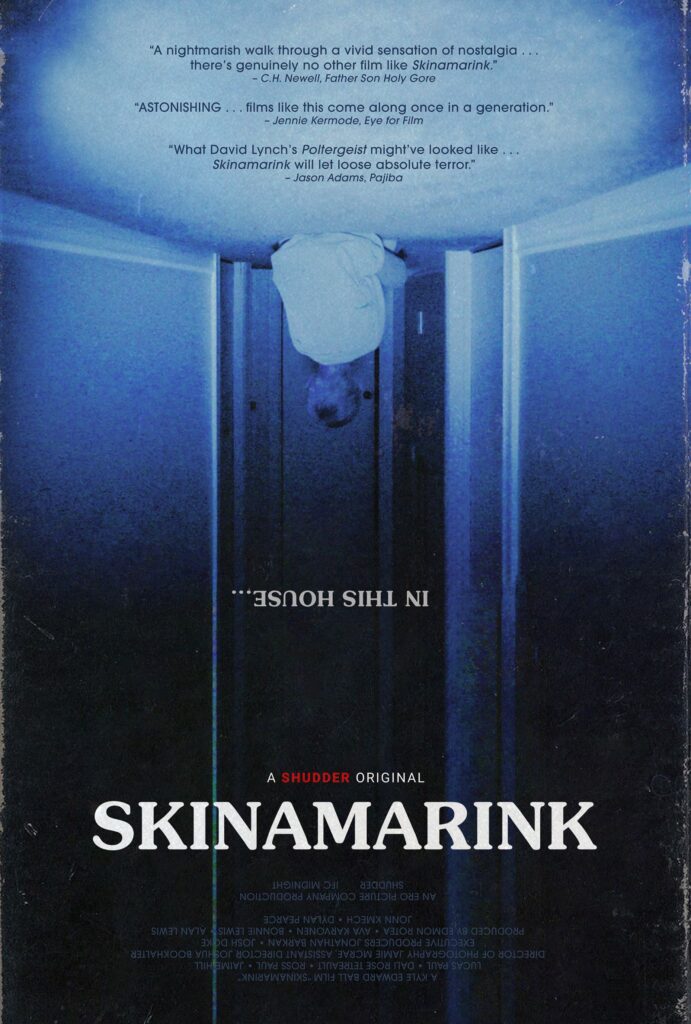
SKINAMARINK is available to stream on Shudder as of February 2, 2023.