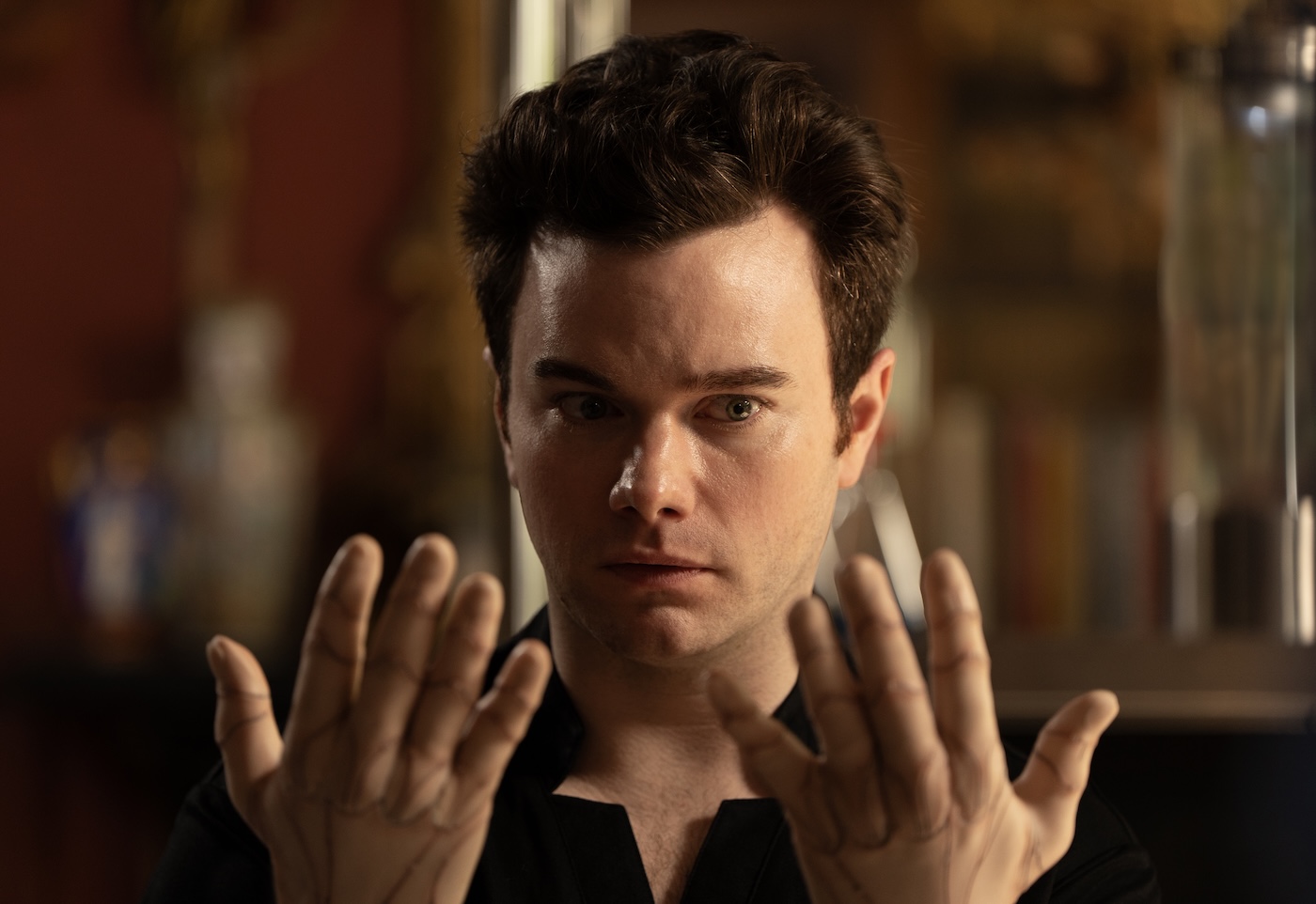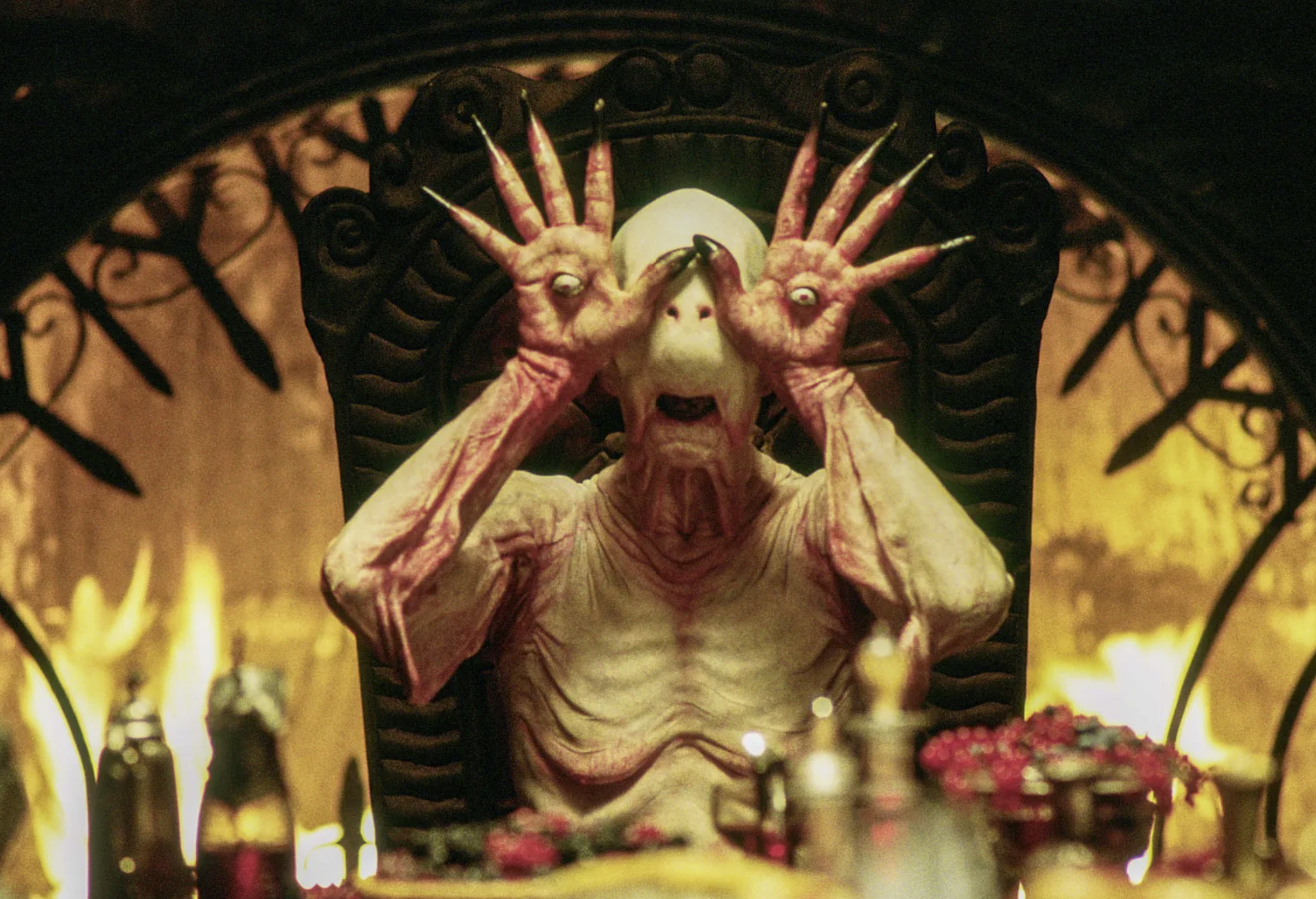

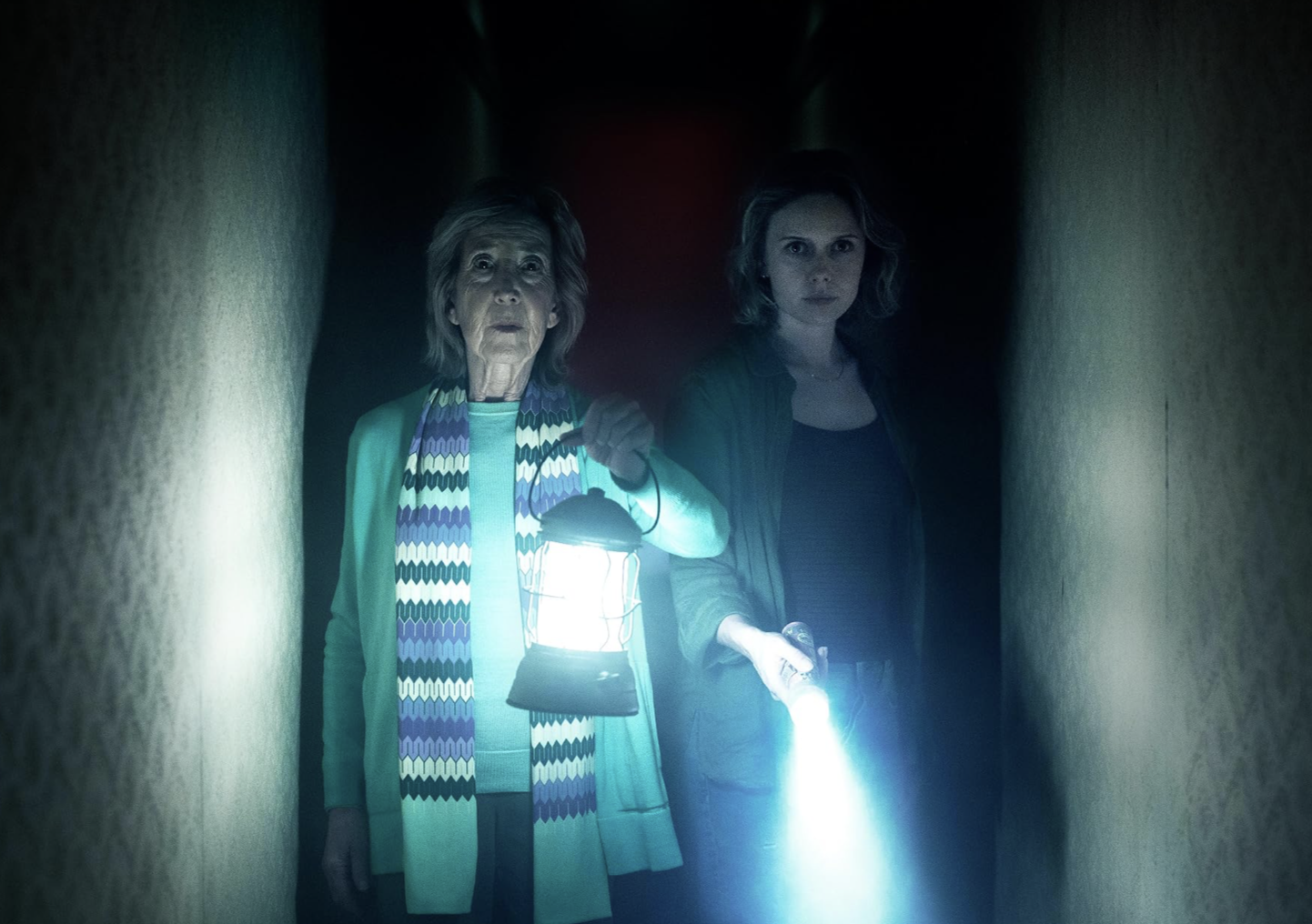
James Wan’s films are often described as haunted house movies, and it has nothing to do with the ghosts inside of them—the director has a distinctive style that often replicates the atmosphere of a haunted attraction for viewers. Similarly, Jacob Chase, director of the new installment Insidious: Out of the Further, spent a decade designing haunted houses in his mom’s front yard.
“I learned how to scare people making those haunted houses,” explains Chase in an interview with RUE MORGUE. “What I love about the INSIDIOUS franchise is they are haunted house movies, but not just because they take place in a house. They feel like you’re going on an adventure with the filmmaker … I really wanted it to feel like I’m taking the audience by the hand and guiding you through a new haunted attraction that I created.”
Leigh Whannell wrote the original screenplay for INSIDIOUS (2009) in an effort to subvert the haunted house subgenre. “When we were working together, we always wanted to move things to the left a little bit,” Whannell recalls. “You want to give people something that they’re excited to see. Maybe they think they know what it is, and then you just pivot and you show them something they didn’t expect.”
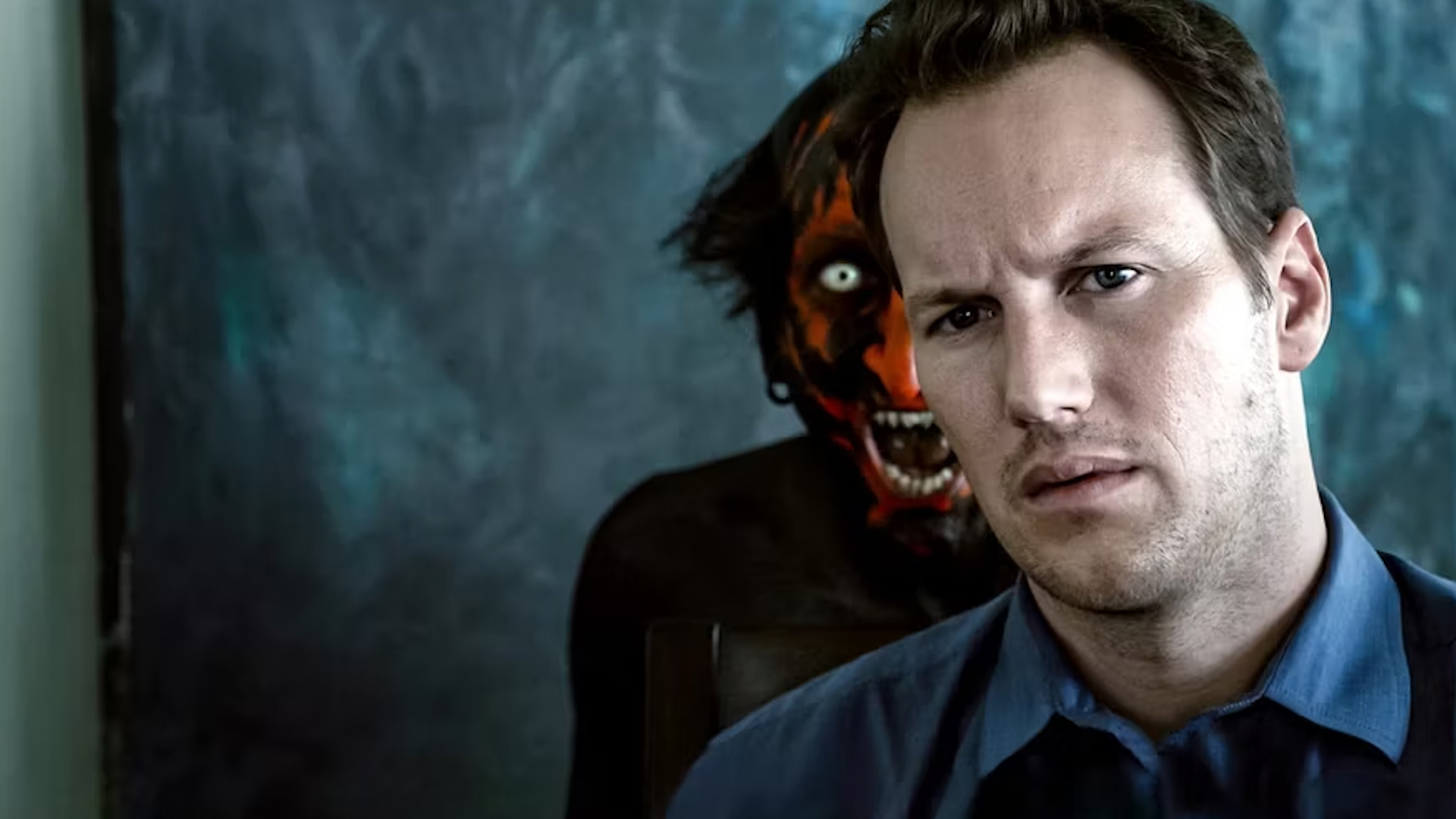
The INSIDIOUS franchise introduced audiences to “The Further,” a place beyond this world that can only be accessed by an unlucky few who are able to leave their physical bodies behind. For Whannell, astral projection became their way into a different kind of haunted house story.
“The idea that your soul or your astral body can leave your physical body and float off, that became our entry point. The Further came off the back of that idea. That’s always something I’ve been fascinated with. I see that theme recurring through a lot of my scripts, this idea that there is another layer to the world that we’re in that we cannot see.”
In 2004, James Wan and Leigh Whannell made their first feature collaboration with one another with SAW. In the years that followed, a handful of filmmakers found themselves behind the camera of a SAW movie. And much like SAW, Wan and Whannell eventually began moving on to other projects, and INSIDIOUS was handed off to other filmmakers to expand the world of The Further. That earlier experience seeing SAW become a franchise informed how Whannell approached letting go of INSIDIOUS.
“I saw how intellectual property can be mutated, mutilated and bastardized if it’s not being shepherded by the right people,” he says. “Because of that, I was a little more protective of INSIDIOUS. I wanted to make sure that I was still involved somehow. In that sense, I do stay much more involved with INSIDIOUS than I did with the SAW sequels.”
For Wan, however, protecting something he created does not necessarily mean continuing to direct it himself. He likens his role to establishing the foundation of something that others can continue building upon. “I feel like I’m the director of a pilot TV series. I help set the world, set the characters, the story and the tone, and then I pass it on,” Wan says. “I myself don’t want to keep directing these movies because I feel like I’m going to run out of ideas with them, and someone like Jacob could come into the latest installment with fresher ideas than I would.”
When Jacob Chase was approached with a new installment of INSIDIOUS, he asked himself a question: “I wanted to think about myself sitting in the movie theater, having not directed it. What would I have wanted to see in the next INSIDIOUS movie? And then I actually just got to do that.” The filmmaker says that he went to each previous entry in the franchise on opening night and that he intimately knew all of the characters, the demons and the backstory.
“I honestly didn’t feel very many guardrails on this. Of course, it was a little daunting coming into it and thinking, ‘Okay, how am I going to live up to these other movies that are so beloved?’ I had the blessing of both James and Leigh Whannell, and Jason Blum, to be pretty free with it and make a movie that felt true to me, that was sort of my heart on screen, my kinds of scares.”
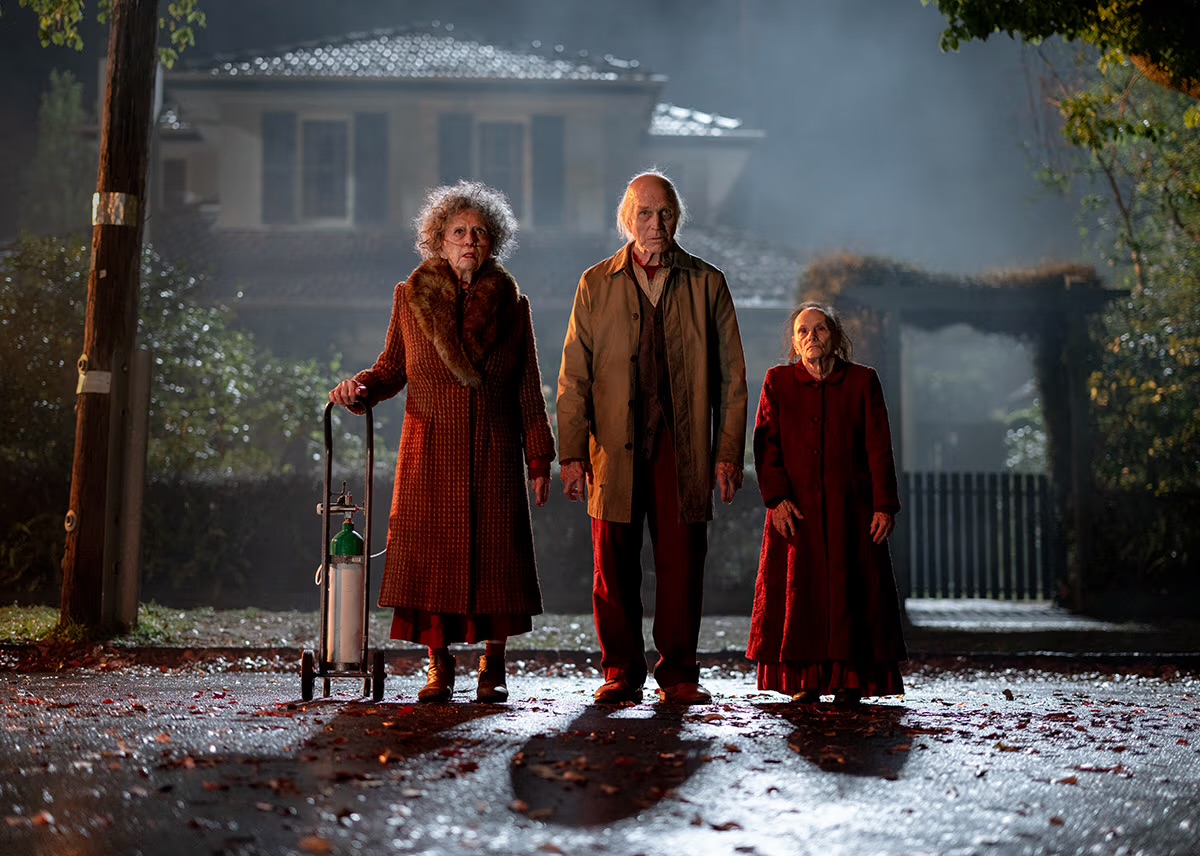
The three filmmakers share a love of practical effects. Ingenuity is a key part of the franchise that has spanned sixteen years. Looking back at the first film, Wan recalls one scare that was accomplished entirely in-camera.
“One of my favorite scare sequences from the first INSIDIOUS is Rose Byrne waking up in the middle of the night and looking out her window and seeing a man pacing outside, and then, in the same shot without cutting, he’s now pacing inside the room. One way to do that today would be you shoot two plates and then you merge them together. But on that movie, I just did it all in camera. I had a double of the entity walking outside, and when he walked out of shot behind the window, inside the room the real actor entity enters the frame. It was all just sort of old-fashioned filmmaking.”
Jacob Chase has carried that torch with the newest installment. For him, having something physical on set is part of determining whether a scare is actually working. “I love to do things practically. I’m a really big fan of actually getting the monsters on set and scaring us,” Chase says.
For one gag in the movie, the production brought in a very photorealistic puppet that had a tongue that could move and cheeks that could breathe. Chase sees the reactions happening behind the camera as something of a test audience — “If it can scare us at the monitor on set, you’ve got something, because it’s going to scare people in the cinema.”
Though the franchise has been lovingly handed over to Jacob Chase, much like the entities within The Further, the two who created it are not gone. “This was the first time that my name has been on a film as a producer where I was really involved in the day-to-day and really there for Jacob, at least I hope I was,” says Whannell.
Still, Chase brought an entirely fresh perspective to INSIDIOUS. “I got to create new demons. I got to create a new character. I got to create new emotion and new scares. So, I don’t know, it felt the same. It was an original movie. It didn’t feel that different from my original stuff that I’ve made, which I feel very grateful for.”
A haunted house only works when those who walk through it don’t know what is coming at them next. Leigh Whannell imagined the world hiding on top of our own, James Wan built the original corridors and sixteen
years later, they fully trusted the person they enlisted to turn off the lights.