
By ANDERS LJUNG
Starring Golshifteh Farahani, Tahar Rahim and Mélissa Boros
Written and directed by Julia Ducournau
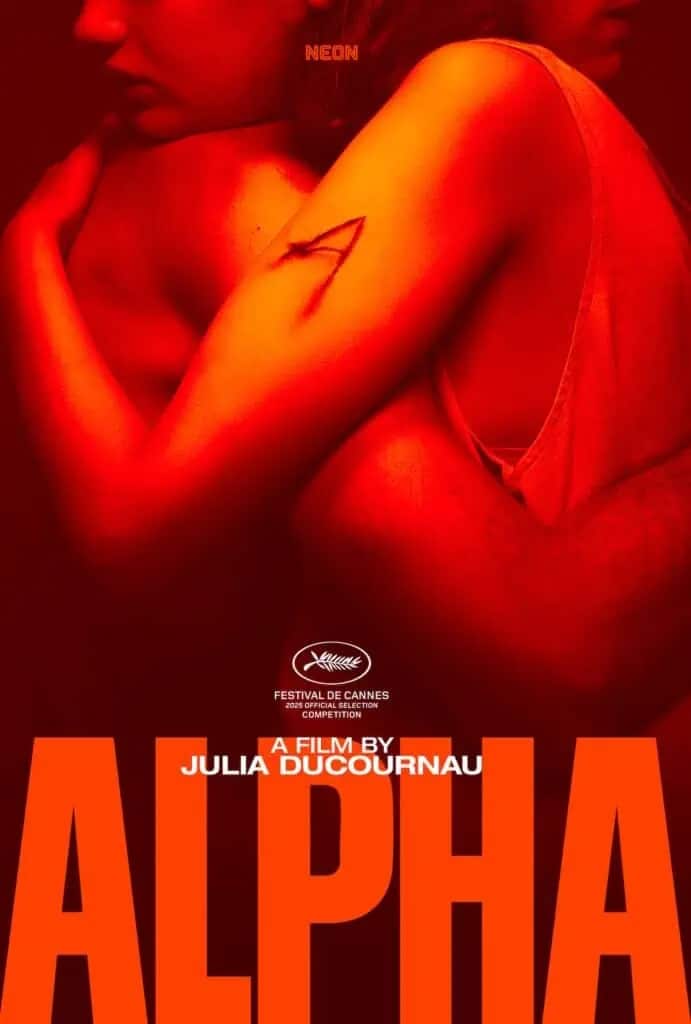
NEON
It’s about an hour and a half when the couple in front of me decides they can’t take any more of Julia Ducournau’s latest feature, ALPHA. The boyfriend takes his popcorn and jogs to the stairs, watching his girlfriend attempt (and fail) to step over other moviegoers with her eyes closed. They finally make it to the exit, where they share a hug before finally bailing. I’ve never been happier to be in Los Angeles.
I first saw the announcement that ALPHA would screen in LA just a few days before the event. I continued doomscrolling. Another person had been killed by ICE. More Epstein files had been released. It was just another day in America. I decided to snag tickets to the early screening at the Century City AMC. Luck was on my side that afternoon.
A few days later, I was driving towards Santa Monica to pick up my friend. I decided to keep him in the dark, only telling him we were seeing a horror movie. We arrived at the theater and took some seats in the back. I wasn’t too sure what I was getting into.
I had seen reviews of ALPHA following its premiere at Cannes last May. Regulars on Letterboxd called it Ducournau’s weakest effort yet; others gave it five stars. There is no middle ground with this movie. You’ll love it, or you’ll hate it. Perfect.
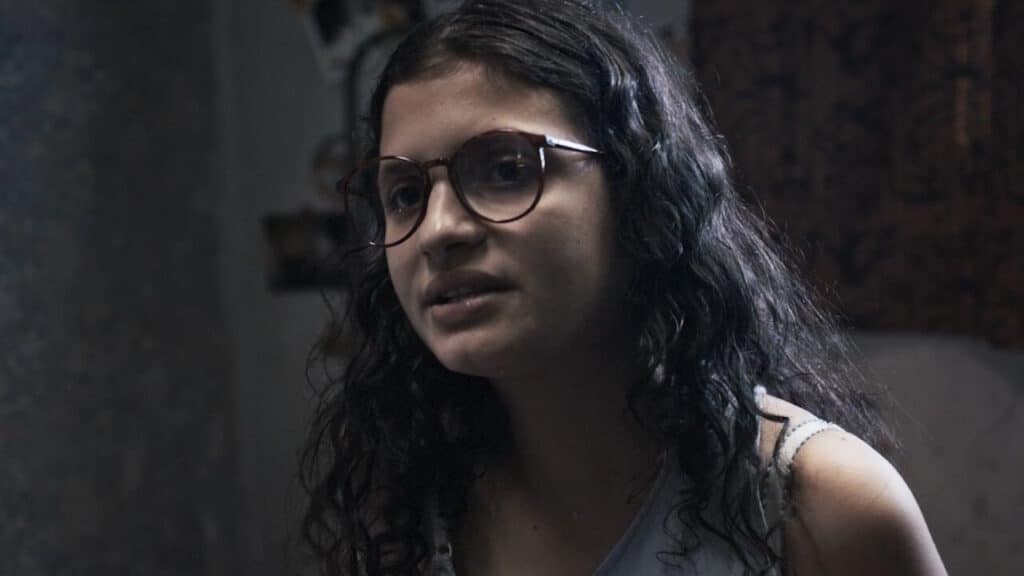
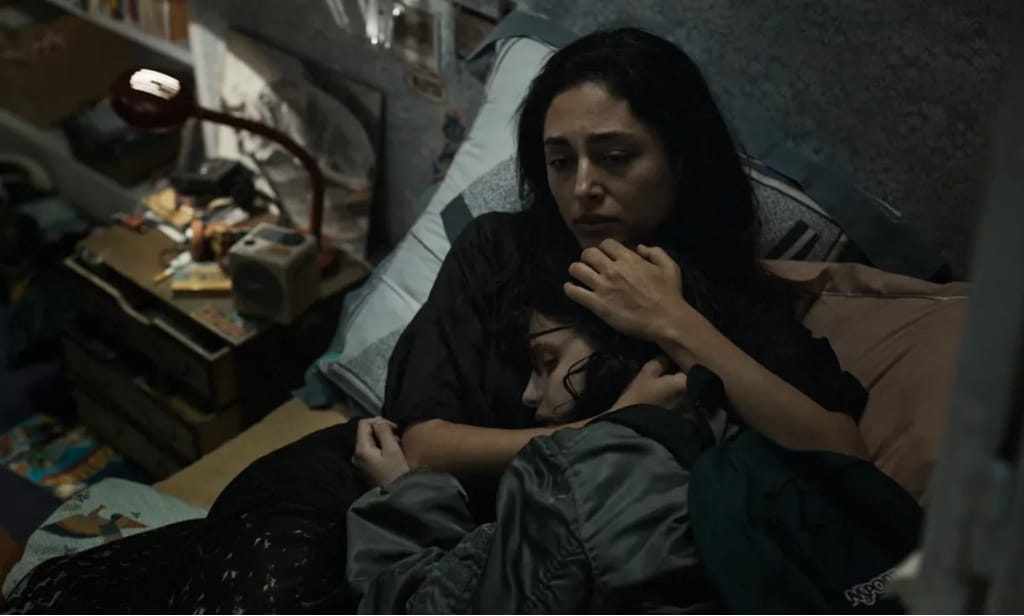
The film tells the story of 13-year-old Alpha (Mélissa Boros), her mother (Golshifteh Farahani) and her junkie uncle, Amin (Tahar Rahim), showcasing the aftermath of the teenager’s split decision to get a tattoo at a trashy house party.
The tattoo, etched in Alpha’s skin with an unsanitary needle, creates a domino effect. Alpha is thrust into a world of propaganda, bullying, and trauma. From scrutiny at school to returning home and to the tension between her mother and uncle, she is crushed in every daily interaction.
Alpha and Amin parallel each other’s experiences at times, yet they are still separated by the huge difference in the choices they have made. Alpha reflects the isolation of youth, and her “mysterious disease” destroys any sense of social stability in her life. Amin, grounded in his addiction, takes any path he can to get to his next fix. Through family meals, nights out and even flashbacks, we see an unbreakable cycle of heroin abuse destroying his sanity and health.

Just as Ducournau establishes this plausible story of a family in crisis, she surprises the audience with the revelation that in the recent past, an unknown disease ravaged the French population. Bodies with the appearance of pristine porcelain piled up in hospitals. In a brief flashback, we see that Amin was among those victims. He is shown strapped to a hospital bed, his skin resembling marble.
A metaphor for familial trauma during the AIDs epidemic, the mysterious disease inflicts that same fear on Alpha’s family as mother and daughter face social isolation, declining health and the unbreakable fear of eternal shame. The present-day Amin carries the weight of a lifetime of what could have been for the young man – if the world had not been so scared to save him. In all of Alpha’s pain from one fatal mistake, her mother can only see the cycle repeating itself as another generation forces an entire population into its eventual fate without a single helping hand.

Ducournau joins us as the houselights finally bring us out of this nightmare. During the discussion, she shares her fears about our present day: the lack of empathy, the risk of repeating dangerous patterns and the fear of losing those we love if our governing bodies fail to protect us. She also reveals her personal history, rooted in a queer experience and witnessing loved ones face national hostility as they fought for their lives.
Ducournau has garnered a dedicated cult following, which, in itself, has become both a blessing and a curse. It’s frustrating to see Ducournau unable to shake the expectations set by Titane and Raw. Though she’s stretched her filmmaking skills beyond genre with ALPHA, it’s disheartening to see critiques rooted in “what could have been” rather than based on the film’s actual merits.
Still, with this effort, there are obvious stakes, most notably Ducournau’s unapologetic commitment to her voice. It’s rare for a filmmaker to be so fully in touch with their own style so early in their career. Every frame of ALPHA is unapologetically hers.
ALPHA is a feature that the world didn’t expect from Ducournau, but what purpose does an artist serve if they are not allowed to grow and enact change in this very moment? Horror fans should hail Ducournau for her previous work and celebrate her blossoming into her potential. ALPHA is nothing short of an allegory for the devastation we are living through and another reason to remember to keep fighting for what we love.
ALPHA opens in U.S.theaters on March 27.