BY CHRISTOPHER HEARD
With files from SEAN PLUMMER
With the Marché du Film open for business in Cannes this week, no corner of the market is running hotter than horror — and the numbers back it up. This past March, Ryan Coogler’s Sinners won four Academy Awards while Zac Cregger’s Weapons took Best Supporting Actress — the genre’s biggest Academy night since The Silence of the Lambs. No other genre is more resilient and cyclical: scary movies surge, briefly recede, and reinvent themselves, over and over again.
Included in that reinvention are the means for getting them made. So, what is needed to get a horror movie both made and seen in 2026, especially in a radically evolving production landscape where completing your budget and getting your film noticed is both easier and harder than ever? Streaming certainly helps, with specialty channels like Shudder and Screambox having opened up opportunities that previous generations of horror filmmakers would have (at least metaphorically) spilled blood for. And YouTube has become a breeding ground for new horror filmmakers to get their work noticed by Hollywood producers (see our companion feature, “Streaming & Screaming,” elsewhere in this report).
But does this expanded playing field change the horror filmmaking process in any significant way? Producer Jarrett Furst of First Class Productions, who partners with producer/actor Katisha Shaw and Justin Kelly of Spaceman Films in production and distribution, isn’t convinced. “Streamers don’t automatically make it easier to get your film made,” he says. “It just means there are that many more doors to knock on.”
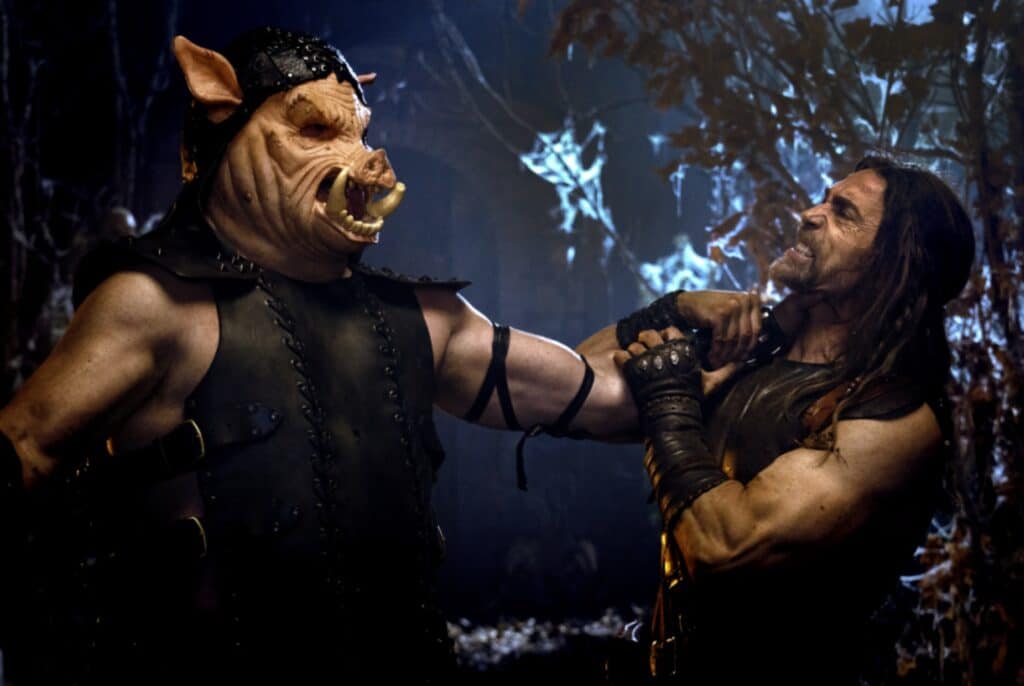
But there are ways for producers to hedge their bets—such as working with intellectual property (IP). Take the case of Michael Paszt of Toronto’s Raven Banner Entertainment. As a producer of dozens of horror and related genre films, including V/H/S/94 and Psycho Goreman, he was pleasantly surprised when he found out that Shout! Studios, which owned Roger Corman’s IP, was willing to let him option the late producer’s 1980s sword & sorcery Deathstalker franchise. “I knew it was a niche audience,” he says of the Deathstalker fandom. “But I think that’s the one thing about genre fans—they are rabid.”
Paszt says that his team’s approach to remaking Deathstalker was to modernize the property while paying homage to the original. “I think you’re seeing that with a lot of cool movies. Like In a Violent Nature I think is really a great take on that [slasher concept]. You’ve got the old Friday the 13th type of gimmick, and then you see how they brought it forward to today’s audience. It translates really well and is pretty cool to see.”
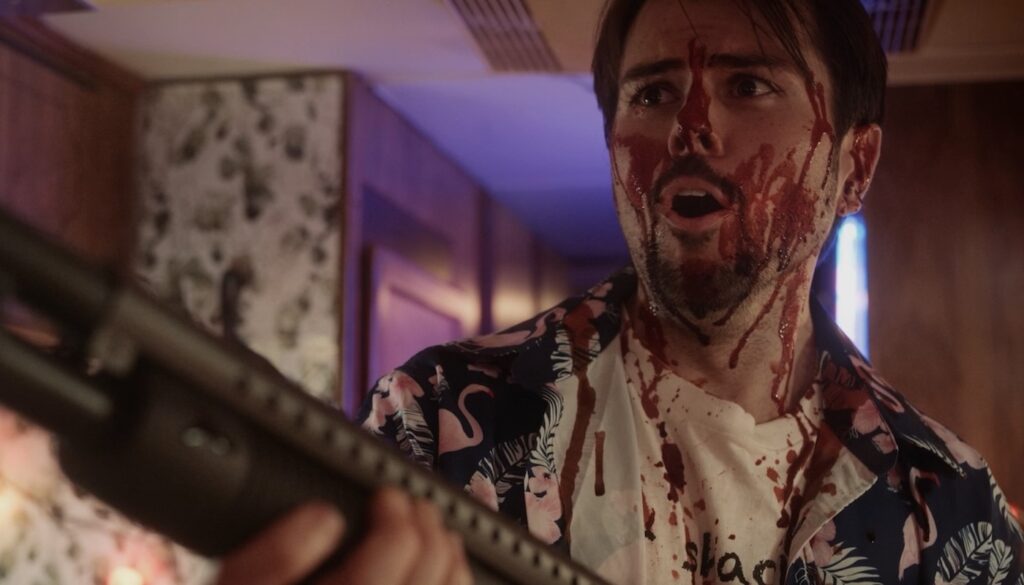
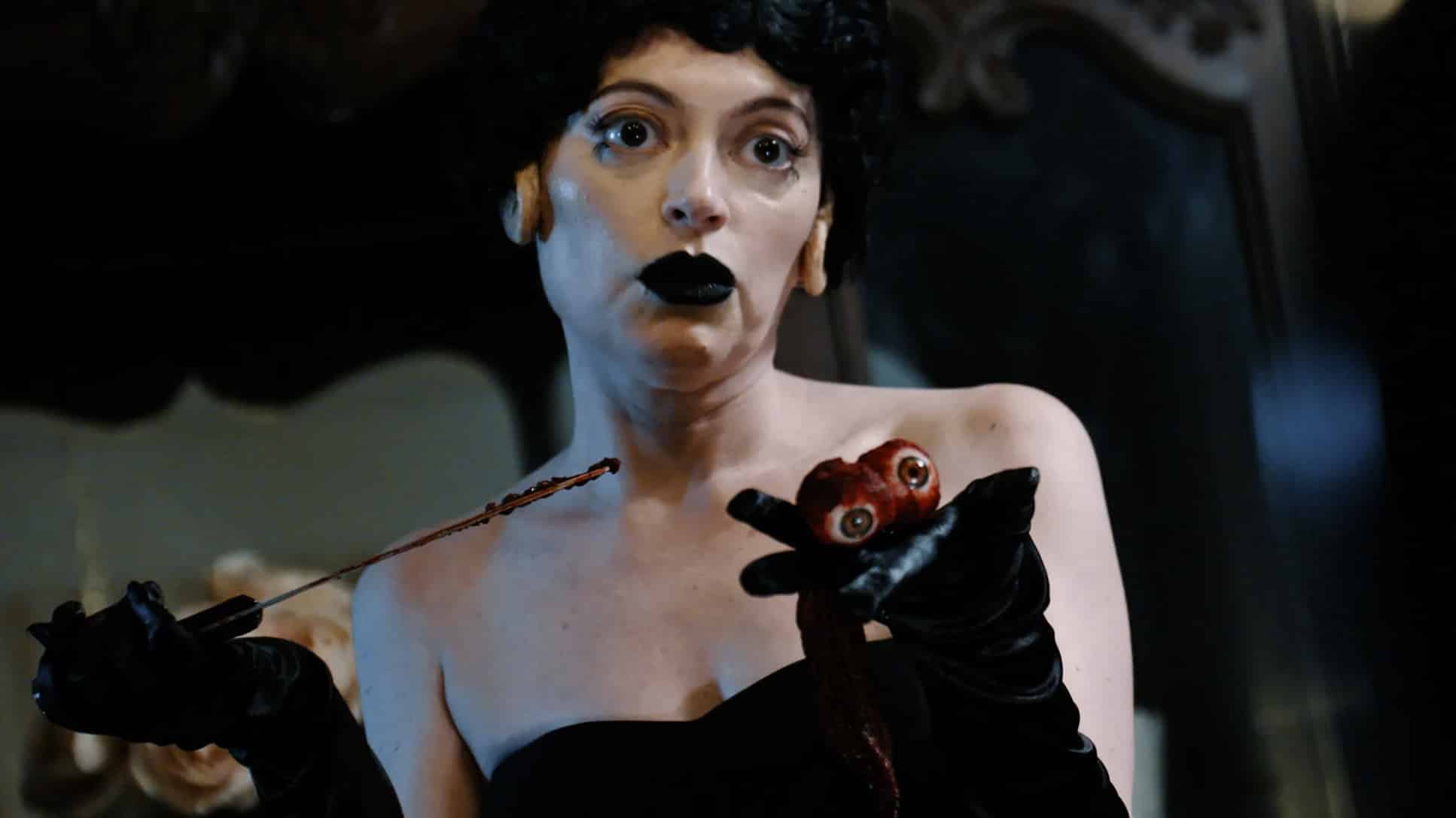
“Recognizable IP gives the audience a touchstone,” adds Furst, whose team recently completed filming on Boop, a horror film inspired by a certain classic (but trademarked) cartoon character. “It is much easier to sell a project that people already have a connection to.” Let’s hope so, as Furst and his team will be representing Boop in the market at Cannes this year.
The same seems less true of casting. Whereas high-budget Hollywood films often get financed and marketed based on the bankability of the star attached to the project, indie horror productions often get made based more on the bankability of their concept. Says Canadian director Jen Soska (American Mary): “With films under ten million dollars, to hire a name star will not leave you with much money to actually make the film.”
Twin filmmakers Sylvia and Jen Soska—a.k.a. the Soska Sisters—have written, directed, and acted in twenty plus films, including their remake of David Cronenberg’s Rabid (RM #186) but still find it difficult getting attention for their projects. Says Sylvia: “It’s crazy right now that you can have a recognizable star and a great film but without branding or proper marketing, no one will ever know. You want to try to be original while knowing that a lot of studios/producers are looking to make safe choices.
While stars attract attention, the horror genre is unique in that sometimes the name that gets a project greenlit is a writer, director, special effects person, or, says Paszt, a concept. “When it comes time for us to package a movie, to get a movie out there, how it works is that we look at the script, we work on rewrites, we develop it with the writer, bring on a director, and then we put together a pitch deck,” he says. “And then we take that and we do the rounds. And then we show it to the various companies. And then we look for pre-sales and go to various funding agencies. It’s really about the concept and the overall packaging.”
So, in this high-intensity, ultra-competitive horror film landscape, how do you get from a pitch to getting your budget? Says Canadian producer/writer Tony Burgess (Pontypool, Passenger Jet): “That’s the basic simple problem in filmmaking: how do you get someone to hand over your budget to you? And that challenge is the same if you are asking for $5 million or $50,000. You just have to be open to anything, from anywhere.”
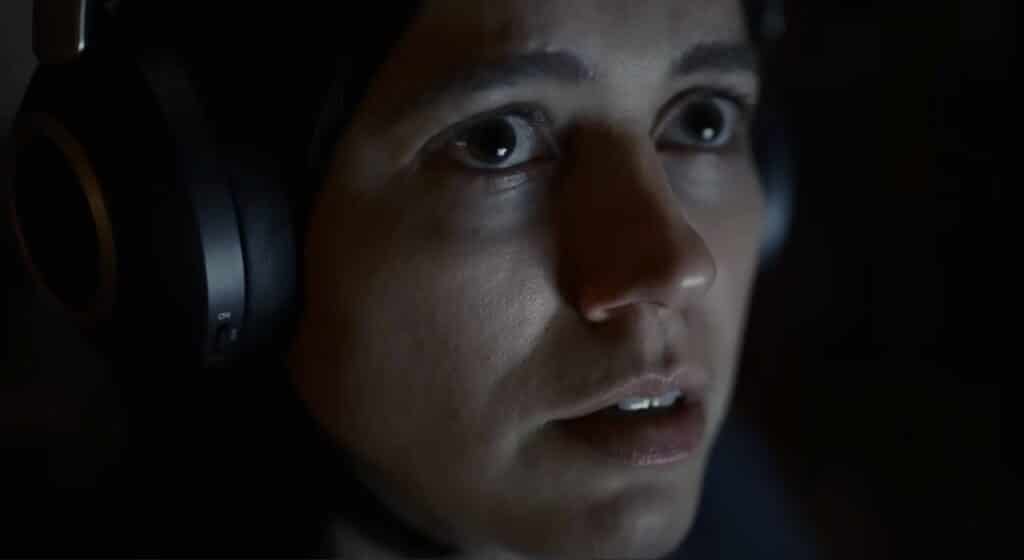
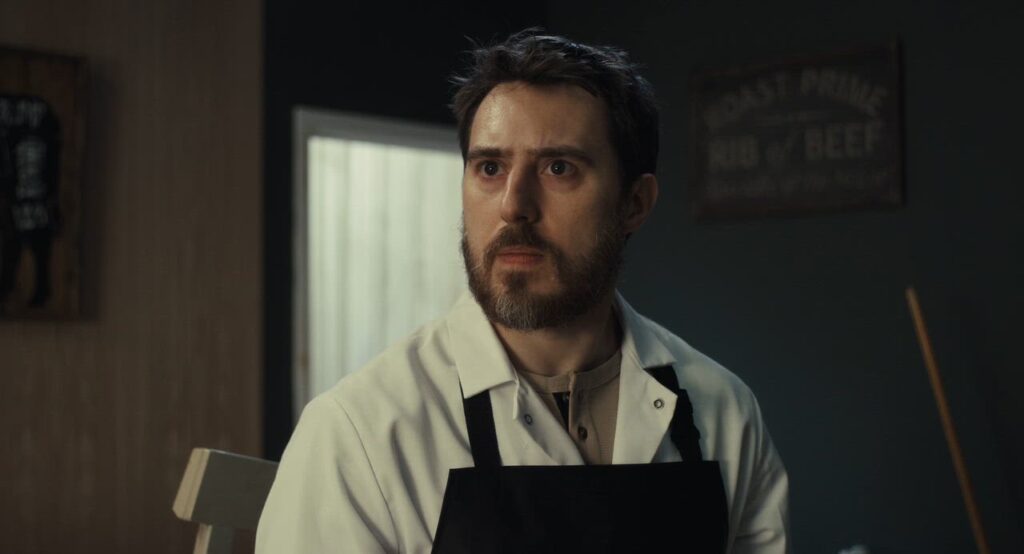
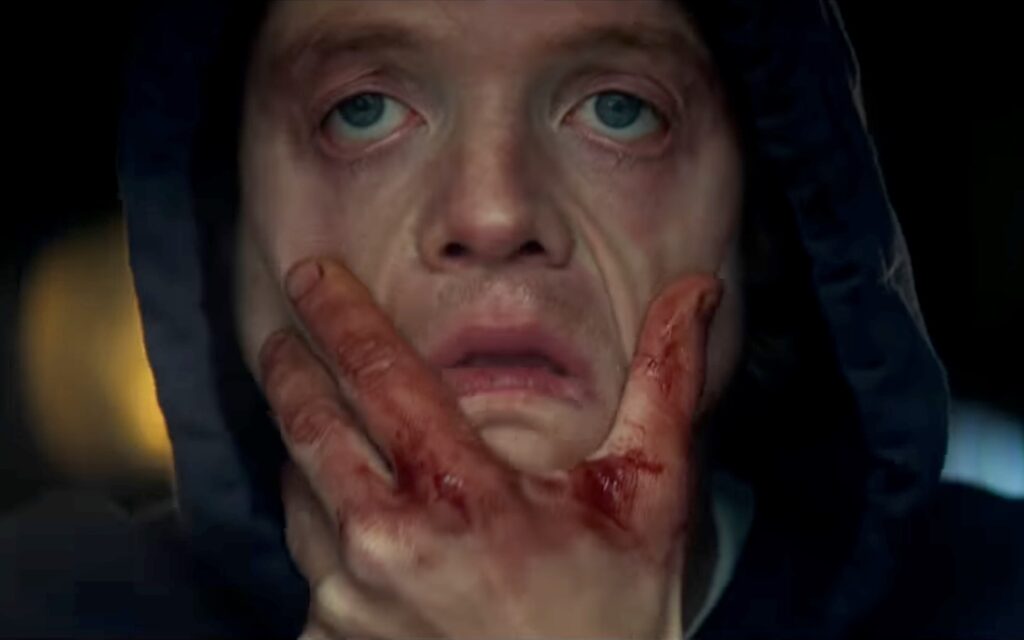
For the hit Canadian horror film Undertone (RM #229), which recently earned nearly 19 times its US$500,000 budget on its opening weekend this past March, it was the strength of the script that sold the mix of private investors and studios on funding it.
Says Canadian producer Chad Archibald of Black Fawn Films: “I had been meeting with some investors, including a great team looking to invest in genre films. Black Fawn Films has a fantastic track record for ROI, and we had a project we were putting together that they planned to come and help finance. After I read Undertone, I called them and said, ‘Forget the other film. This is the one’. It was less of an investment, and there was something special about the script and the writer/director Ian Tuason. Kino Studio came on board to close our gap and we went into production. The balance of the budget was previously raised through a few private equity partners.” Undertone was bought by A24 following its July 2025 screening at Montreal’s Fantasia Film Festival and screened at Sundance this past January.
Deathstalker producer Michael Paszt’s team took the alternate route of raising money via Kickstarter and approaching established Canadian cultural funding organizations. That included the Northern Ontario Heritage Fund Corporation, whose funding was granted on the condition that the film was shot in the Northen Ontario mining town of Sudbury. “It was the first big supporter of the movie,” he says. “And the Sudbury Film Commission really got behind us and put some money towards the movie for us to get up there.”
For new filmmakers, though, Sylvia Soska emphasizes creativity over budget. “Don’t be afraid to use the 4K camera on your phone and get some buddies together and make a film,” she says. “Having a film under your belt that is completed is better than just a pitch.”
Once you have maneuvered through the maze of financing and actually made your film, there is still distribution to sort out. How many horror films have we seen on the festival circuit that never made it onto the DVD racks of Wal-Mart, let alone a movie theatre? Says Burgess: “Since theatrical runs are either very limited or impossible and any physical product is increasingly niche and marginal, you rely heavily on streaming to get your film released and distributed.”
But getting eyes on your horror film is another matter. The nightly scroll through the listings of multiple streaming services can leave a horror fan scared not by the film they have chosen but by the seemingly endless choices on offer. That’s where some filmmakers turn to good old-fashioned self-promotion to get their film noticed.
“With our first film, Dead Hooker in a Trunk, we utilized the internet to get the word out to such successful extent that studios were coming to us with interest in having a look,” says Sylvia Soska. But the Soskas’ efforts to get people interested in their films didn’t stop at lurking on message boards. Inspired by filmmaker Eli Roth (Hostel, Cabin Fever), the Soskas—also known as the Twisted Twins—have marketed themselves as fiercely as their films. That includes working the horror convention circuit and selling artfully-rendered portraits of the often identically (and sometimes scantily) clad duo, splattered with blood or posed in one macabre situation or another.
“You really need that brand recognition so that people will not only know who you are but know your work as well,” says Sylvia about their self-promotional efforts. “And it was a way to not only put our mark on our work but have people recognize us as well.”
Streamers like Shudder and social media platforms have become powerfully influential in the horror film world, with obscure films and those produced by independent producers able to find an audience. Says Chad Archibald: “Platforms such as Shudder have become a home for horror. Horror fans love indie horror films that often don’t break into the major streaming platforms. These horror platforms give us a place to go to see the films that excite us and often push the boundaries of artistic storytelling. Some of my favourite films are films no major streamer would ever touch. The demand is there and there’s no genre that has more loyal and hungry fans than the horror genre. These horror platforms have erupted in most territories and they perform. Horror should have its own playground and these streamers are providing it.”
But audience exposure to modern horror films is not a completely digital experience. Traditionally, film festivals didn’t program horror films in prestigious slots, but genre films are now more front and center in mainstream fests, or they have their own programmes, like the Midnight Madness section of the Toronto International Film Festival. There are
But have streaming and specialty horror channels taken over the role that foreign sales from festival exposure used to play? Indeed, do film festivals still matter in the horror film landscape of 2026? “Festivals are key in our strategy,” says Archibald.” I think timing, festival credibility, and location are major factors when we set out to launch a film. For example, we love to have world premieres at Fantasia because it’s a major genre-focused festival, it’s the start of a string of genre festivals, and it’s in our backyard. We know we can sell out all the screenings; we know we will have the cast and crew in attendance; photo ops; interviews; and gain a lot of awareness online. It’s well attended by press, and we also know we won’t be swallowed up by major star-studded releases.
“Horror travels incredibly well internationally,” adds Boop producer Katisha Shaw. “And festivals still play a huge role in that, as horror lives and dies by the audience reaction in the room. When it comes to horror cinema, horror fans are the most brutally honest there are. If they scream, you’ve got something. If they laugh at the wrong place…you also know.”
Bottom line, is this a good time to be in the horror film business? “Yes and no,” says Sylvia Soska. “There were such big financial losses from the [] strikes, and we are still recovering from the COVID shutdown. So, even films that might appear to be sure things are struggling.”
That said, These streaming services are ravenous for product, and many can finance projects on their own. A side benefit of their acquisition of (seemingly) every horror film out there is that young filmmakers can access horror films of the past—the good, the bad and the ugly—from which they can learn and steal.
We’ll give the last word to Tony Burgess: “Filmmaking is still street fighting—and that’s a good thing. You should be lean and reckless. My model is to make things that let me make something else.”