
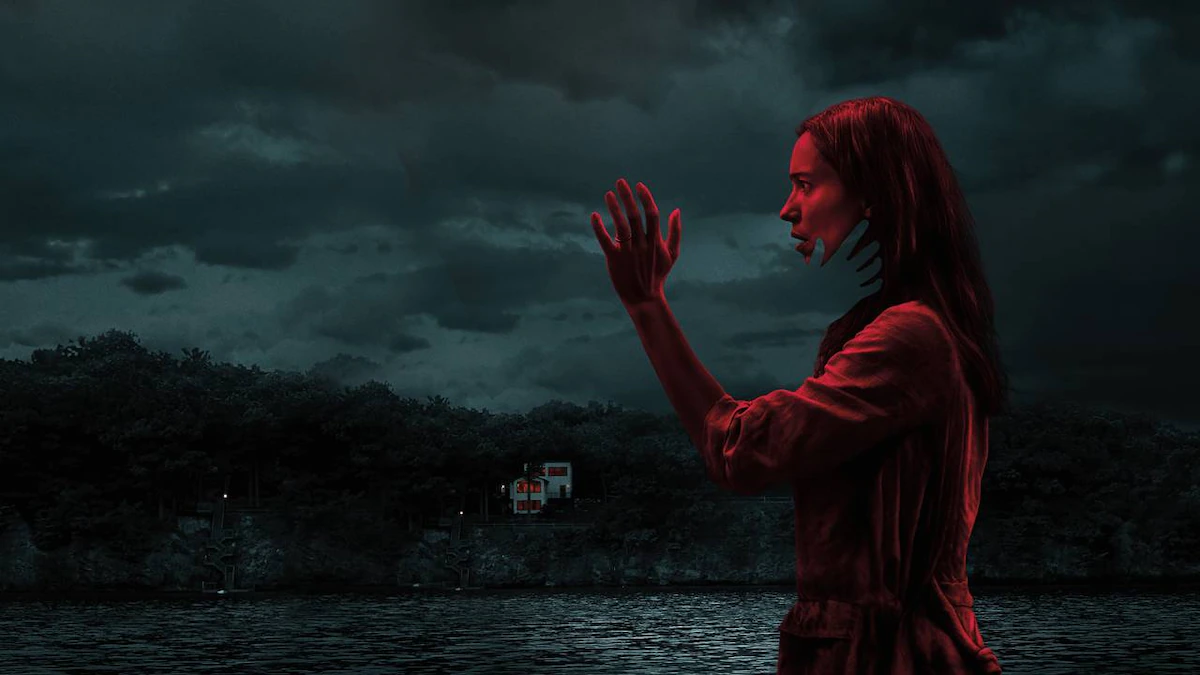
“You’re closer to death than you’ve ever been.”
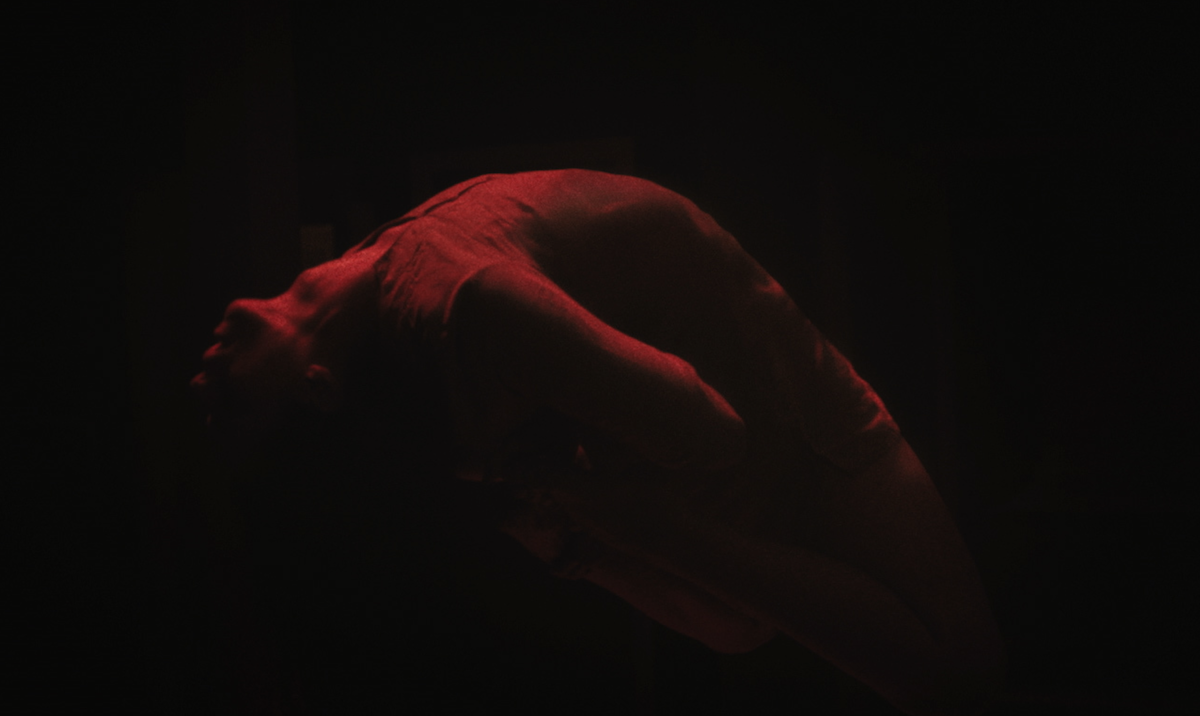
We fear death.
We fear finality.
We fear the unknown.
We fear the inevitable grief that comes along with death. The heartache. The longing. But what if…what if Death grieves, too? Grieves life? Grieves energy? Grieves those that came so close to the brink of the end, one toe over the threshold, only to be snapped back into the light, leaving Death…longing for that brief interaction with the essence of life? Longing for love?
In David Bruckner’s 2020 haunting thriller, THE NIGHT HOUSE, traumatic loss, insurmountable grief, and the shadows left to fill the liminal spaces in between interplay in ways that slide and simmer beneath the skin on their way to crushing our hearts. After the sudden death of her husband, Beth (Rebecca Hall) begins a slow and steady descent into her grieving process, equipped only with the blood-spattered note Owen (Evan Jonigkeit) left for her, which left her with more questions than answers. But she’s not alone – she can sense it. A presence, someone with her. And then, there’s the song.
The song, “Calvary Cross,” by Richard Thompson, is just as much a character as any flesh and blood, or other, in this film. As Beth and Owen’s wedding song, it becomes the main indicator that Beth isn’t alone; blasting through the stereo speakers in the middle of the night, jarring her out of a troubled sleep. It’s the announcement that something has arrived and wants to be heard, to be recognized – to be remembered. The song has a timeless quality to it, fitting just as well in the 70s when it was released as it does in modern music, which makes it the perfect choice; it too is neither here nor there, spanning decades, lifetimes. A marker of the beginning of their life together, and now, a voice from beyond.
Belonging in one space, but in no space, all at once.
Through the echoes of this song within their once shared lakehouse, Beth, like any grieving widow, begins to call out in response – she begins to call out for Owen, seeing what appears to be his shadowed silhouette within the shapes and contours and darkness of the home he built for them. She becomes consumed, entranced, sleepwalking between the waking and blurred space that has become her reality, lost in her dogged pursuit of the deep, muffled voice she now begins to hear beyond the song, beyond the pain.
“Owen? Are you really here? If you’re with me, show me.”
And then a rush of air. The arch of a back, flowing with the sudden gust, carrying her softly, so softly, into a boat. The boat – the boat in which Owen took his last breaths. A vessel, a transporter between worlds, drifting over gently rippling waves, rocking her gently to sleep as she’s carried from one shore to the next.
“It’s a dream. You’re dreaming.”
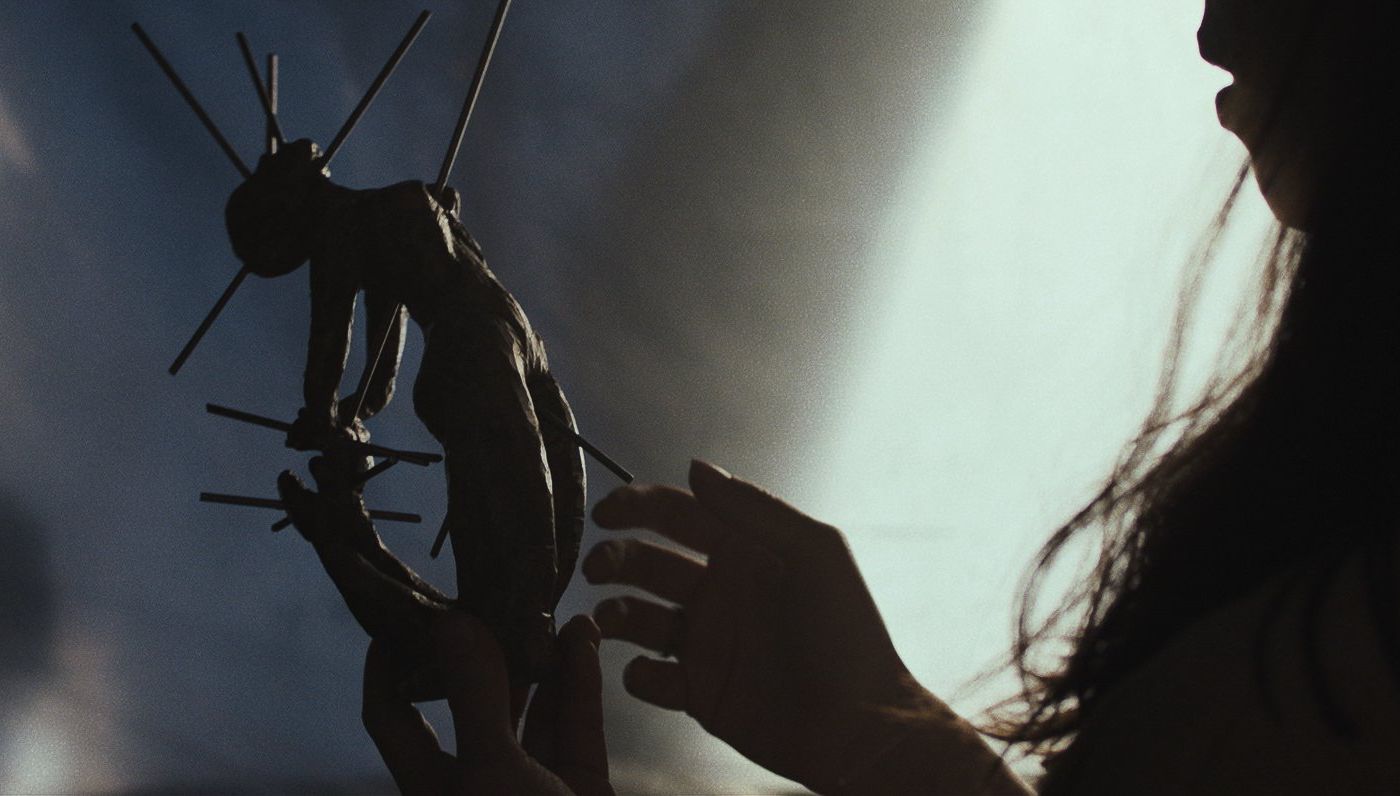
This voice begins to show her things, things she can’t understand. Things she doesn’t want to see. Things about her husband that she didn’t know – a secret side. A secret life. And yet, she follows this voice. She follows her grief. She follows the spirit of what she assumes is Owen, never thinking for one moment this phenomenon could be caused by anything other than him.
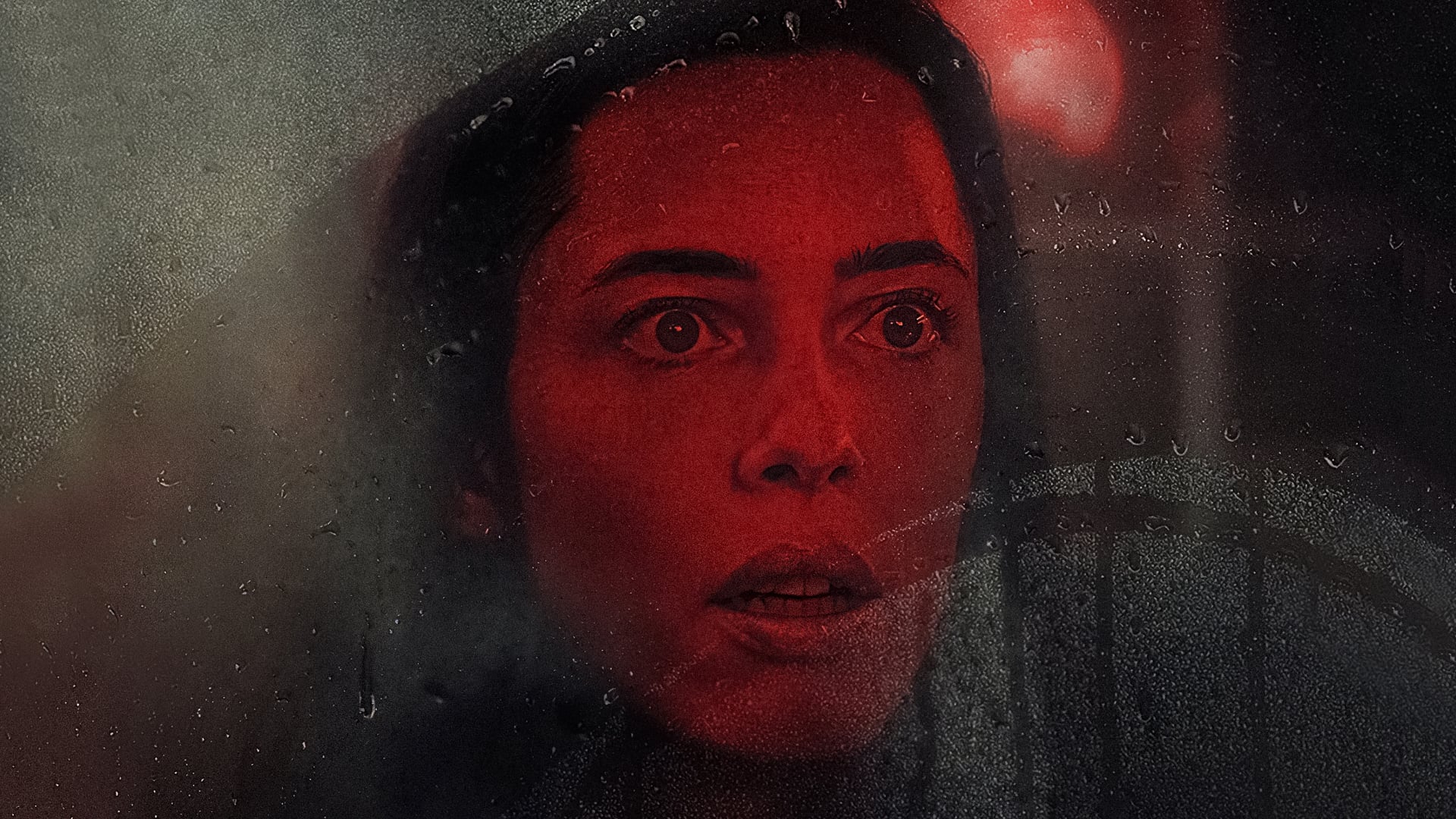
“I died, you know. Back in Tennessee,” Beth tells her friend Claire (Sarah Goldberg) one night. She then recalls her experience when her heart stopped. “There’s nothing. I wish I could tell you something – light at the end of the tunnel. There’s just tunnel.”
What if the tunnel were something? Something much more profound, much more powerful than the absence of light? More powerful than the void of nothing? What if that dark, all-encompassing tunnel was both the delivery into Death and Death itself? Everything and nothing, all at once? And what if that space, that energy yearns for us?
What if Death were an actual being, in and of itself? One capable of following those it takes a particular shine too – those that light up the dark spaces of the never-ending tunnel?
“You left. The night we met.”
When we consider spirits, ghosts, and communication from the other side, we do it through different lenses – those of curiosity, those of desire, those of fear – but what we least consider is that the actual transition of Death can take form. There’s so much we don’t know about how energy can manifest, about what we have the power to manifest through thought and intense emotion, that sometimes we forget the power of all that we don’t know, all that we can’t yet conceive about what happens when we make that final journey. What awaits us? Who awaits us? What or Who has the ability to reach out to us – to pursue us? To call us back to the darkness by any means – or through any vessel – possible?
“There is nothing. There’s only me. Come back to me.”
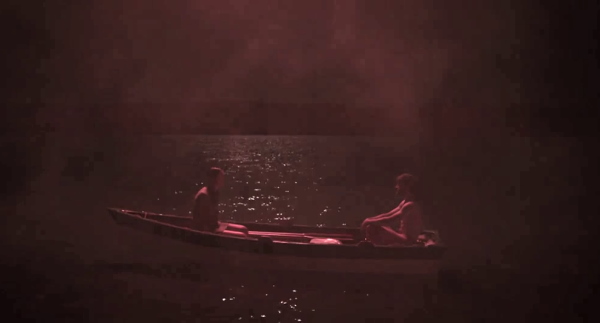
THE NIGHT HOUSE explores these themes in an excruciatingly masterful way, creating a complex tapestry of the enormous vastness of grief in the face of the unknown, crescendos of hope and ecstatic elation at the possibility of connection beyond the pale, and the levels of depravity, desperation and darkness that we will not only submerge ourselves in, but become, in order to protect and save those we most love.
Death comes for us all, but in the house by the lake, we can, for a time, shift our fates.