
By Patrick Brennan
It can be hard living in someone else’s shadow.
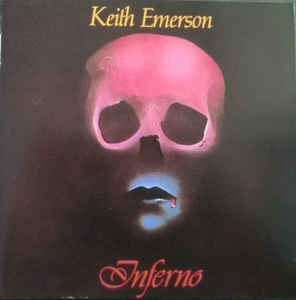
Such is the case for the criminally underrated score for Dario Argento’s Inferno, composed by the legendary prog-rocker Keith Emerson. His work on the second installment of the Italian master of horror’s Mother of Tears trilogy is gorgeous, grand, elegant and (unfortunately for its legacy) very different from the music featured in the two movies that preceded it. In this, his first effort at composing for film, Emerson had the unenviable job of following up fan-favourite Italian rock group Goblin, who had just made some of the most iconic music of their career in Deep Red and Suspiria. To this day, when you talk about Inferno with other film music fans, the complaint is almost always the same: “it’s good, but it’s no Goblin.”
Fans weren’t alone in their critiques. While some gave it favourable reviews, many critics were also dismissive, deeming it bland and citing mistakes that are fairly common in many first attempts at composing for film. Looking back now, you can’t help but think that a lot of this was a knee-jerk reaction by crusty old-guard reviewers who were offended by the fact that a rock star would dare enter their territory.
Now here’s the thing: Keith Emerson’s work on this film IS a fine piece of music, and while it may not match the raw atmosphere of Goblin’s work or have the technical prowess of a more experienced film composer, it still deserves our attention. And with this year marking Inferno‘s 40th anniversary, now’s a perfect time to revisit this often-overlooked beauty.
Inferno’s “Main Theme” is the sonic crown jewel of the film. Emerson’s piano gently drifts in at first, followed by quiet strings that build until both are met with thunderous horns for a booming peak before, like a wave breaking, receding back to the quiet piano melody we meet at the piece’s beginning. It accomplishes everything that a great theme should, capturing the viewer’s attention and setting the tone for what’s to come. Inferno’s “Main Theme” (which will be revisited and added upon in later tracks like “Rose Leaves the Apartment,” “Elisa’s Story,” and “Finale”) does a tremendous job of easing us into the dream-like world that Argento creates.
Emerson covers a wide range of territory as the score progresses. “Taxi Ride Home” is manic and could double as a track on a rock album from the time. “The Library” and “Sarah in the Library Vaults” offer gothic organ and haunting strings respectively, complementing one of the film’s eeriest sequences. “Cigarettes, Ices, Etc” feels closet to the extended jams that flesh out much of Goblin’s film work and is usually mentioned as a highlight even by the score’s detractors. It’s easily one of the strongest pieces featured and, along with the “Main Theme,” bookends the movie with two musical high points.
Of course, Inferno isn’t without its faults. There are moments where cues are missed and musical pieces don’t necessarily match the action taking place on the screen. Whether this was a mistake made during the scoring process or a blunder made afterward in synching, it does unfortunately tarnish this debut effort slightly.
Keith Emerson’s film scoring output after Inferno was minimal but interesting. Highlights including the Bruce Malmuth thriller Nighthawks and a return to horror with Michele Soavi’s The Church. He committed suicide in 2016, tragically ending a life that was awe-inspiring in its musical innovation. Whether you’re spinning Inferno (which recently had a beautiful re-release from Waxwork Records) or one of his classics with Emerson, Lake & Palmer, take a moment to remember a transcendent career that briefly touched the horror world and met with a violent end it did not deserve.