By HANNAH HUGHES
With the overwhelming box-office success of Kane Parsons‘ Backrooms and Curry Barker‘s Obsession, YouTube has opened up a new avenue for horror, making the genre more accessible than ever. However, internet-based horror is nothing new; Parsons and Barker represent the latest evolution of a subculture that has thrived for much longer than you may realize.
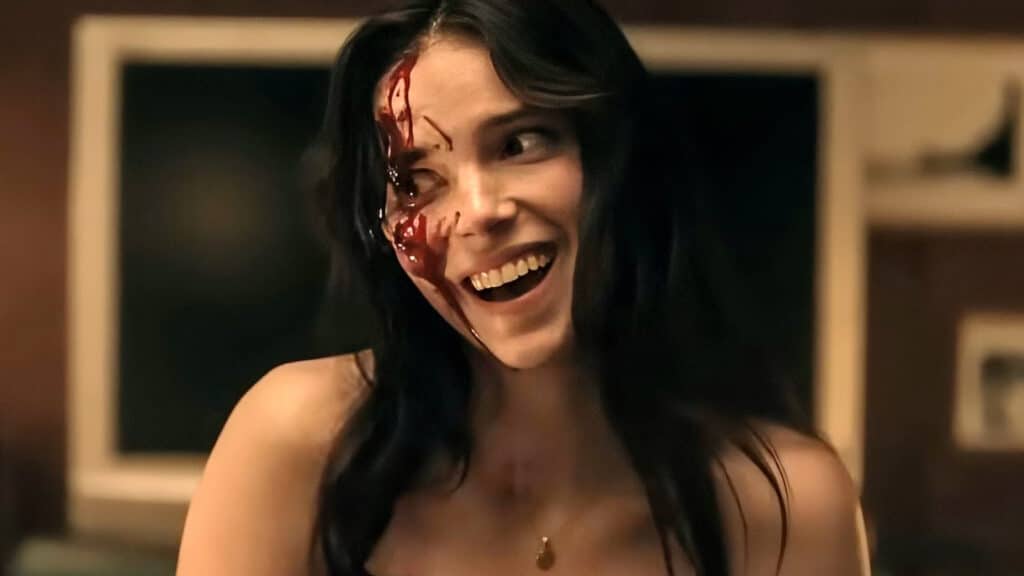
Inde Navarrette as Nicki in Curry Barker’s “OBSESSION”
In the 1990s and early 2000s, the internet took the world by storm. Wildly unregulated sites, chatrooms and message boards, and later, MySpace and Facebook provided a new means of self-expression and socialization – the perfect place for new art to emerge, and with it came an exciting group of creators who would redefine what horror could be.
The internet plays on the same factors as oral tradition, such as our willingness to share and our curiosity about the unknown. This is where horror lives and breathes, and access to online channels only made it easier for legends and stories to spread farther and faster than ever before.
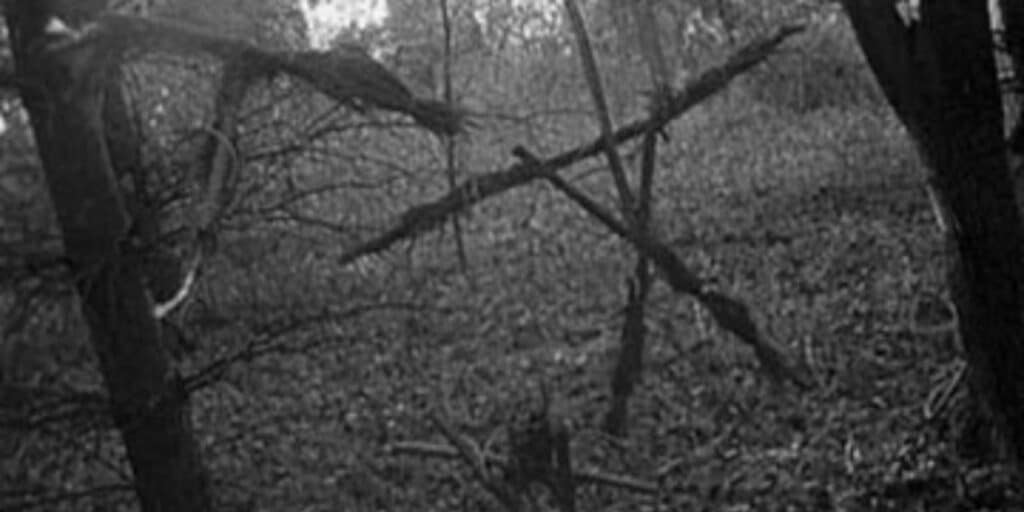
“THE BLAIR WITCH PROJECT”
One of the first and most successful examples of the internet’s newfound influence on horror is 1999’s The Blair Witch Project. Aggressively promoted as real found footage linked to an unsolved missing persons’ case, the film’s website included detailed timelines, missing posters and photographic “evidence.” Even the film’s cast was instructed to lay low to amp up the realism.
Filmmakers Daniel Myrick and Eduardo Sánchez built the legend of the Blair Witch from the ground up, making it accessible to curious audiences who had no choice but to turn to their curated website and materials for more information. Anyone could delve deeper into the mythology of the Blair Witch from their computer and tell their friends. Frightening and effective, word of mouth spread like wildfire, and a new method of film promotion was born.
The 2000s saw the rise of creepypasta. Derived from the term “copypasta,” referring to viral copied and pasted posts circulated online, creepypastas often consisted of supernatural stories or urban legends told in ways that made them seem true to life.
“TED THE CAVER”
Ted Hegemann‘s“Ted the Caver,” published in 2001, was one of the first creepypastas. Told in the form of increasingly unsettling diary entries written by a man exploring a remote cave system with friends, it set the precedent for more stories of its kind.
Launched in 2008, Creepypasta.com became a dedicated place for creators to share seemingly true multimedia stories like Hegemann’s. Soon, Characters like Jeff the Killer and Slenderman would become as iconic as Freddy Krueger and Jason Voorhees for a new generation of horror fans raised on the World Wide Web. And like most legends, creepypastas were extremely malleable. Relying on community interaction, everyone could share their own unique variations and additions to these tales.
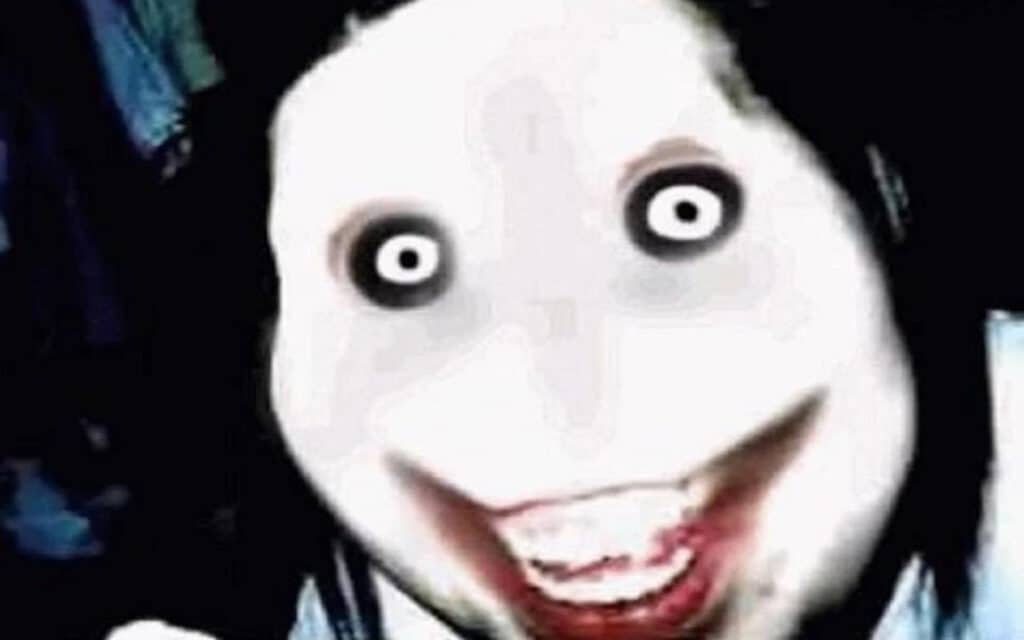
“JEFF THE KILLER”
Early internet horror quickly began to seep out from the web’s dark corners into the mainstream. Slenderman has its own movie and video game, Jeff the Killer masks were sold at Spirit Halloween, and horror podcasters and YouTubers shared stories like “Ben Drowned” and “Smile.jpg” to their platforms.
All this paved the way for Hollywood to take increased notice of internet-based horror, as YouTubers like sketch comedy creator Barker, Parsons, Markplier (Iron Lung) and RackaRacka (Talk to Me) make the leap to the big screen. And it’s paying off in unexpected (and incredibly lucrative) ways.
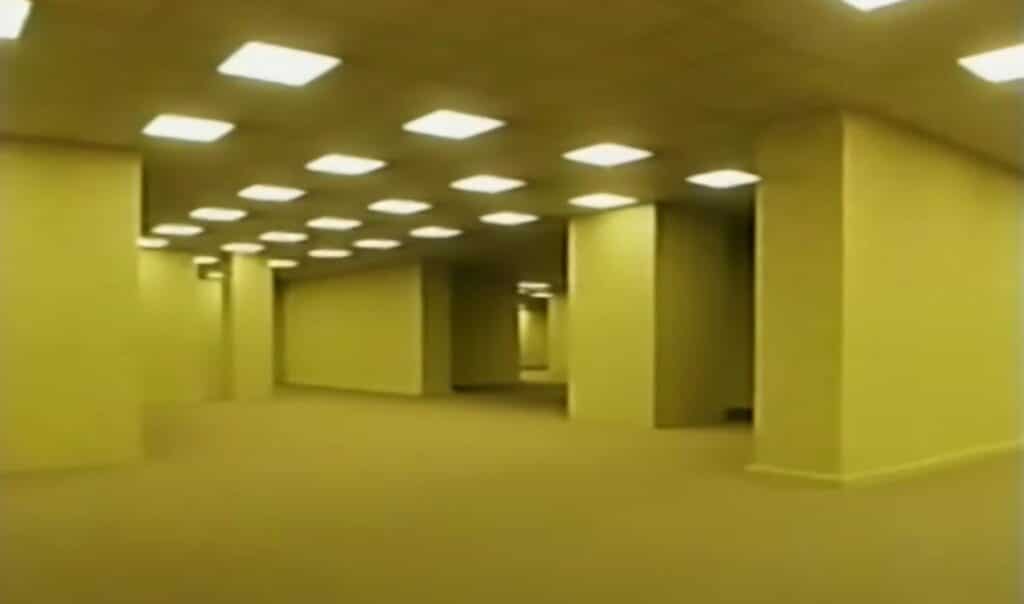
Most notably, Parson’s Backrooms, based on his web series inspired by the “Backrooms” creepypasta about unsettling intradimensional liminal spaces, premiered to great box office success. A24’s highest-grossing film to date, earning $212 million worldwide and counting, the movie draws on deep connections to early internet horror.
As the horrors of the internet are bathed in the limelight, brought to the big screen through the efforts of its youngest creators, the digital is clearly not the death of horror, but a true rebirth.