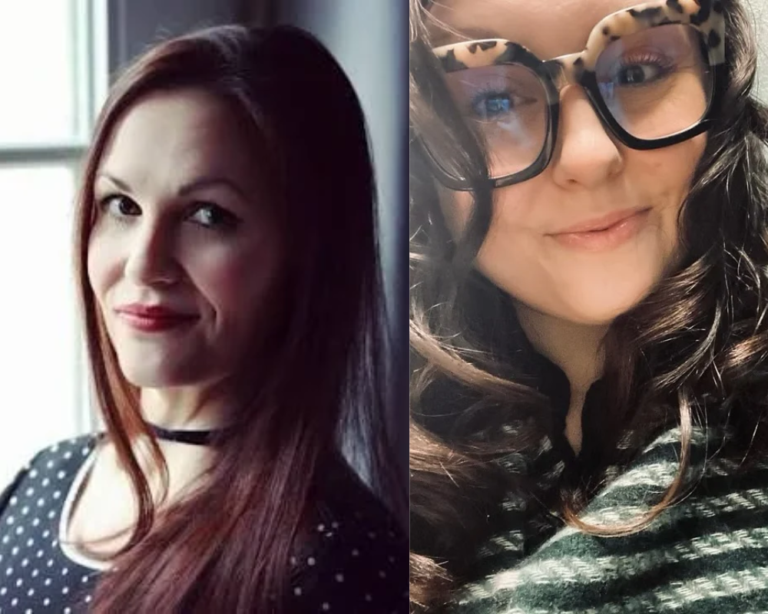
Between the two of us, we talk a lot about dead women—which probably isn’t particularly unusual for a couple of gals who’ve built their lives around horror. We talk about fictional dead women and historical dead women. Women who become ghosts. Women who become monsters. Women who have made their imprint on the horror genre, been forgotten and then been remembered again.
We also talk about books. It pretty much comes with the territory. And if there’s one thing we’ve learned, it’s that horror has always been pretty good at remembering dead women. But remembering the women who write about them? Well, that’s another story.
Somewhere along the way, the two conversations became tangled together. Because when you spend enough time working in horror—as writers, editors, teachers and readers—you begin to notice not only who gets published, but who gets remembered.
Those are not the same thing.
Women have always been here. We’ve always written about ghosts and monsters, haunted houses and evil witches, psychics and terrible mothers. We’ve always used horror to say the things women are not supposed to say politely: that we are angry, that we are afraid. That our bodies belong to us. That motherhood can terrify us. That sometimes the thing lurking inside the house is less frightening than the expectation that we’ll keep smiling while it eats us alive.
And still, women have a funny way of disappearing from literary history.
Sometimes we’re actively pushed out of it. Sometimes our work is diminished, dismissed, repackaged or rediscovered generations later as though no one knew it was there all along. For centuries, women published anonymously, hid behind masculine pen names or reduced their identities to give their work a fighting chance. Others wrote privately, filling journals and notebooks with words no one would ever get to read. Sometimes, we were simply erased.
And sure, it’s not 1692 anymore. We’re no longer hanging women for being inconvenient, outspoken or a little too knowledgeable about herbs. But the impulse to silence women, to dismiss their contributions or decide which of their stories deserve to survive? Well, that’s proved harder to kill.
Erasure doesn’t always arrive dramatically. Sometimes it looks like a website that stops being maintained or a magazine that folds or a small press that closes or an anthology that goes out of print. A story can be published, it can be read, it can matter deeply to the people who find it—and then it can vanish. Which is scary. Probably because it’s happened to both of us. Probably because we’ve spent so much of our respective careers trying to make sure it doesn’t happen to others.
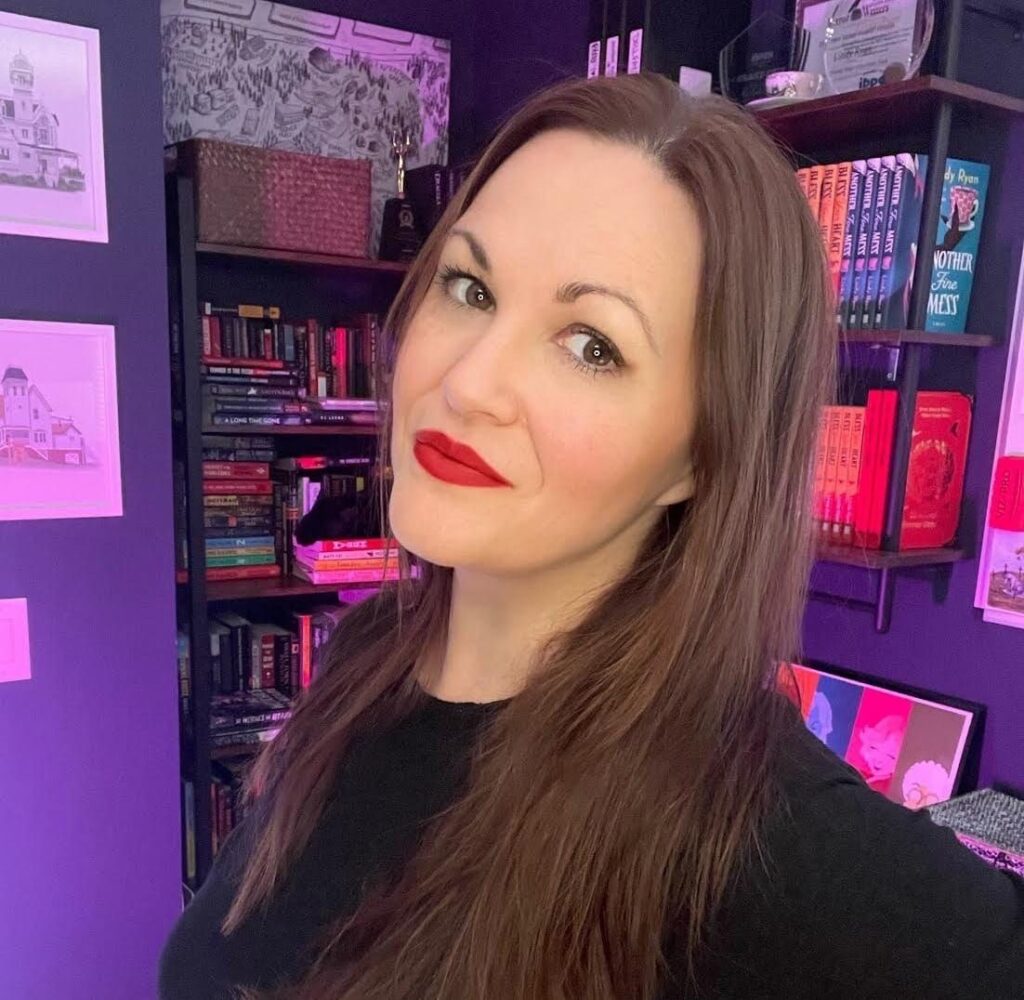
We met through horror. We became friends through horror. And eventually, championing women in the genre became inseparable from the genre itself. We both mentor aspiring writers in Western Connecticut State University’s MFA Creative Writing program. We co-edited HOWL: An Anthology of Werewolves from Women-in-Horror, a Bram Stoker Awards® Finalist and a Library Journal Best Book of 2025. Together, we have watched women in this community succeed. We have watched them struggle. We’ve even watched some disappear. And at some point, our conversations began to shift from How do we help more women get published to How do we build a legacy for women in horror?
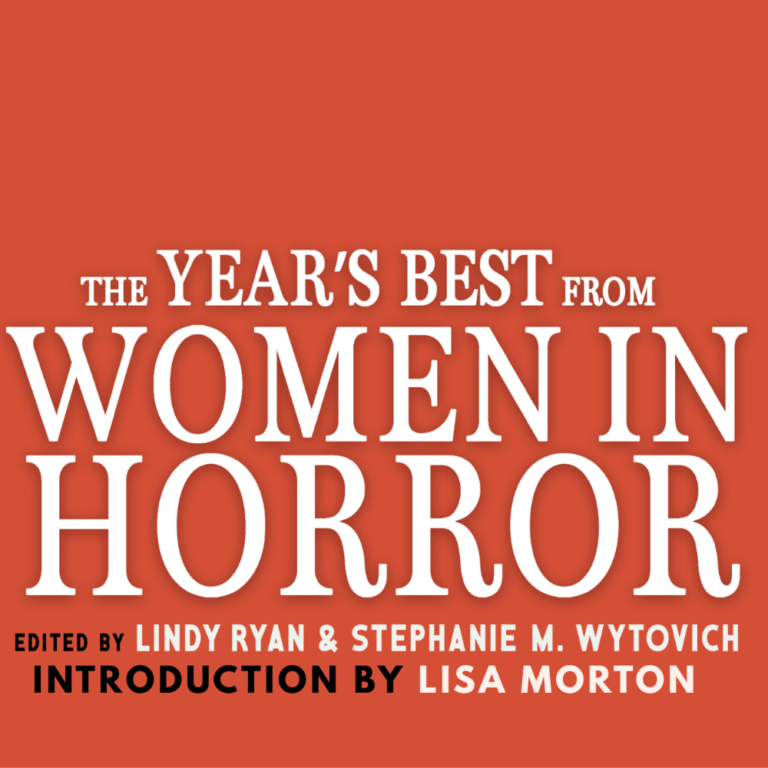
Eventually, those conversations turned into THE YEAR’S BEST FROM WOMEN IN HORROR, a new annual reprint anthology that collects exceptional, previously published horror fiction, nonfiction and poetry written by women and gives it a permanent home in print. The first volume will gather work originally published throughout 2026 and will be released in Spring 2028 by Black Spot Books, the publisher behind the acclaimed women-in-horror anthologies Into the Forest, Mother Knows Best and HOWL. Volume I will also feature an introduction by horror author and historian Lisa Morton.
And the timing couldn’t be more important. So much extraordinary writing exists in places that are surprisingly easy to lose. Digital magazines. Online publications. Independent presses. Small-run anthologies. Substacks. Places doing remarkable work, with no guarantee their archives will still be accessible two years from now, much less twenty years. A story can reach readers around the world one day and be one broken link away from disappearing tomorrow.
Publication gives a piece of writing an audience. Preservation gives it a life.
So we’re not just building an anthology. We’re building a shelf. One book becomes two. Two become ten. Ten become twenty. And suddenly what started as a conversation between two women becomes a physical record of women writing horror across years, across decades.
But preserving women’s stories is only part of the work. We also have to make sure women coming up behind us have the opportunity, the tools and the authority to decide which stories to carry forward. So, we’ve been thinking about that a lot lately, too. About what it means to become mentors in this community. About the women who paved the way for us to follow. About making sure that whatever doors we push open don’t swing shut behind us.
Which is why we don’t intend to be the only women sitting at this editorial table. Eventually, future volumes of THE YEAR’S BEST FROM WOMEN IN HORROR will invite guest editors into the process. We want women who aspire to edit and curate horror to have the opportunity to help shape these books, to learn the strange and wonderful work of anthologizing and to bring perspectives that are not ours alone.
Because legacy can’t mean building something that depends forever on the people who started it.
There should be other women discovering stories we missed and deciding what needs to be carried forward. Women who will carry the torch when we’re the dead women other women talk about.
And there should be writers in these volumes who haven’t even written their first horror story yet. Readers who find these anthologies and become writers themselves. After all, every writer started out as a reader who fell in love with a story somewhere along the way. That thought makes us ridiculously happy. Maybe someday, a new woman in horror will discover her new favorite writer because we found a story in a tiny publication in 2026 and thought: This. We have to keep this.
That’s what we want this series to do. Keep stories. Keep voices. Keep women in horror, and in the conversation, long after we’re gone.
That’s building a shelf of our own.
The inaugural volume of THE YEAR’S BEST FROM WOMEN IN HORROR is open for submissions, and we’re asking writers, editors and publishers to submit the fiction, nonfiction and poetry written by women and female-identifying writers that made 2026 extraordinary.