

by JAMES TUCKER
Starring: Betty Gilpin, Emma Roberts, Hilary Swank
Directed by Craig Zobel
Written by Damon Lindeloff, Nick Cuse
Blumhouse Productions
THE HUNT wasn’t what I thought it was going to be. I’m not sure it was better though.
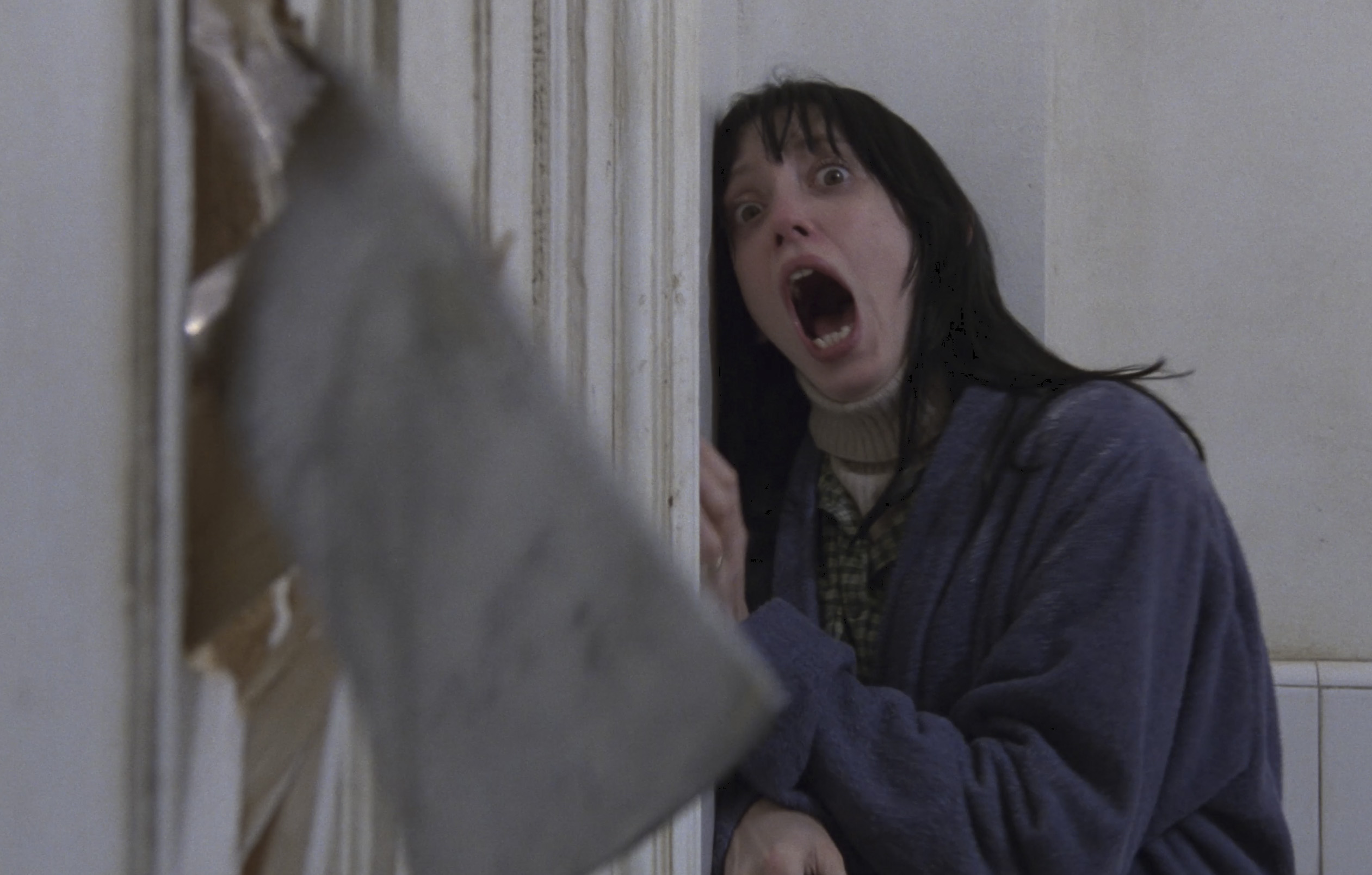
At this point, I’m not sure we need another plot synopsis, but I’ll give you a brief one anyways—a group of liberal “elites” kidnap conservatives and take them to a remote location where they are hunted for sport. One of the alleged conservatives (Crystal, played by Betty Gilpin) decides she’d rather hunt than be hunted, and just like that the game is on.
For what it’s worth, the film is entertaining; it does it’s best to keep the audience off balance with a couple of narrative twists that had me on the edge of my seat. Bits and pieces of the political jokes were funny, though I can see why they might offend someone with thinner skin. I found myself thinking just 20 minutes in, “Maybe I was wrong about this film. Maybe this will have something smart to say.” But by the last ten minutes, THE HUNT’s message had become clear, and I left the theater disappointed.

Let’s get this out of the way: this film is not really a “both sides satire” so much as a study of the left and how they create their own enemies. We spend a disproportionate amount of time with the liberal “elites” as opposed to the conservatives, who for one plot-centric reason or another, share less screen time than the liberals: the film’s criticism of conservatives is limited to having a conservative character say the n word or freak out about crisis actors (the latter of which the film immediately undercuts because, surprise, there are), while several scenes in the film are dedicated to running gags about liberals paying lip service to issues of representation while not actually giving a shit. The screen is mostly shared by Gilpin and the elites, for better or for worse, and so any chances for meaningful commentary on conservative rhetoric (aside from one scene involving a train) are passed over by default.
In my previous post, I had already noted that the film’s premise seemed naturally weighted against the left, forcing us into the perspective of the conservatives as they were abducted and attacked by liberal “elites” who saw them as “deplorables.” The film wants you to know that, regardless of all the sound and fury that has come from both sides, the “elites” are the bad guys here; in this film, they are the ones that elevated the rhetoric to a very violent and very real place. Getting into the way the film confirms this stance gets into spoilers, but let’s just say Hilary Swank has a monologue in the last ten minutes that is emblematic of this movie’s stance on the left: the left projects the worst onto the right, causing conflict and creating the very caricatures they believe their enemies to be.
“Let’s get this out of the way: this film is not really a “both sides satire” so much as a study of the left and how they create their own enemies.”
And that brings us to Gilpin’s character, the “Arthur Fleck” of the movie. I call her that because much like the titular character in Joker, she doesn’t really seem to have an ideology other than what others project onto her; it isn’t a spoiler to say that she doesn’t give a shit about the culture war between right and left, but that she’s pissed about being shot at and wants to eliminate the threat before it eliminates her. She’s the perfect de facto centrist, an American citizen who just wants to go about living her life and got roped into a conflict she doesn’t care about. The film could be read as a study in how both sides are negatively impacting the life of the average American IF, and I mean if, the conservatives did anything resembling anything cartoonish or wrong at any point in this film. (The aforementioned train scene could be read as such, but the fact that the conservative was right about one of the people being an actor dilutes its messaging.) The blame for the way in which Gilpin is victimized falls solely on the elite; they are the instigators, they are the ones who took their rhetoric to an extreme. And in so doing, they didn’t just cause casualties in their culture war; they damaged the average American citizen.
This film is the “left’s” misguided critique of the left, one that seems content to stand between both sides and scream like a kid whose parents are fighting “why won’t you be nice to each other?” It isn’t an alt-right revenge fantasy, for which I am grateful; it’s at least trying to say something positive. But I’m not sure its criticisms hold water with reality, and at the very least they only touch upon these issues in a superficial way.
As the tagline of the film reads, go “decide for yourself.”