
I’ve been writing about film and interviewing the people who make them for more than 30 years now. But never once have I been tempted by a film – offered something that seemed forbidden, and possibly dangerous… until now.
I love stories where people become entangled with some piece of diabolical cinema. Like how theater owner Kirby (Norman Reedus) is hired to locate the only existing print of a movie said to have the power to drive viewers crazy in John Carpenter’s excellent 2005 Masters of Horror episode “Cigarette Burns.” Or like Max Reen (James Woods) being pulled into a battle for the mind in David Cronenberg’s VR body horror Videodrome, or Maggie (Jill Schoelen) experiencing director Lanyard Gates’ (Matt Falls) subversive mind-screw arthouse flick Possessor in Popcorn (1991). Carpenter’s In the Mouth of Madness is another tale of contaminated content that ruins lives.
Recently, I began receiving messages from a director who asked if I reviewed “extreme” cinema. I honestly told him extreme cinema is not my thing, explaining that when I was in my twenties, I was more open to that kind of experience. Now, I’m happy with my “fun, popcorn” horror films. A couple of days later, I got another message asking if I would be open to giving his most recent film a watch.
In a voice message, he said the film was on a theatrical run in a couple of arthouses stateside, was receiving a physical release and was already streaming. He described the film as an experiment in freedom for the filmmaker to break away from mainstream expectations and delve into creative chaos. He said it was a claustrophobic film, shot in only a couple of rooms, with limited dialogue.
I was intrigued. Here’s the crazy thing: In all those above examples of people in films being enticed into strange, transgressive cinematic nightmares, I never understood exactly why they willingly entered those worlds and stayed. (I mean, Kirby, Bellinger has an actual angel from heaven he’s clipped the wings off of on display in his rumpus room! Run, man, run!) But now, I see. That forbidden fruit dangled before you with the promise of seeing something you’ve never seen before is just too tempting.
Extreme arthouse movies are not my thing. When I was younger, sure. In the ‘90s, I read Chas. Balun and ingested all the films he talked about, mind-blowing torture shows like Jorg Buttgereit’s Nekromantik films and the Guinea Pig series from Japan. I was aware of so many bizarre flicks and stayed away from certain titles because I wasn’t sure what might happen once I saw something like that. I bought plenty of scratchy bootleg VHS tapes at conventions. And that made those forbidden films seem all the worse.
For me, the Italian cannibal movies pushed me to my limit, and that’s because of the reckless onscreen animal cruelty. I don’t ever want to be so desensitized that I am not affected by something as repugnant as that. Aside from those, the Italian Nazi flicks were all pretty disturbing. I can use those movies as a test. As long as I can watch one and still be disgusted by what I see, I’m okay. I’m not damaged. And that, I think, is the greatest value these films possess.
It is a weird conversation, because I can watch three or four Golden Age slasher films in a row and be completely delighted with the savage slaughter of dumb horny teens. I can still get excited anticipating the next wonderful Tom Savini splatter effect. It’s different somehow. Those movies stood as a way teens confronted their own mortality. They were cheap morality plays reminding us to not smoke dope or get nookie before marriage for fear of running afoul of some lumbering behemoth who might chop us into kibble with a Pocket Fisherman or some such weapon of destruction.
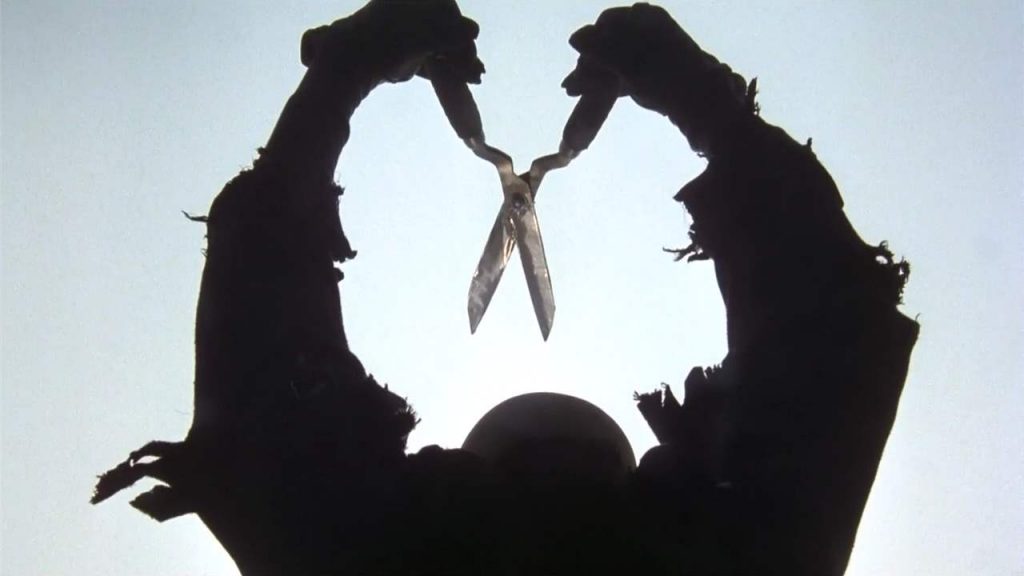
Extreme cinema is a different beast entirely. It stays in the collective consciousness and evolves with society. What was once a subversive midnight movie experience of viewing John Waters and Alejandro Jodorowsky flicks years ago is now a Criterion Collection 4K with an extra disc of featurettes and a booklet of praise by a leading film critic.
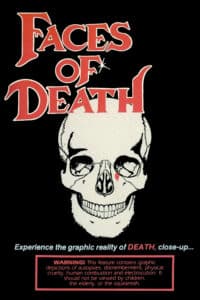 Just last year, people were posting pics of the complete Faces of Death DVD collection at Walmart. How crazy is that? What was once protested by PTA moms concerned their kids could so easily be transformed into blood-sucking freaks simply by watching one of the Faces of Death movies was now for sale at America’s biggest brick-and-mortar retailer, right beside the Police Academy films and the deluxe edition Beverly Hillbillies box set.
I remember when Best Buy was selling Blue Underground’s Mondo Cane collection. It was so weird seeing those films in a store that sold appliances! Arrow Video released the Jose Mojica Marins’ (aka Coffin Joe) films in a beautiful box set a couple of years ago. Marins’ nightmarish flights of fancy were once feared. Now, they are celebrated.
All of which begs the question: Does film still have the power to shock in the age of the internet?
I think so.
The Benefactress: An Exposure of Cinematic Freedom (2025) is proof.
Once I agreed to watch the film, the director, Guerrilla Metropolitana, wanted me to understand it was not a horror movie in a traditional sense. But it is horrific.
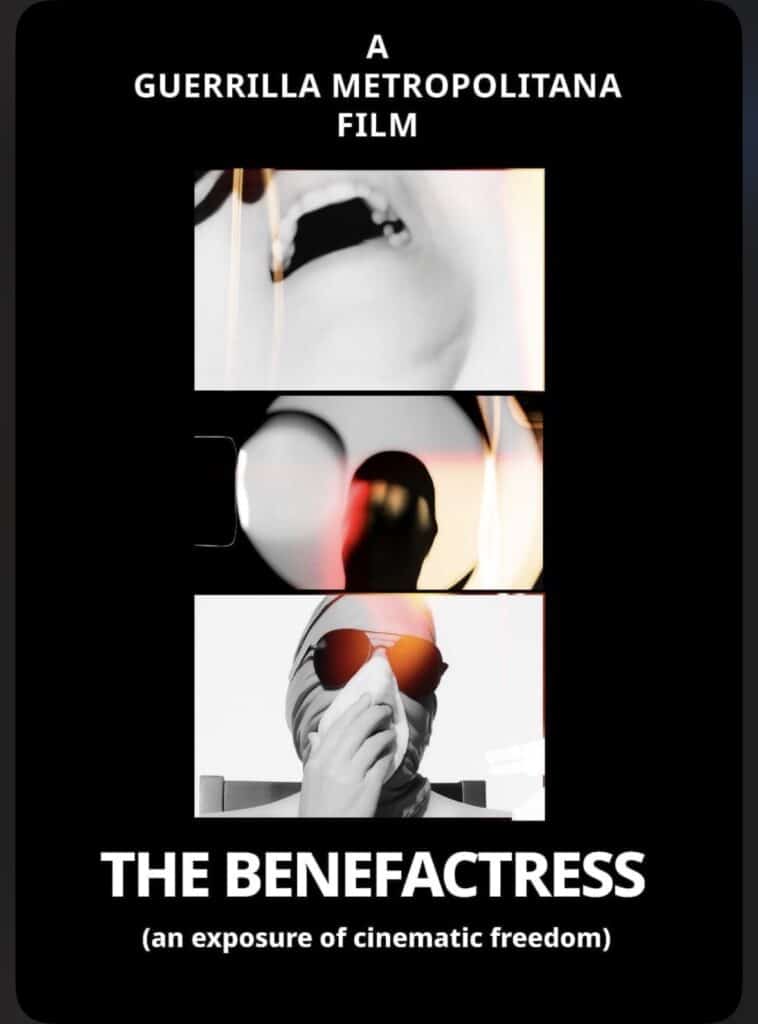
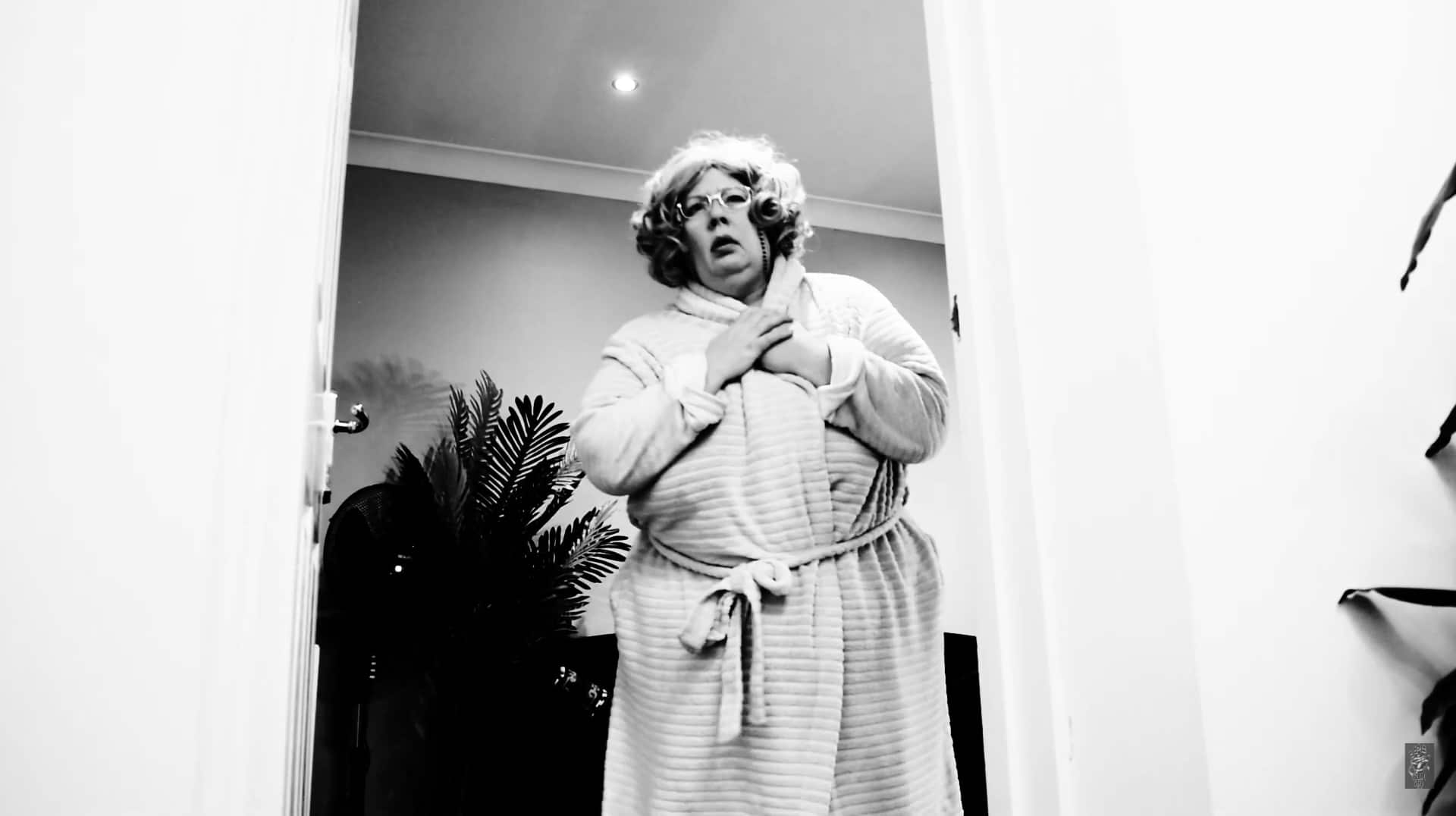
A woman, portrayed by actress Juicy X, is attacked by another woman. Juicy X overpowers her and spends the remaining run time breaking her down and abusing her – all to the delight of an unnamed woman who watches via video chats, getting off on it. It is all recorded by Guerrilla Metropolitana, who eventually joins in.
The Benefactress is a stiff middle finger to mainstream filmmaking. This is not a horror film in which kids are picked off by a masked maniac, or where a malevolent spirit haunts a house. It does not belong in the same category as Hollywood blockbusters or even the indie films of, say, Lloyd Kaufman. It does not exist in the world of superhero movies or Netflix original series.
It is cinematic chaos that has the viewer wondering “Why did the filmmaker make this movie?” and “Why am I watching it?” You will leave your comfort zone. You’re forced to.
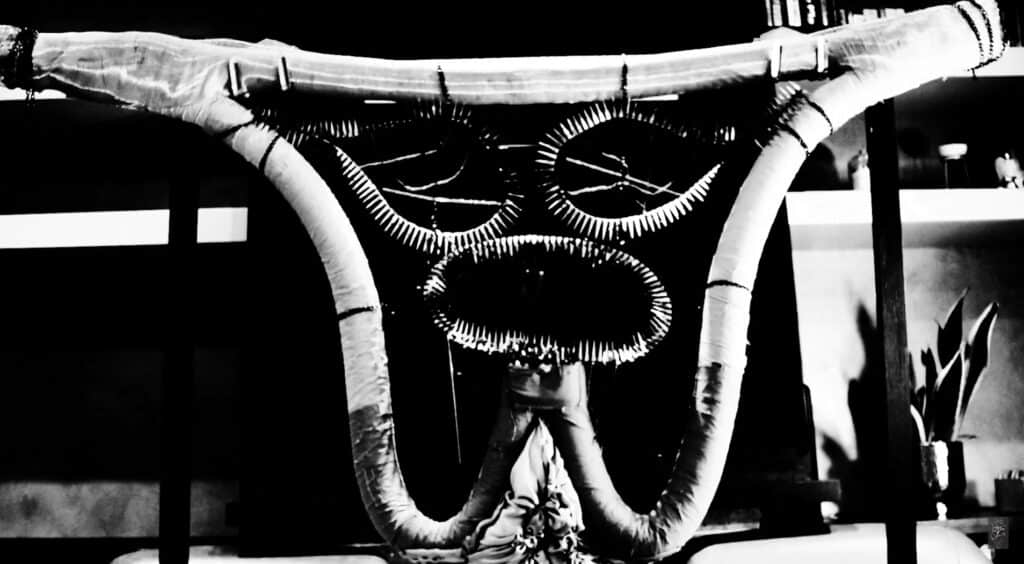
It is less like watching a movie and more like experiencing a crime. You remind yourself it is just a movie and everyone on screen is a willing participant. They’re making it up as they go along. They have no idea what is going to happen next, but they know whatever happens, the camera will capture it all.
The Benefactress will affect everyone who watches it differently, and that’s no doubt vital to how it may affect you. I’m curious what those arthouse showings might have been like, with an audience experiencing the visual mayhem together. At home, you can pause if you get freaked out.

It made me uncomfortable, and I think that is a good thing. It will definitely offend people, and that is a good thing too. These kinds of cinematic experiences help identify when we’ve reached our limit and find the line in the sand we refuse to cross. Films like The Benefactress don’t exist to bring joy or help you forget your day, but they can help reset your brain when you think there is no good left in the world. They can be the darkness that eventually provides light.
As Friedrich Nietzsche said, “You must carry a chaos inside you to give birth to a dancing star.”
In addition to its current U.S. arthouse screenings and physical release by Blood Pact Films, The Benefactress: An Exposure of Cinematic Freedom is currently streaming on Fawesome. Proceed with caution.