By JILLIAN KRISTINA
Monsters are real. They take many forms and wear myriad faces. They breathe, they feed, they spread. They terrorize and pulverize. We can fight them. We must fight them. But some are harder to kill than others. Some are more than mere flesh and bone. Some are biological. Some attack us from within, turning our own cells against us, breaking us down from the inside out. They manifest before the eyes of those we love, watching in dread and helplessness as this formless beast eats away at us little by little, day by day.
Desperation fills our veins, flooding our already toxic systems. We slip into a waking coma, consumed by doggedly seeking something, anything, that can fight this monster for us, slaying the beast and delivering us back to ourselves. We travel to the edge of ourselves, reaching out, screaming out, both surrendering and opening ourselves to anything that might help – something or someone to do the gruesome, shadowy work that we can’t do alone.
And when finally my screams were warmed to a whisper, you heard.
You, so young in your bones and yet so old, slumped in the lap of death.
You let me in. You let me rise.
I take your shadow, you give me life?
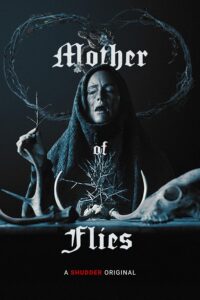 In the Adams Family’s DIY magnum opus, MOTHER OF FLIES, a champion of death rises from the grave to reclaim life. Solveig (Toby Poser), a powerful necromancer, walks with one foot on the ground and the other in the grave. She knows that life and death are transactional, and she knows the cost of each. She wields her wisdom and magick for herself first, and then for others. And although she lives on the border of the hedge, she, too, craves connection. She also yearns for love. She hungers for it the same way death hungers for life.
“Solveig, why are you doing this for me?”
“Because you asked… I heard you, and you heard me.”
“I don’t understand.”
“Your curse is my gift.”
In a place far removed from the isolated woods where Solveig dwells is Mickey (Zelda Adams), a college student in the city who teeters on the edge of death. She has stared down cancer for far too much of her young life. Chemo hasn’t worked, and now, she and her father (John Adams) are heading to a remote location to meet with a woman who claims she can cure Mickey. A mystery woman, offering a natural alternative, trading chemicals for herbs and sanitized hospitals for beds of branches and moss, slabs of bark and thorns.
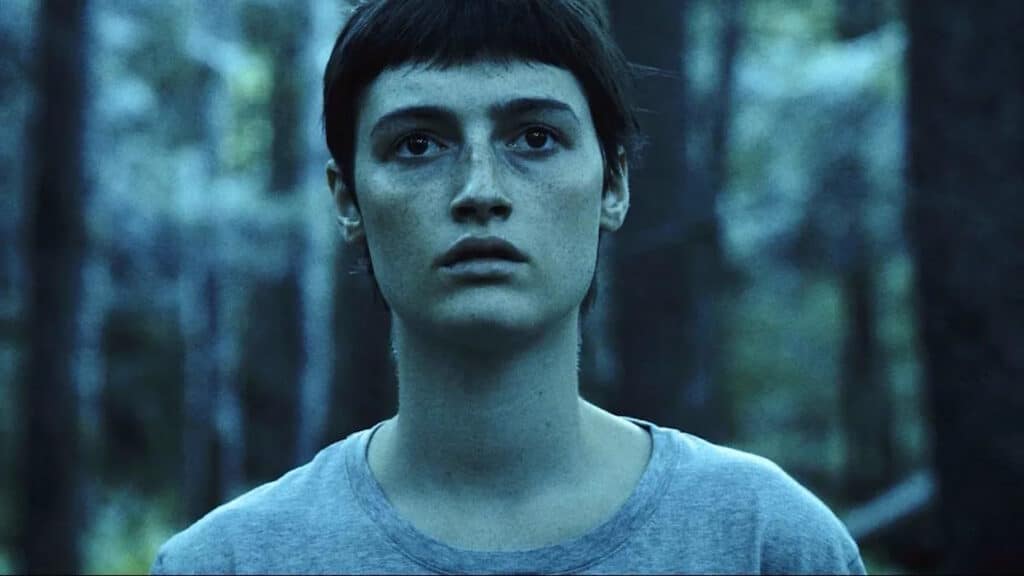
Solveig is the guardian at the threshold, a keeper of the secrets of the green – of life, death and all that lies in between. Death has risen. The portal has opened. The initiation has begun, and for Mickey and her father, there is no turning back.
“Life has rhythm. The heart, the drum. But death knows only silence. To woo death, one must love it. Lie with it. For three days, give your beating, bloody heart to it, til death grows ears. Til death grows warm. Til an ember sparks, the dead drum thumps. And the blood and the light floods in.”
Mickey and her father have never heard the tales of the necromancer who walked this land, about the witch who danced with death and loved it back to life. Yet, they find themselves here, intimately woven into and through her story. Her myth. Now, they take their place within this new, living myth, resurrecting loss and heartache and answering it with their own. They live within the liminality of paradox, facing the impossible to achieve the impossible – to extricate Mickey’s cancer and transform it into life.
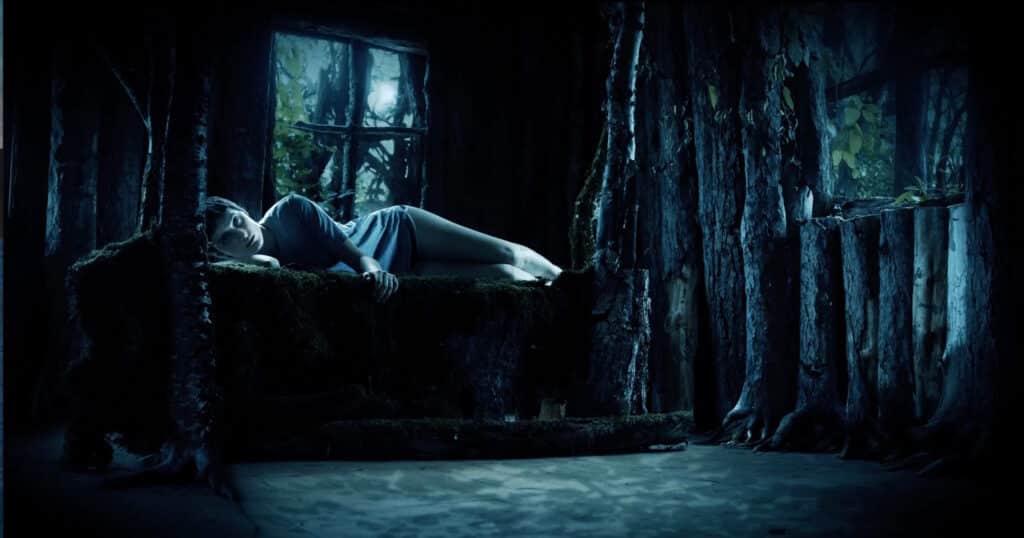
“Memories haunt these barren bones where moments ago, the shadow roamed. Awaken now, forgotten flesh; remember quick, that life is death.”
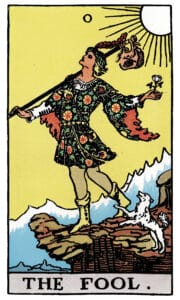
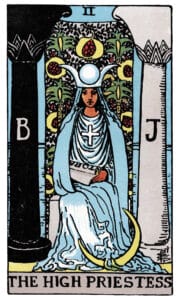 The power of myth is resurrected through Solveig’s work, calling to mind one of the many epithets of the Greek goddess Hekate – the Borborophorba, Eater of Filth. The threshold goddess consumes the emotional and physical waste of a person, taking the filth into herself and transmuting it. Alchemizing it, leaving the dedicant refreshed, renewed. Healed. Life and death are one, and this is where Mickey and Solveig take on the roles of The Fool and The High Priestess. Of Kore and Hekate.
Together, they’ll walk through the underworld, succumbing to the fear and terror and pain of not only the unknown but of being seen for and tested for who they truly are. Here, Solveig is the High Priestess of rot, beaten and buried by those who feared and reviled her. She did their bidding while they secretly cursed her and, ultimately, destroyed her.
“Shunned, maligned for years. I gave what they begged of me: the knowledge they hated. The magic they feared.”
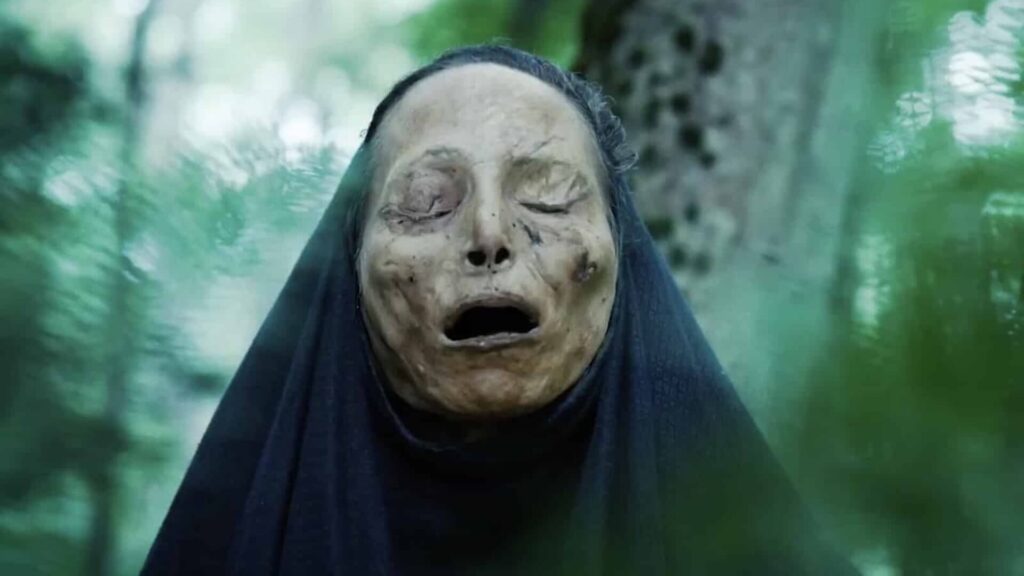
Demonized by a society that was taught to fear her power ( and its own), Solveig’s fate is sealed, but her destiny is yet to be written. It is only when the Fool, a weathered, dying soul, summoned by death before her time, heard the ancient echoes of pain whispering on the wind – a strange, yet familiar, voice, their souls already forming the circle that will create the container within which their alchemical ritual unfolds, taking life into their own hands, summoning sovereignty over the lure and pull of death, empowering each other through acts of desperation and depravity. Accepting putrefaction as a doorway to purification. Accepting death as a gateway to life.
 “You accepted that pain without hesitation – you accepted a vicious cure, and it failed. Well, my cure is painful, too. Death is no fool. One does not trick it with kindness.”
Magick is real and takes many forms. Magick is the tool, while intention is the engine. We are the conduits, our will working and flowing through us to manifest cures and conditions that can’t be explained. And yet, they persist. They bloom in the rot and compost of lives once lost, now reclaimed. As we forge a crown of ash and bone and thistle and thorn and seed, we witness the chthonic throne break ground, inviting us to leave the shell of Kore behind and to take our seat as Persephone, presiding over both above and below.
From this space, just as Mickey and Solveig (Persephone and Hekate) do, we stand on the precipice of what was and what will never be again. Here, we decide who we are and to what lengths we will go to preserve our own power of choice – our own right to life – on our terms. How will we fight? How will we show up? Will we cave when the pain comes, or will we push through, knowing that on the other side of pain is purification? Can we cast aside the judging eyes and minds of others and stand firmly on our own hill of integrity, pursuing a way forward that seems impossible only to those who don’t, and won’t, believe?
“I’m gonna fight like a motherfucker to make this life last as long as possible, because death can wait. So, I’m gonna… believe. Believe in this moss and this fucking tree bed and Solveig. And her flies. I’m just gonna believe in it all.”
Today is Friday the 13th, a day maligned for centuries as bad luck, rife with demonic imagery and ill-fated omens. It actually is a day deeply aligned with goddesses. With witches. With the moon. It’s a day for those who exist(ed) in the shadows, under the cover of night, just to survive. It’s a day of powerful reclamation for all of those who are marginalized because of who they are and all that makes them different and unique. And powerful. Because monsters are real. They shapeshift, and so do we – into our most steadfast, resilient selves. And that’s how we beat them. That’s how we slay them. Never. Fucking. Stop.
“You know better than anyone. No fucking stopping.”
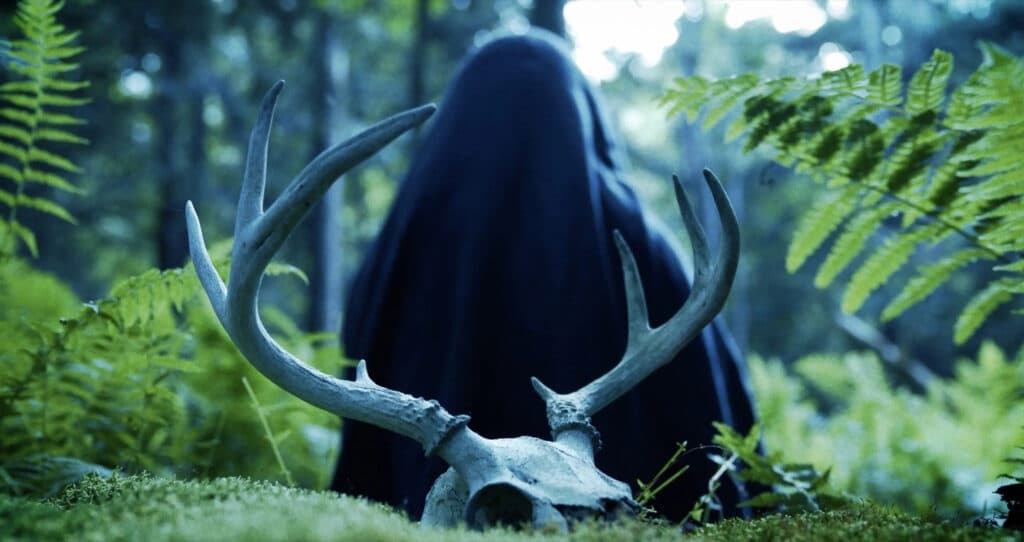
And now, a tarot prompt to guide us through the collective underworld:
What beliefs, or versions of ourselves, are we being asked to release as we navigate the darkness?
What is our personal torch – our guiding light, our touchstone – through this alien space?
After releasing what can’t come with us, what are we looking to reclaim – to call back?
And finally, what did we learn by facing our pain, rather than running from it? How can we alchemize and assimilate the lessons to inform this next, transformed version of ourselves?