
“You know the time when I’ll retire? When I can hear them nail a lid on my box. And then I’ll fucking do an encore. I’m the Prince of Darkness.” – Ozzy Osbourne
On Tuesday, July 22, we lost a legend. Intellectually, we all knew that this moment would come, that we would eventually lose our beloved Prince of Darkness, Ozzy Osbourne. We knew of his years of declining health, beginning with the 2003 quad bike accident that left him comatose for over a week and the ensuing surgeries to repair damaged vertebrae in his neck, the falls, more surgeries, and, of course, the 2020 revelation that he had been battling Parkinson’s disease for over a decade. (Not to mention his legendary, lifelong struggles with drugs and alcohol.) Osbourne had been on borrowed time for a while, but our hearts told us he would live forever. Ozzy always came back. Despite his lyrical protestations in “Gets Me Through,” the lead single from his 2001 album, Down to Earth, he was the Iron Man. In light of his final Back to the Beginning performance and reunion with Black Sabbath just 17 days earlier, the announcement from Osbourne’s family on social media hit like a sledgehammer: “It is with more sadness than mere words can convey that we have to report that our beloved Ozzy Osbourne has passed away this morning. He was with his family and surrounded by love. We ask everyone to respect our family privacy at this time.” Sharon, Jack, Kelly, Aimee and Louis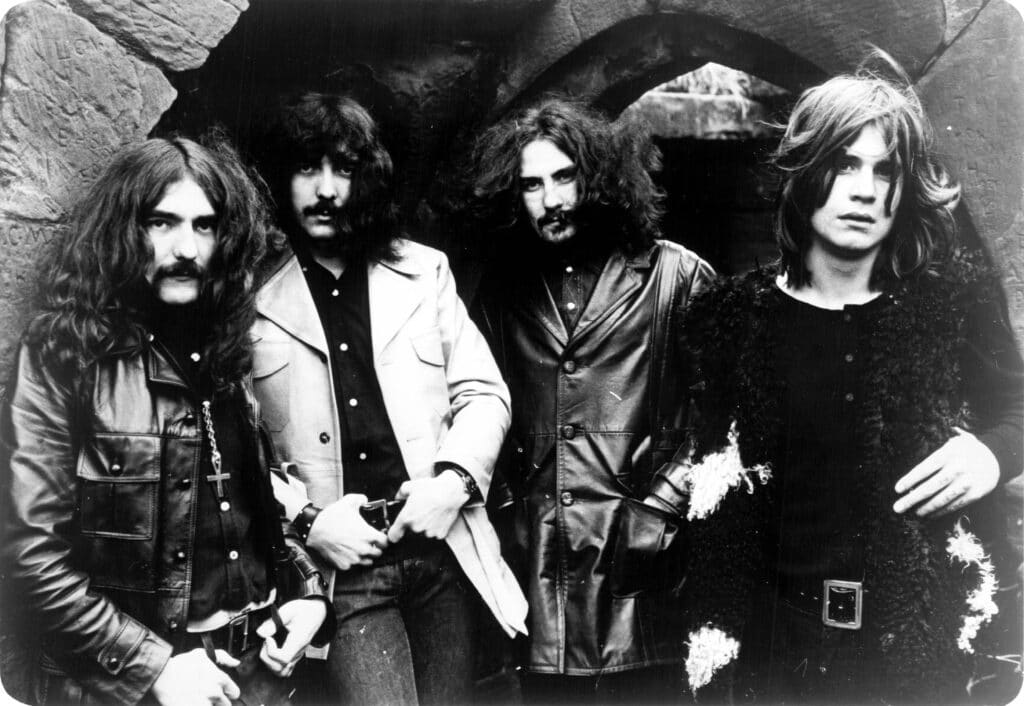
 Adopting occult-inspired imagery and a sludgey, distorted, and undeniably loud new sound that echoed the grind of their hardscrabble upbringing in the rain-soaked postwar industrial city of Birmingham, England, the band stood in stark contrast to its contemporaries in the hard rock scene. Alice Cooper may have “driven a stake through the heart of the peace and love generation,” but Black Sabbath sealed its casket. Not everyone got it, including Rolling Stone‘s Lester Bangs, who found the band’s self-titled 1970 debut “cliched” and “plodding,” downing Osbourne’s vocals as “sparse” and inexplicably declaring Iommi’s crushing riffs “wooden Claptonisms.” However, those who found comfort in the darkness were hooked for life.
Success inevitably led to excess, and Osbourne’s increasingly erratic behavior and Herculean drug and alcohol use would lead to Black Sabbath unceremoniously dismissing the singer after 1978’s Never Say Die. Ozzy had seemingly hit the end of the road as another entry in a long litany of rock ‘n’ roll casualties. Black Sabbath would soldier on with former Rainbow frontman Ronnie James Dio. Osbourne, estranged from his first wife, Thelma Riley, and reeling from the death of his father, spiraled into a cycle of self-destruction. Life for Ozzy had become a horror show of self-loathing. Although still revered by Black Sabbath’s legion of fans, the music industry wrote him off as a has-been, too volatile to play “the game.” Yet, there was at least one person who still believed in him, and unbeknownst to Osbourne, he was on the cusp of the unlikeliest comeback in music history and a solo career that would eclipse the fame of his former band.
In 1979, Sharon Arden, daughter of Black Sabbath’s notorioulsy cutthroat manager, Don Arden, took over Ozzy’s contract, much to her father’s anger. (The move would cause a 20-year rift between them.) The future Mrs. Sharon Osbourne encouraged the down-and-out rocker to clean up his act with a hard-nosed, tough-love approach that shattered his seemingly endless cycle of self-pity. There would be a renewed Ozzy Osbourne – and a new band that would refine and advance the dark imagery, music and lyricism he pioneered with Sabbath.
Adopting occult-inspired imagery and a sludgey, distorted, and undeniably loud new sound that echoed the grind of their hardscrabble upbringing in the rain-soaked postwar industrial city of Birmingham, England, the band stood in stark contrast to its contemporaries in the hard rock scene. Alice Cooper may have “driven a stake through the heart of the peace and love generation,” but Black Sabbath sealed its casket. Not everyone got it, including Rolling Stone‘s Lester Bangs, who found the band’s self-titled 1970 debut “cliched” and “plodding,” downing Osbourne’s vocals as “sparse” and inexplicably declaring Iommi’s crushing riffs “wooden Claptonisms.” However, those who found comfort in the darkness were hooked for life.
Success inevitably led to excess, and Osbourne’s increasingly erratic behavior and Herculean drug and alcohol use would lead to Black Sabbath unceremoniously dismissing the singer after 1978’s Never Say Die. Ozzy had seemingly hit the end of the road as another entry in a long litany of rock ‘n’ roll casualties. Black Sabbath would soldier on with former Rainbow frontman Ronnie James Dio. Osbourne, estranged from his first wife, Thelma Riley, and reeling from the death of his father, spiraled into a cycle of self-destruction. Life for Ozzy had become a horror show of self-loathing. Although still revered by Black Sabbath’s legion of fans, the music industry wrote him off as a has-been, too volatile to play “the game.” Yet, there was at least one person who still believed in him, and unbeknownst to Osbourne, he was on the cusp of the unlikeliest comeback in music history and a solo career that would eclipse the fame of his former band.
In 1979, Sharon Arden, daughter of Black Sabbath’s notorioulsy cutthroat manager, Don Arden, took over Ozzy’s contract, much to her father’s anger. (The move would cause a 20-year rift between them.) The future Mrs. Sharon Osbourne encouraged the down-and-out rocker to clean up his act with a hard-nosed, tough-love approach that shattered his seemingly endless cycle of self-pity. There would be a renewed Ozzy Osbourne – and a new band that would refine and advance the dark imagery, music and lyricism he pioneered with Sabbath.
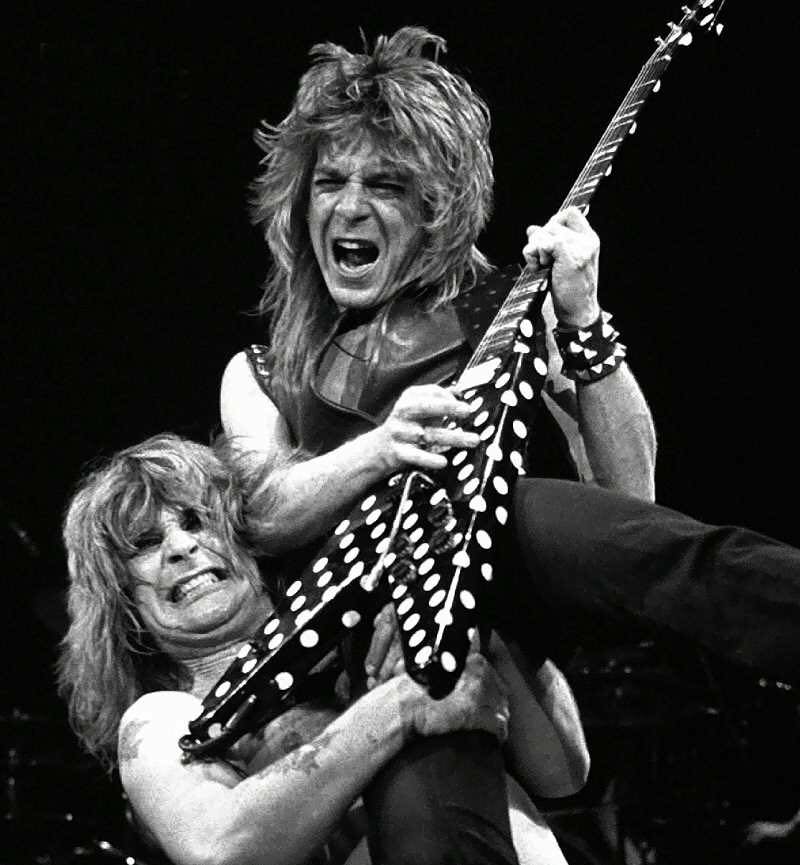
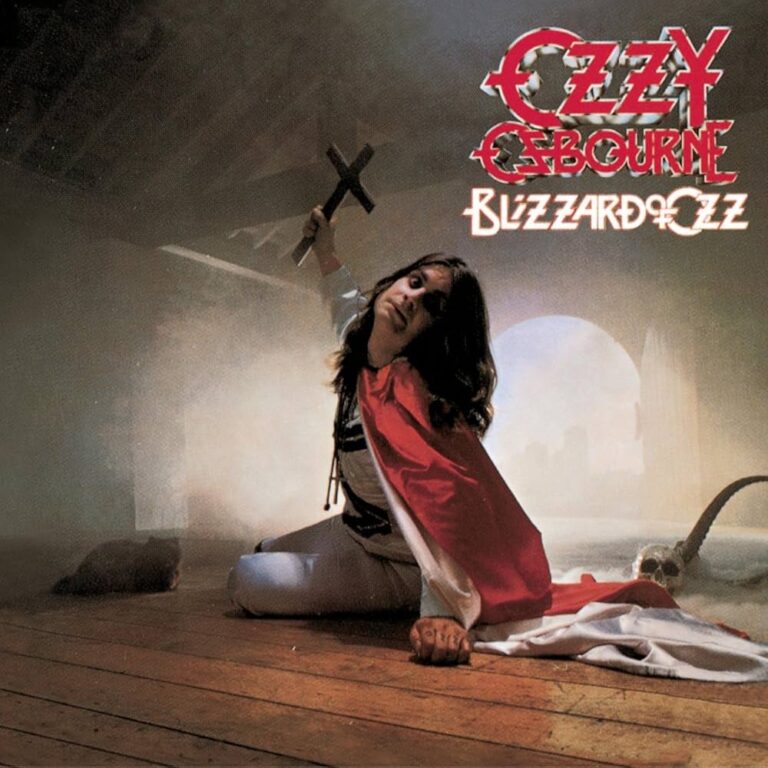 When Osbourne and his new band hit the road in support of the record in the fall of 1980, they took with them a stage show worthy of a Hammer horror production, featuring gothic arches, pyrotechnics, lasers painting bats and inverted crosses in the air, and the singer entering to the eerie strains of Carl Orff’s “O Fortuna.” Meanwhile, Ozzy became a target of the burgeoning Satanic Panic, as wild (and patently false) rumors of onstage animal cruelty, specifically that he killed puppies on stage, swirled among the Christian right. (On a personal note, I first heard the dog sacrifice story in elementary school from a social studies teacher who related it, grim-faced and in excruciating detail, to a room of shocked 4th graders before Ozzy’s April 1982 concert in my hometown of Johnson City, Tennessee. It struck me as horseshit even then; Most of my credulous classmates bought it hook, line and sinker.)
Despite his newfound success and virtual rebirth, Ozzy’s demons and tragedy were never far behind. While on tour in support of Blizzard of Ozz‘s follow-up, the equally essential Diary of a Madman, Randy Rhoads lost his life in a freak airplane accident. A grief-stricken Ozzy, again sure that his career was over, managed to carry on, self-medicating with booze and drugs.
When Osbourne and his new band hit the road in support of the record in the fall of 1980, they took with them a stage show worthy of a Hammer horror production, featuring gothic arches, pyrotechnics, lasers painting bats and inverted crosses in the air, and the singer entering to the eerie strains of Carl Orff’s “O Fortuna.” Meanwhile, Ozzy became a target of the burgeoning Satanic Panic, as wild (and patently false) rumors of onstage animal cruelty, specifically that he killed puppies on stage, swirled among the Christian right. (On a personal note, I first heard the dog sacrifice story in elementary school from a social studies teacher who related it, grim-faced and in excruciating detail, to a room of shocked 4th graders before Ozzy’s April 1982 concert in my hometown of Johnson City, Tennessee. It struck me as horseshit even then; Most of my credulous classmates bought it hook, line and sinker.)
Despite his newfound success and virtual rebirth, Ozzy’s demons and tragedy were never far behind. While on tour in support of Blizzard of Ozz‘s follow-up, the equally essential Diary of a Madman, Randy Rhoads lost his life in a freak airplane accident. A grief-stricken Ozzy, again sure that his career was over, managed to carry on, self-medicating with booze and drugs.
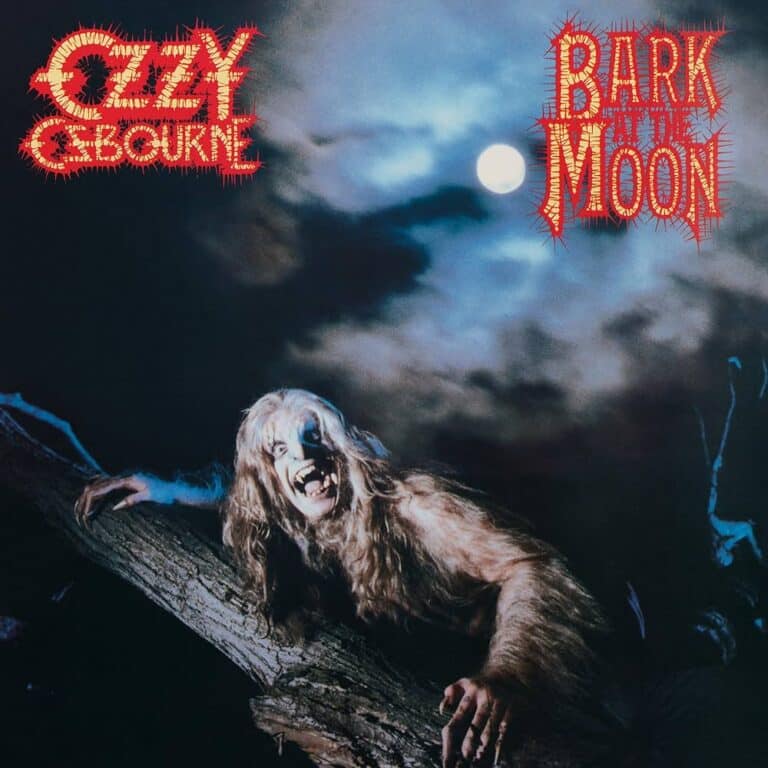 Released in 1983, Bark at the Moon marked Ozzy’s entry into the MTV era, with his first music video, a clip for the album’s title track. The video, a mini horror film that combines elements of Strange Case of Dr. Jekyll and Mr. Hyde and The Wolfman, depicts Osbourne as a mad scientist imbibing of a noxious cocktail that transforms him into a snarling, rampaging werewolf, courtesy of the makeup effect wizardry of Gregory Cannom, who would go on to win an Academy Award for Bram Stoker’s Dracula a decade later. Bear in mind that Osbourne’s beastly onscreen metamorphosis occurred a month before Michael Jackson would take a lycanthropic turn in the Thriller video. Bark at the Moon also featured Ozzy’s new axman (and uncredited writing partner), Jake E. Lee, who would acrimoniously exit the band after 1986’s The Ultimate Sin.
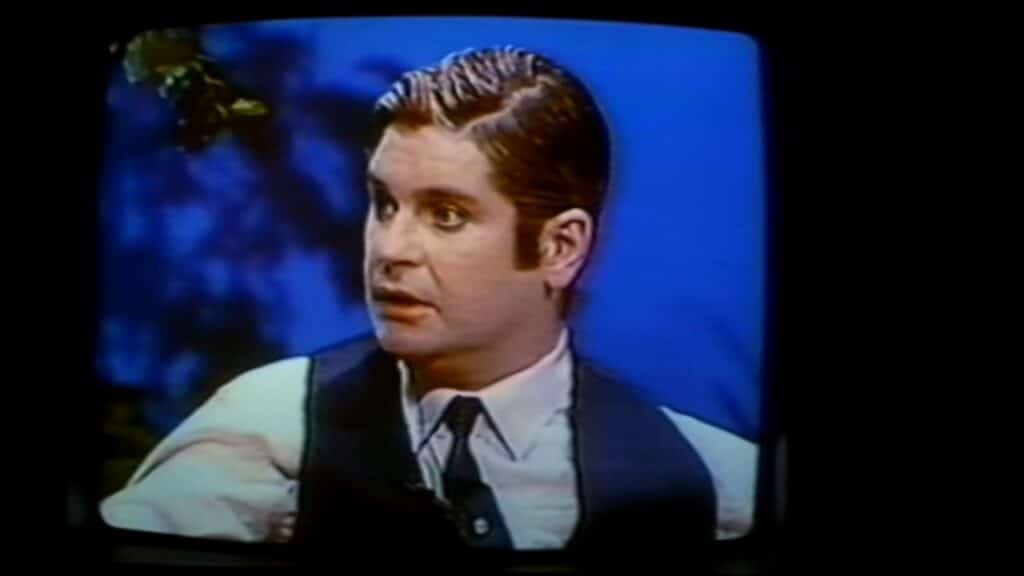
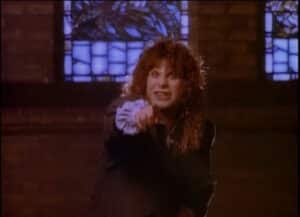
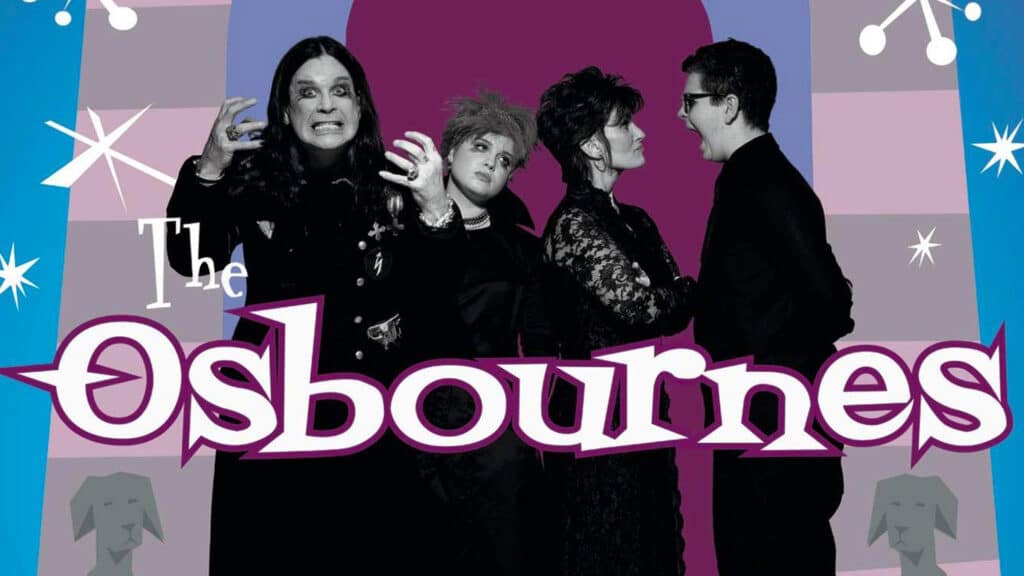 Having never lost musical relevance, even during the rise of grunge and hip-hop, Ozzy Osbourne entered the 2000s as an elder statesman of heavy metal. Founded in 1996, Ozfest, the annual music festival bearing his name, was among the most profitable and popular events in the history of entertainment. However, the Prince of Darkness would soon enter a world that would lead to heightened mainstream exposure and an unexpected level of popularity outside his legendary musical endeavors: reality TV. When The Osbournes premiered in 2002, no one expected that the man once reviled as a corrupting influence would become the world’s most beloved TV dad. The MTV show, which would become one of the network’s most popular post-music video era offerings, brought audiences into Ozzy’s often chaotic home and family life. Despite wealth and fame, Ozzy, Sharon, and the kids, daughter Kelly and son Jack, were surprisingly relatable, facing the same joys, challenges, and tragedies as any family, taking life on with humor, compassion and endless profanity. Although some detractors protest that The Osbournes “made a joke” of Ozzy, admittedly with some justification (there are moments in which the overmedicated patriarch’s antics verge on cringeworthy), the show confirmed what millions of loyal metalheads knew or at least intuited. Ozzy was a good man with a big heart and boundless love for his family and fans.
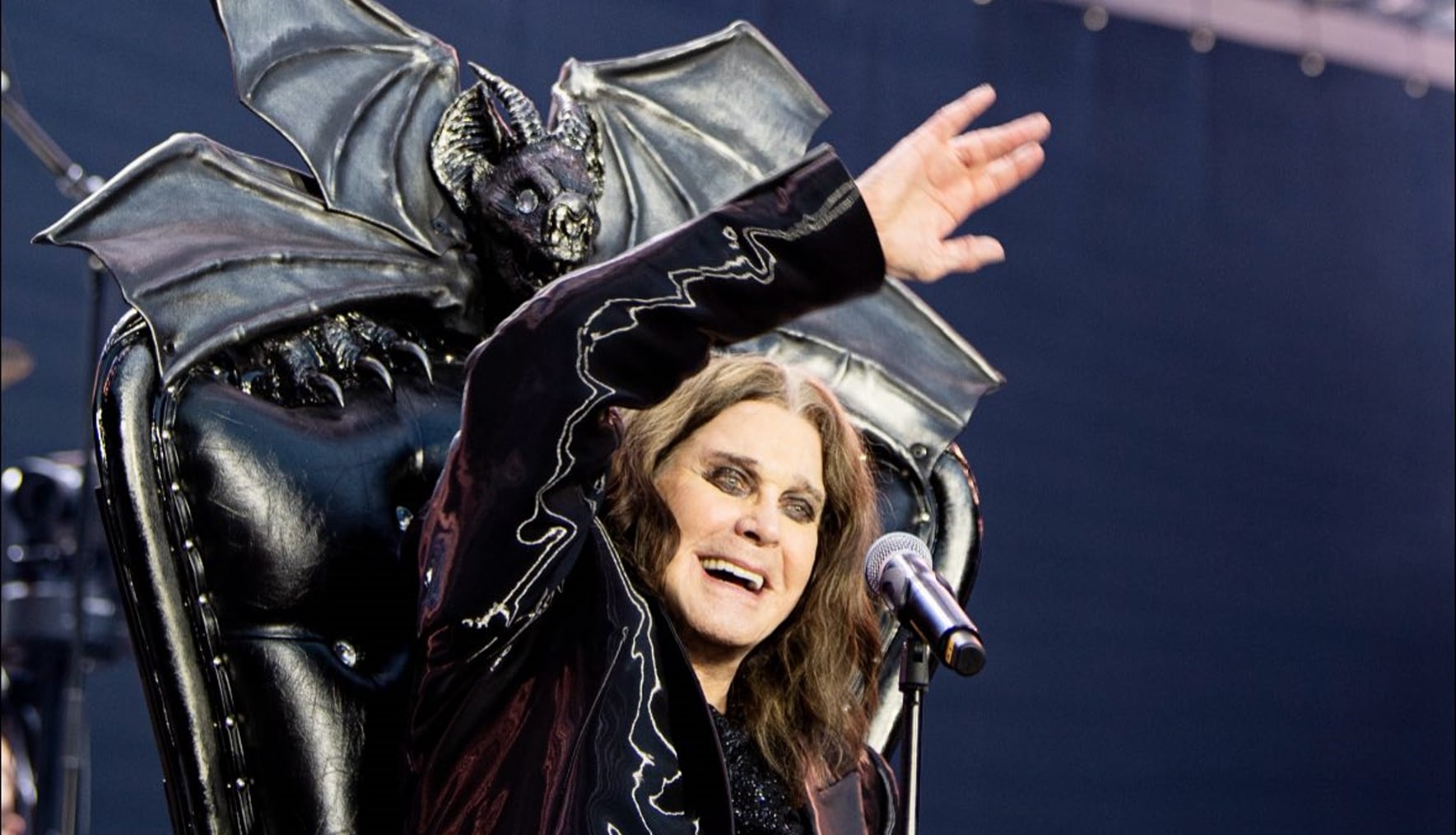
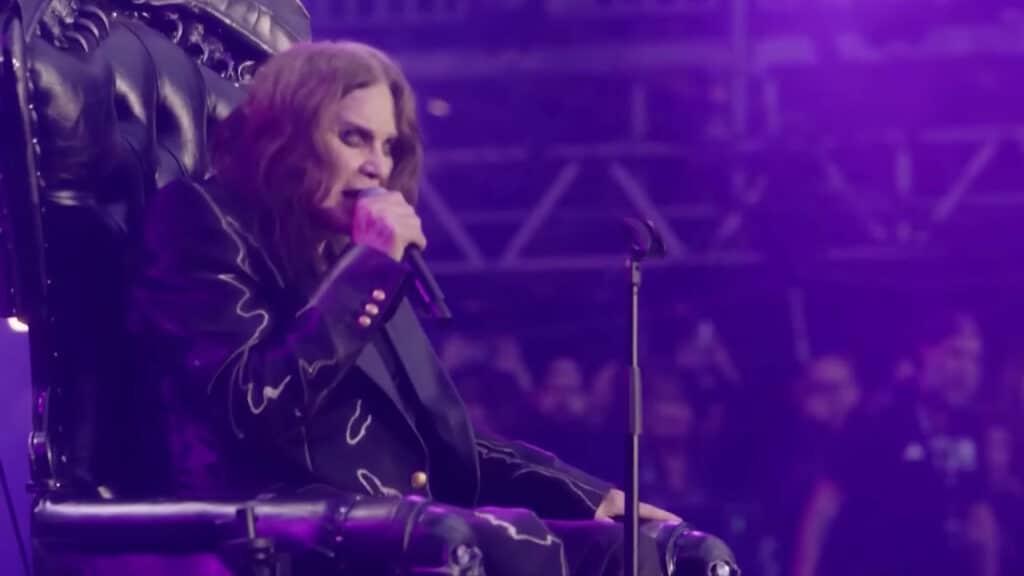 In the ensuing decades, Ozzy would retire from touring (No More Tours), declare that “retirement sucks,” reunite to record and tour with his old mates in Sabbath, embark on more reality TV projects with his family (Ozzy & Jack’s World Detour and The Osbournes Want to Believe), retire from touring again (No More Tours II) and continue to release new music. Ozzy Osbourne took to the stage for the last time on July 5, 2025, as part of the Back to the Beginning benefit concert, touted as the final performance of both Osbourne and the original Black Sabbath. Held at Villa Park in Osbourne’s hometown of Birmingham and streamed worldwide, the all-day event featured performances by a host of metal and hard rock luminaries, ranging from Mastadon and Metallica to Steven Tyler and Guns N’ Roses, culminating in a reunion of the original Black Sabbath lineup. Ozzy, singing from an ornate, black throne worthy of metal’s king, ripped through a set of his classic solo material, including a heartwrenchingly poignant rendition of “Mama, I’m Coming Home.” Always appreciative of the fans who put him on top, Ozzy addressed the audience of 45,000: “I don’t know what to say, man. I’ve been laid up for like fucking six years. You’ve got no idea how I feel. Thank you from the bottom of my heart.” Following the solo set’s final song, “Crazy Train,” Iommi, Butler, and Ward appeared for a final jam with their old mate.
Just seventeen days later, John Michael Osbourne, Prince of Darkness triumphant, left us. And what is left to say but we love you, old friend. We will miss you. See you on the other side… and of course, Ozzy rules!
In the ensuing decades, Ozzy would retire from touring (No More Tours), declare that “retirement sucks,” reunite to record and tour with his old mates in Sabbath, embark on more reality TV projects with his family (Ozzy & Jack’s World Detour and The Osbournes Want to Believe), retire from touring again (No More Tours II) and continue to release new music. Ozzy Osbourne took to the stage for the last time on July 5, 2025, as part of the Back to the Beginning benefit concert, touted as the final performance of both Osbourne and the original Black Sabbath. Held at Villa Park in Osbourne’s hometown of Birmingham and streamed worldwide, the all-day event featured performances by a host of metal and hard rock luminaries, ranging from Mastadon and Metallica to Steven Tyler and Guns N’ Roses, culminating in a reunion of the original Black Sabbath lineup. Ozzy, singing from an ornate, black throne worthy of metal’s king, ripped through a set of his classic solo material, including a heartwrenchingly poignant rendition of “Mama, I’m Coming Home.” Always appreciative of the fans who put him on top, Ozzy addressed the audience of 45,000: “I don’t know what to say, man. I’ve been laid up for like fucking six years. You’ve got no idea how I feel. Thank you from the bottom of my heart.” Following the solo set’s final song, “Crazy Train,” Iommi, Butler, and Ward appeared for a final jam with their old mate.
Just seventeen days later, John Michael Osbourne, Prince of Darkness triumphant, left us. And what is left to say but we love you, old friend. We will miss you. See you on the other side… and of course, Ozzy rules!