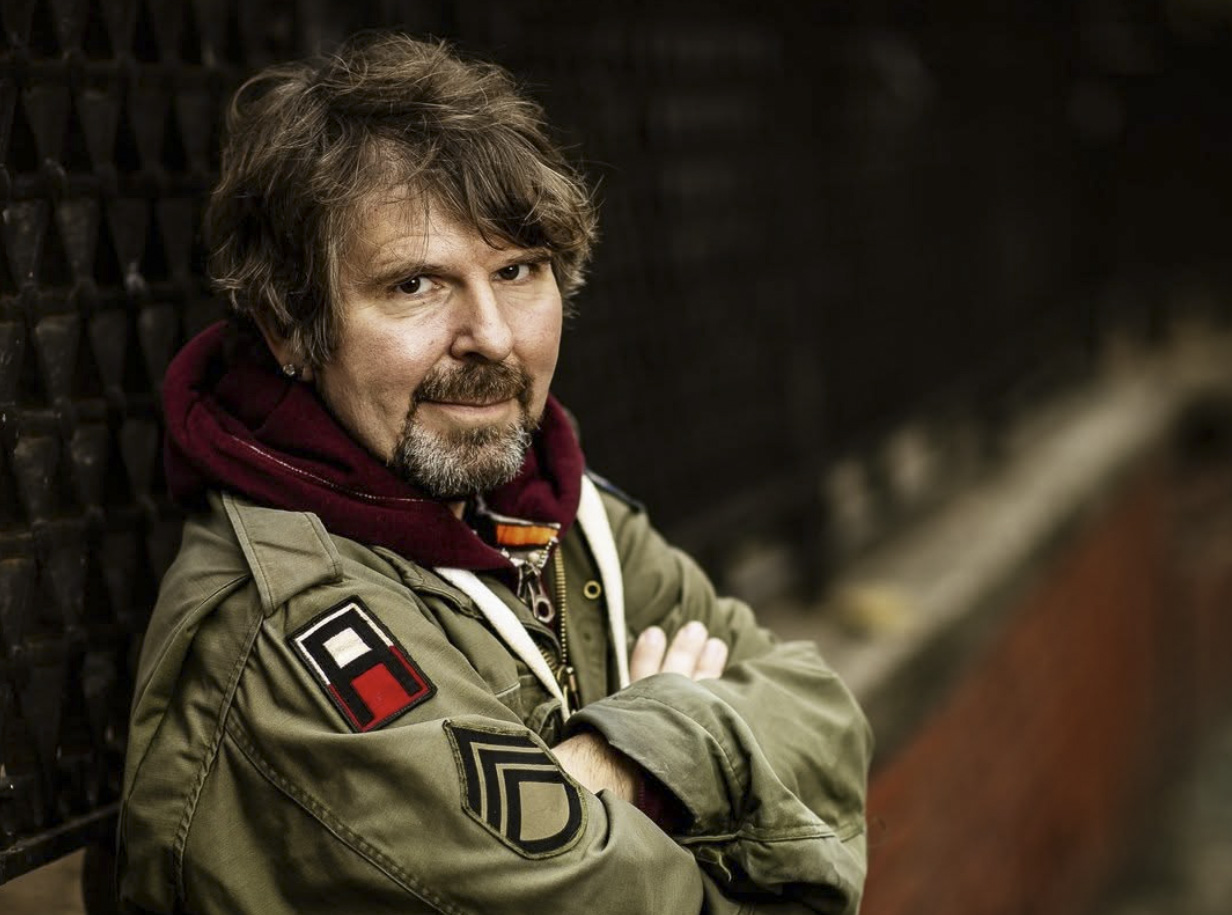

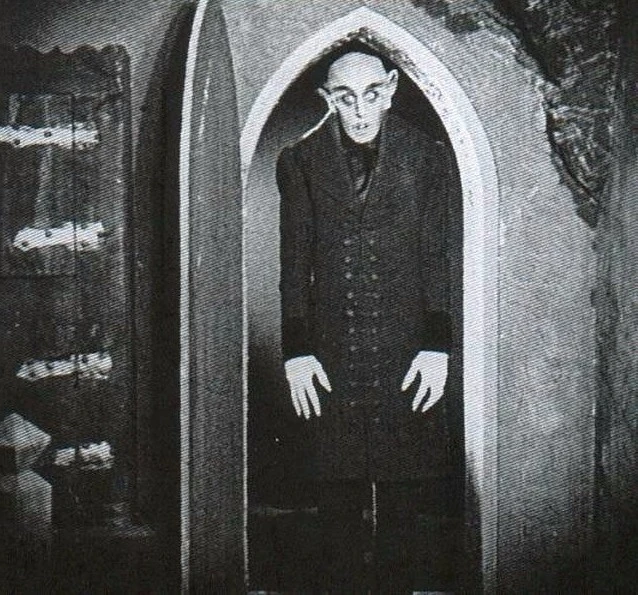
When Pittsburgh pianist Tom Roberts was asked to restore the original 1922 silent horror film NOSFERATU for the film’s 100th anniversary in 2022, he initially thought he’d be writing something, well, scary. The finished product ended up being something completely different, yet still so fitting for the century-old classic. Rather than playing into stereotypical horror score beats, Roberts instead created a solo piano score based on German Romanticism and traditional Romanian music, giving depth and music history that the vampire film had never seen before.
Inspired by Charlie Chaplin, Roberts’ goal after watching the original film was to add emotional dimension to what was onscreen, rather than simply mirror the events of the movie. The score was initially commissioned by the Pittsburgh Silent Film Society for a March 4th, 2022 anniversary screening of NOSFERATU. After sitting down and watching the whole film for the first time, Roberts, who is one of the country’s leading experts in jazz piano, nixed the idea that he had to simply write a horror score, instead struck by the sheer artistry of the film.
”The film gave me far more to work with than horror,” Roberts says of the score he crafted. “It’s a story about longing, isolation and beauty, and the music needed to hold all of that, not just the fear.”
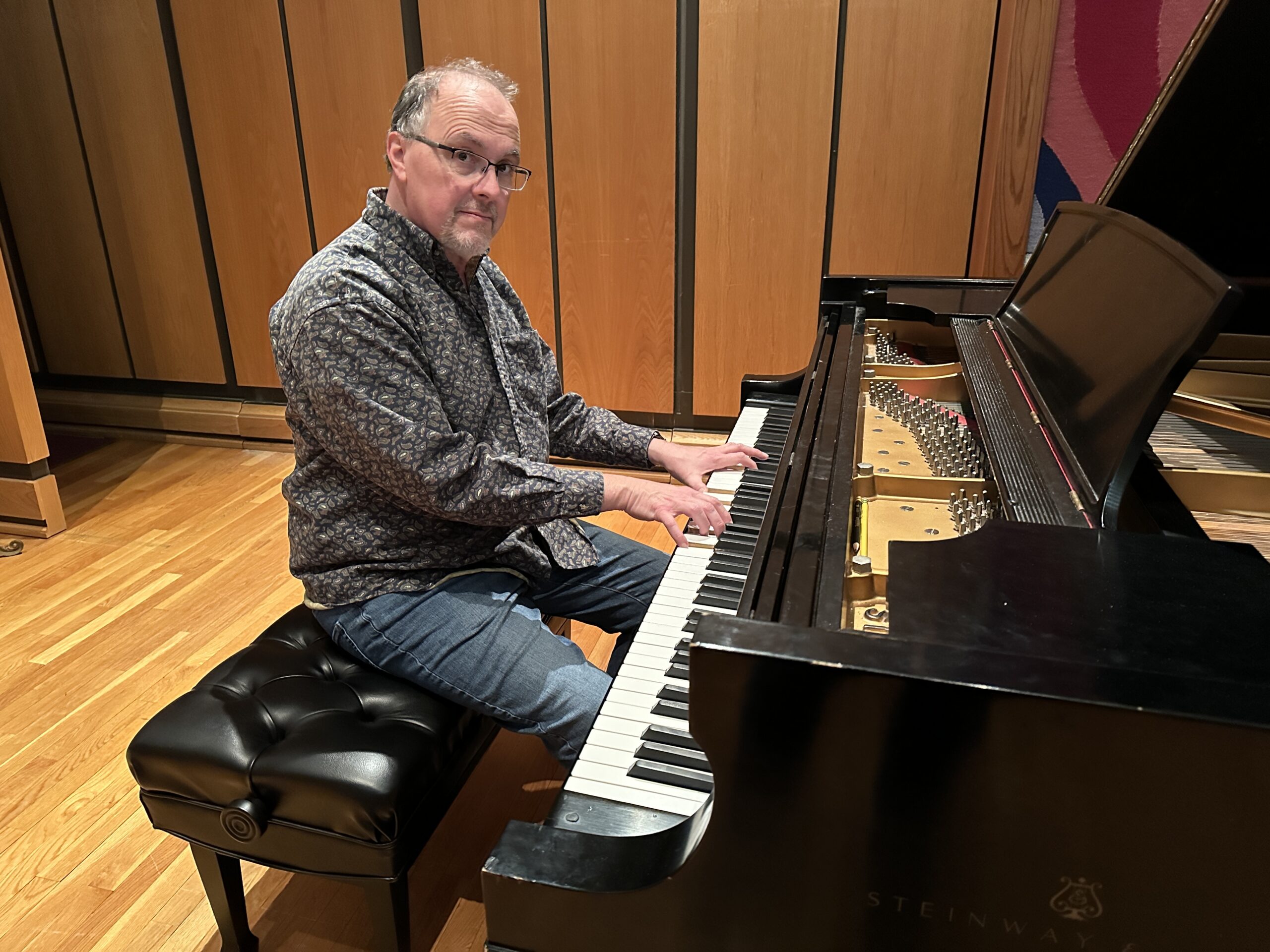
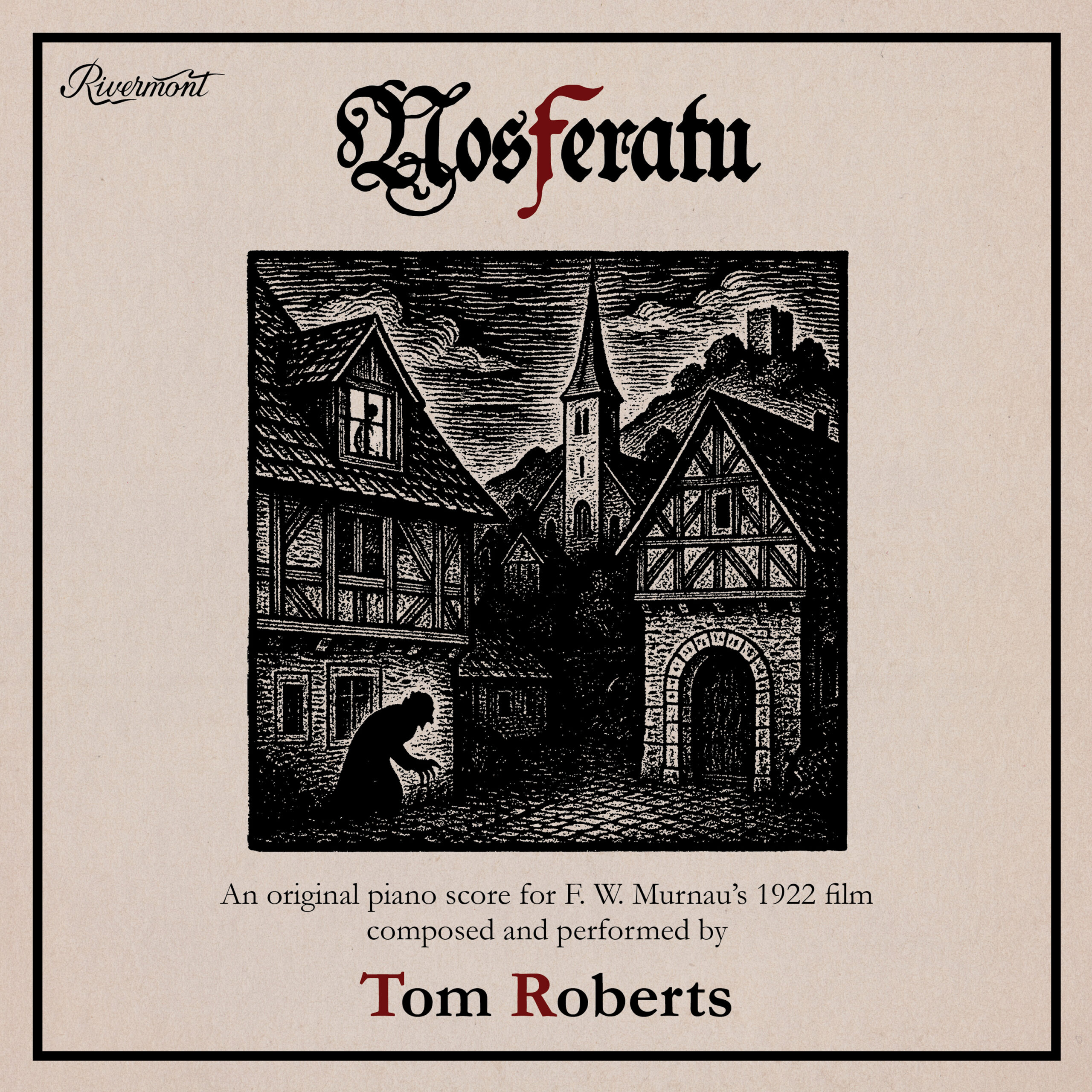
The score was first released to the public in 2025, but now is being reissued this Halloween season by Rivermont Records. Roberts, who is an internationally recognized jazz composer and pianist known for his musical arrangements in Martin Scorsese’s The Aviator, drew upon German Romantic composers such as Schuman., Schubert, and Brahms, along with traditional Romanian and Romani music. His goal was to create a kind of contrast to what you see on screen, pairing the horror with a kind of classical romance and beauty you don’t often find in horror scores. For Roberts, it was about more than silent film accompaniment – it was about creating a whole new atmosphere.
“My goal is to ultimately plunge the audience into the shifting worlds of NOSFERATU,” he says. “Not just through visuals, but through the music I created to surround them.”
The album is available on both CD and vinyl, and is a loving reimagining of the silent horror film classic. The finished score is performed entirely on piano, but in composing this particular arrangement, Roberts began his project by conceiving it orchestrally. Using techniques that Franz Liszt used in his piano transcriptions of Beethoven, the pianist started big and stripped it down, never sacrificing any of the score’s depth as a result.
“I write away from the piano on purpose,” says Roberts on this process. “If I sit down at the keys first, I start reaching for what’s familiar instead of what the scene actually needs.
Some scenes, including when Thomas Hunter is traveling towards Count Orlok’s castle, Roberts additionally utilized the stylings of Romanian Romani ensemble Taraf de Haïdouks, adapting two of their arrangements for solo piano.
Prior to the album being released, when the project was first conceived in 2022 for the 100th anniversary screening with the Pittsburgh Silent Film Society, Roberts had to compose the feature-length score and perform the entirety of it by himself.
“I devoted nearly every waking hour, and quite a few dreaming ones, to composing this score,” he says.
Rivermont Records, the company reissuing Roberts’ score, was founded by pianist and musicologist Bryan Wright, PhD, in 2003, and is devoted to preserving ragtime, jazz, and “hot dance” music. Tom Roberts’ Nosferatu score is a unique project for them, but one they take an immense amount of pride in.
“We built Rivermont around the idea that historic American music deserves serious, modern attention,” says Wright. “Tom’s Nosferatu score is exactly that kind of project, just coming at it from an unexpected angle. It’s one of those recordings where you don’t need to know anything about silent film to be moved by it. The music stands entirely on its own.”
As for Tom Roberts, he is excited to have the music he composed reach a wider audience. It’s a bold departure from the traditional “scary music” that is found in horror movies, specifically that of the silent film period, but one that is destined to be preserved and promoted by classical music enthusiasts and horror fans alike.
”I didn’t want to make Nosferatu scarier,” Roberts says. “I wanted to make it human.”
Tom Roberts’ Nosferatu is now available on CD and vinyl from Rivermont Records.