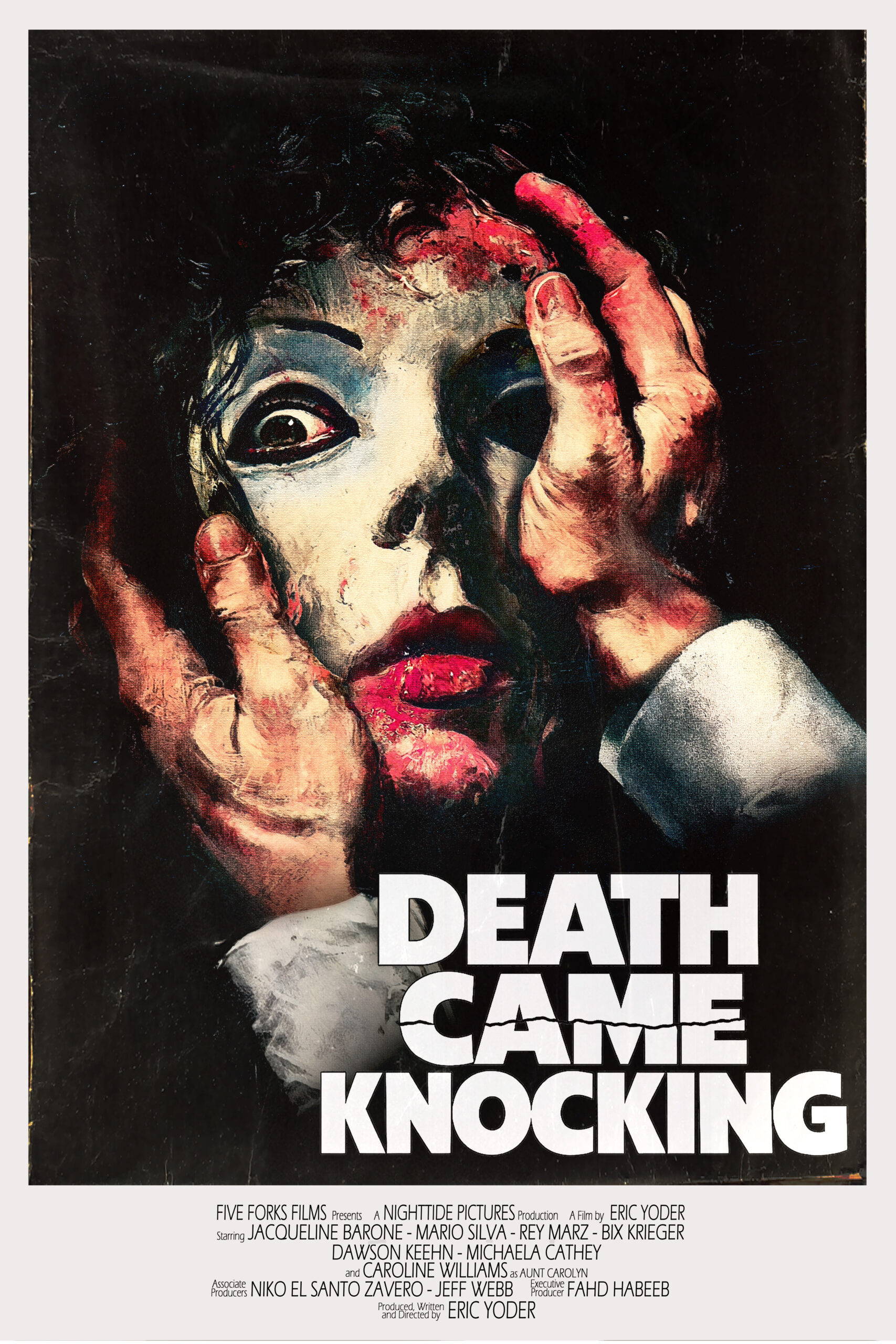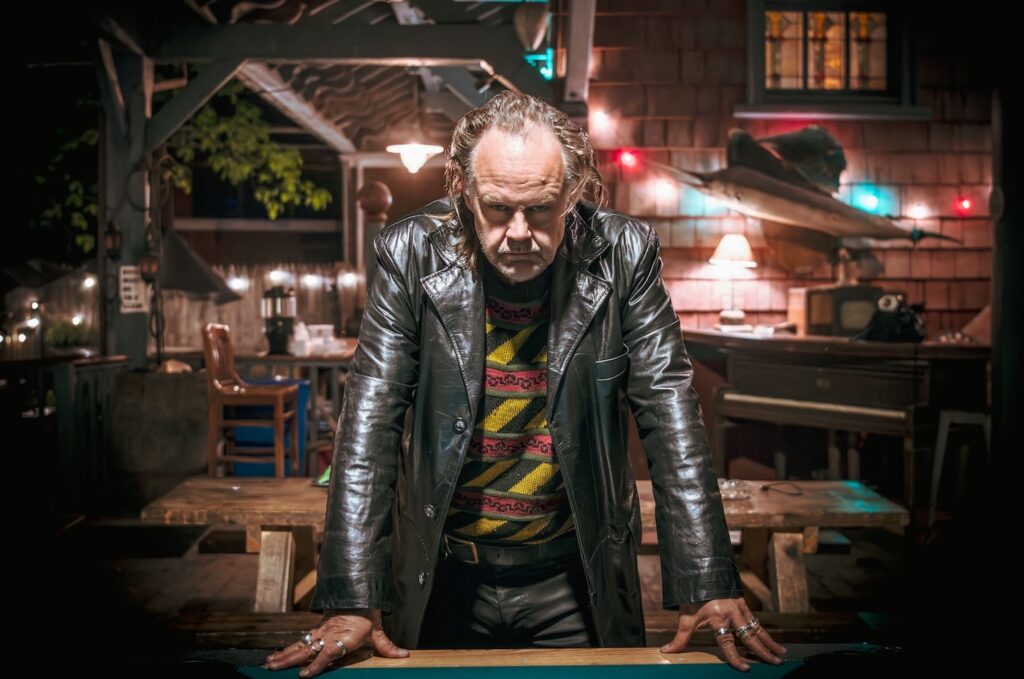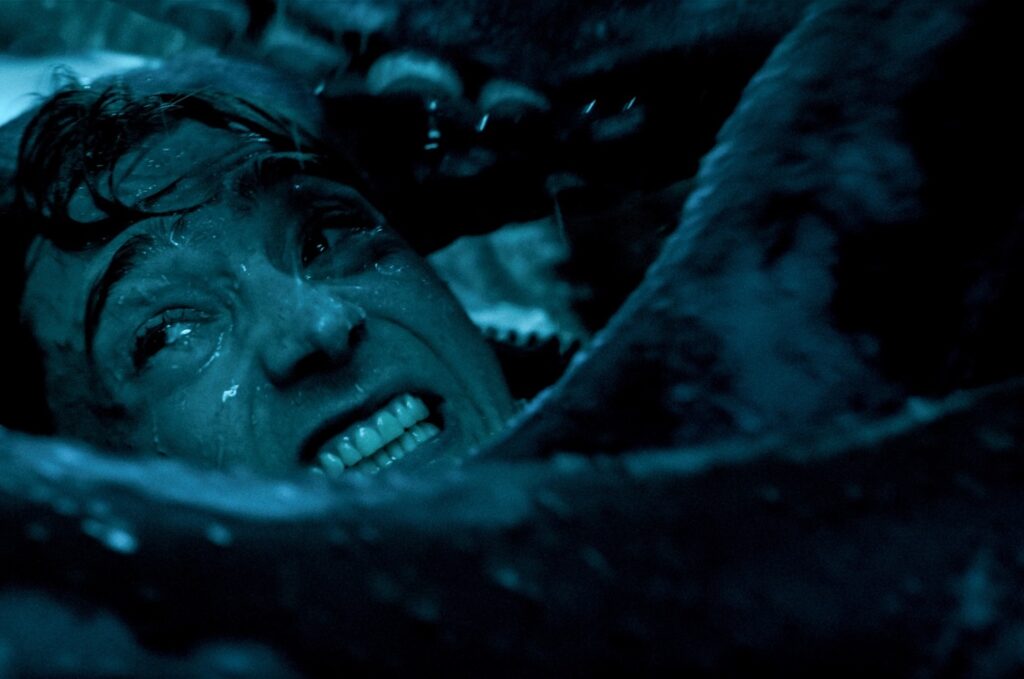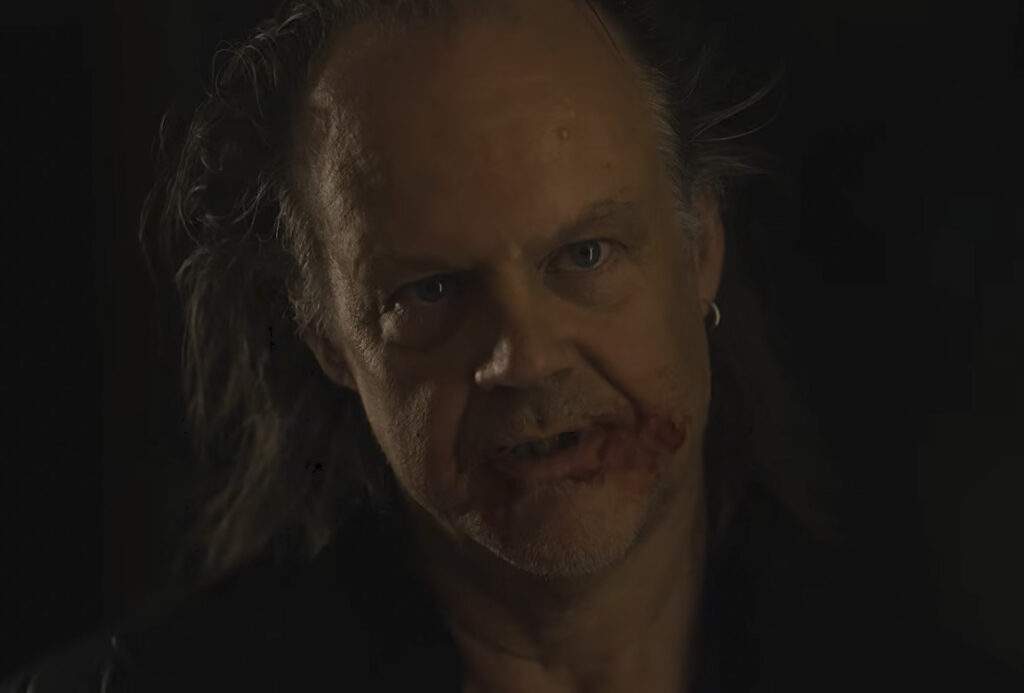
Despite all the glisten and gleam that modern moviemaking technology can bring to your local theater, there’s an element of nostalgia forever entrenched in the grit that only 16mm film stock can produce. Run a story influenced by exploitation cinema of the ‘70s underneath those grainy visuals and watch viewers flock to the screen—or hide their eyes in shock.
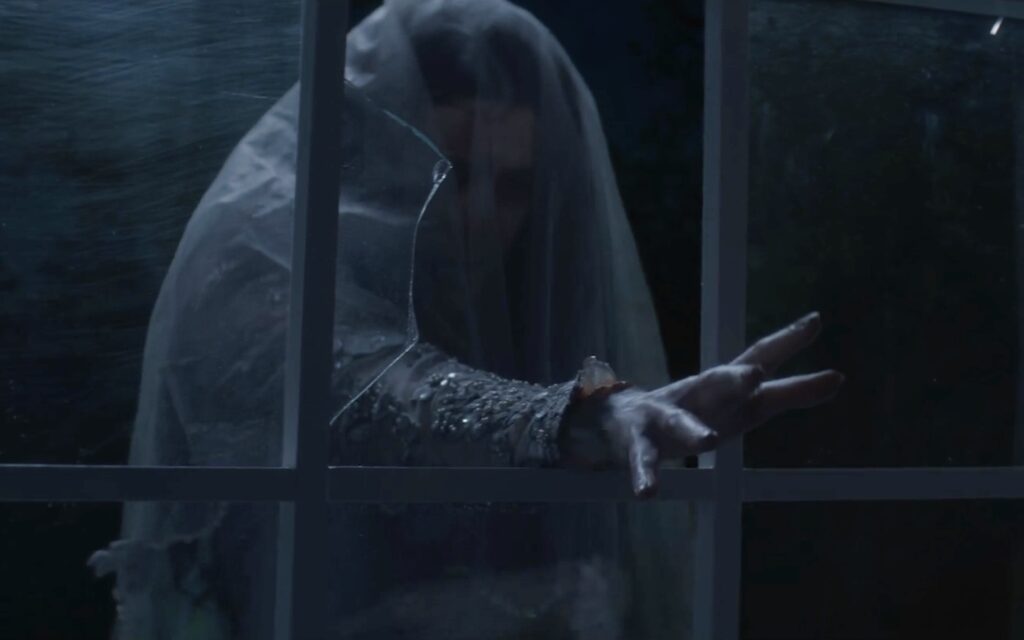
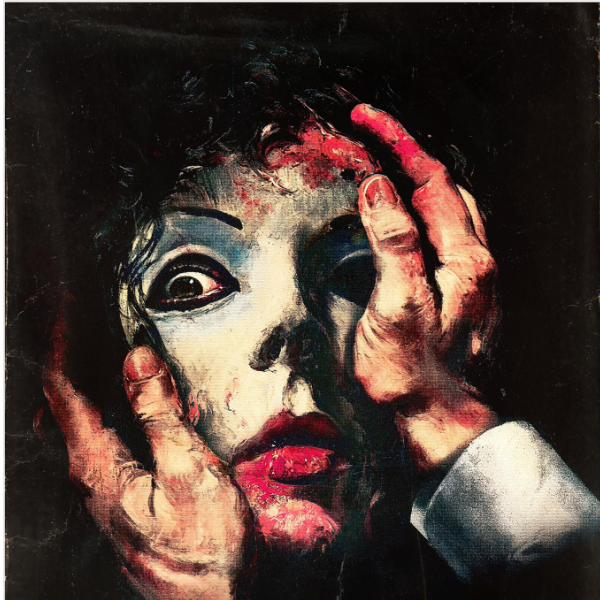
That’s a gamble that director and special makeup effects maestro Eric Yoder undertook when shooting DEATH CAME KNOCKING. Starring Caroline Williams (The Texas Chainsaw Massacre 2), the film layers grindhouse sensibilities into the primal fear of home invasion, creating a slow-burn effort that ramps up to a grisly third act made even more visceral by the practical effects used in the set pieces.
Yoder’s film is currently playing festivals around the country, including alongside an appearance with Williams at Nightmare in the Ozarks this October. The director set aside time to discuss his work with RUE MORGUE.
What was your inspiration for the film and how did everything come together, including the casting of genre icon Caroline Williams and the choice to shoot on 16mm?
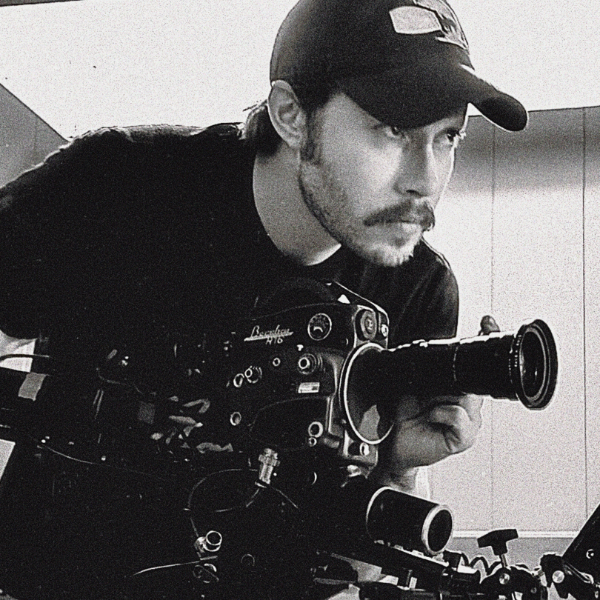
I’ve always been drawn to the grimy, dirty look of horror films from the 1970s. There is something about them that gives a feeling you do not see today in horror/thrillers. It had always been a goal of mine to make a film that felt like it could have actually come from that period rather than simply making a modern movie that was inspired by it.
That was one of the biggest reasons shooting on 16mm was so important to me. You can digitally recreate grain and some of it looks convincing, but it still does not have the same impact as actually shooting the real thing. I wanted to approach the production as closely as possible to how a small independent horror film might have been made in the 1970s.
With the small production came its own challenges. I knew I had to create a very contained story with little characters. Since most of the budget went to film stock and developing, I knew that having only a handful of characters and one setting was ideal. That is also why I had to shoot and light the film myself, but everyone was needed to do multiple jobs.
Caroline Williams was my first and only choice for Aunt Carolyn. She is obviously a fantastic actress, but what made me want her for the film was that she immediately understood what I was trying to make. She really embraced the rougher ‘70s approach and was genuinely enthusiastic about us shooting the movie on film. Having somebody with her history in the genre come in and completely understand the kind of movie we were making meant a lot to me.
Anyone who watches this will realize you’re an exploitation fan! The DNA of two films in particular—The Last House on the Left and I Spit on Your Grave—is unmistakable within DEATH CAME KNOCKING. But those are hard to digest for even the most hardened of genre fans. Do you feel the risk of tackling such divisive subject matter may turn some viewers away, and if so, is it worth the risk?
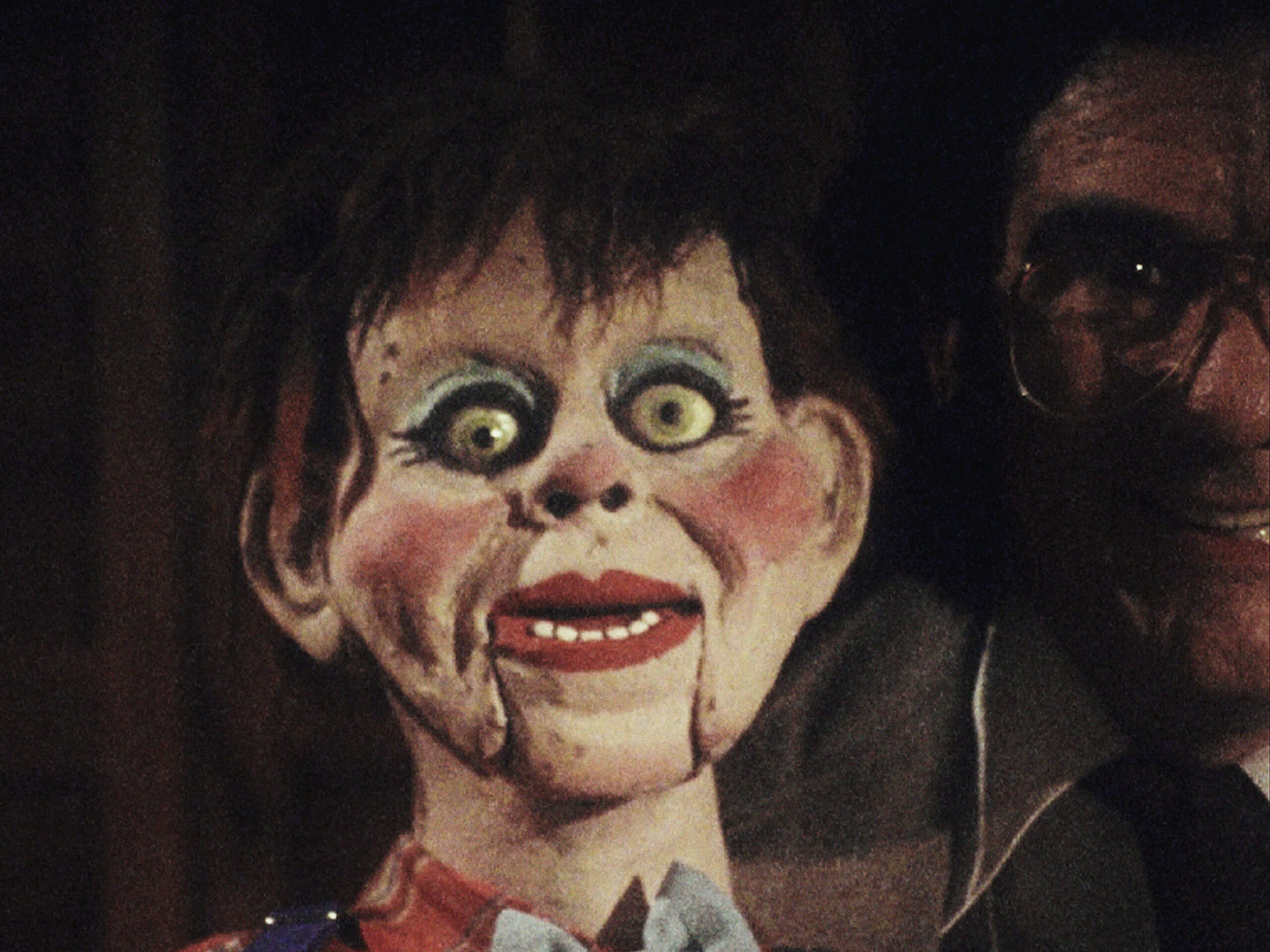
If you are going to make a film that is clearly influenced by something like The Last House on the Left or I Spit on Your Grave, you have to accept that some people are going to have a difficult time with the subject matter. Those films were never designed to be comfortable experiences, and I do think there will be people who watch this film and decide it is simply not for them.
What has always interested me about those films is not necessarily how graphic they are, it is how raw they feel. At their best, they make you feel like you are trapped in the situation with the characters. That was much more important to me than trying to compete with those films in terms of shock value.
I did not want to shy away from the ugliness of what happens to these characters because I think doing that would take away some of the horror. Violence in this movie is supposed to feel ugly and upsetting, rather than entertaining in the traditional sense. Once you deal with material like that, some people are naturally going to call it exploitative. I understand that reaction, especially considering the films that influenced it.
For me, the question was always if what we were showing served the story. I never wanted something in the movie simply because it would be shocking. The uncomfortable moments are there because the situation itself is uncomfortable.
There are some gnarly kills, made even more impressive because your effects are practical. How did you create some of these scenes within the ever-present budgetary constraints of an indie film shoot?
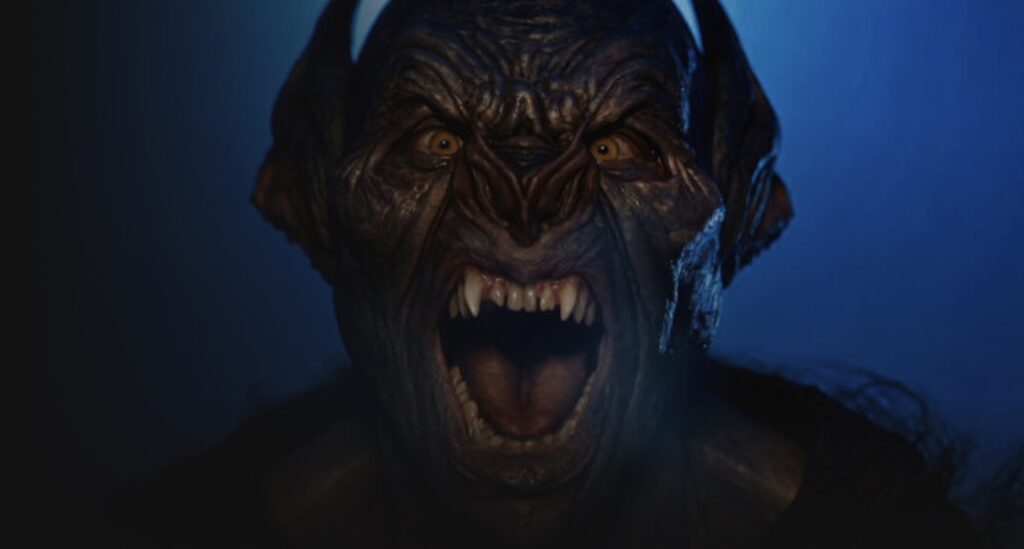
Special makeup effects are what I do professionally, so that definitely gave us an advantage when figuring out how much we could accomplish with a limited budget. Monique Paredes and Jake Porath, who are both amazing effects artists, helped me create the practical work for the film, and we were able to stretch the resources we had.
At the same time, I never wanted DEATH CAME KNOCKING to become a movie that existed purely to show off effects. Some of my favorite violence in older horror films is actually very restrained. They might show you one horrible detail and let your imagination fill in everything else; I tried to approach a lot of the violence that way.
Being an effects artist also changed the way I wrote the script. I knew what we could realistically build, what techniques would work and, in some cases, what pieces or materials we already had available. Instead of writing a huge effect and then figuring out how we could possibly afford it, I could write scenes around things I already knew we could pull off convincingly.