
Starring Tom Rhys Harries, Naomi Ackie and Max Minghella
Directed by James Watkins
Written by Mike Flanagan and Hossein Amini
Warner Bros.
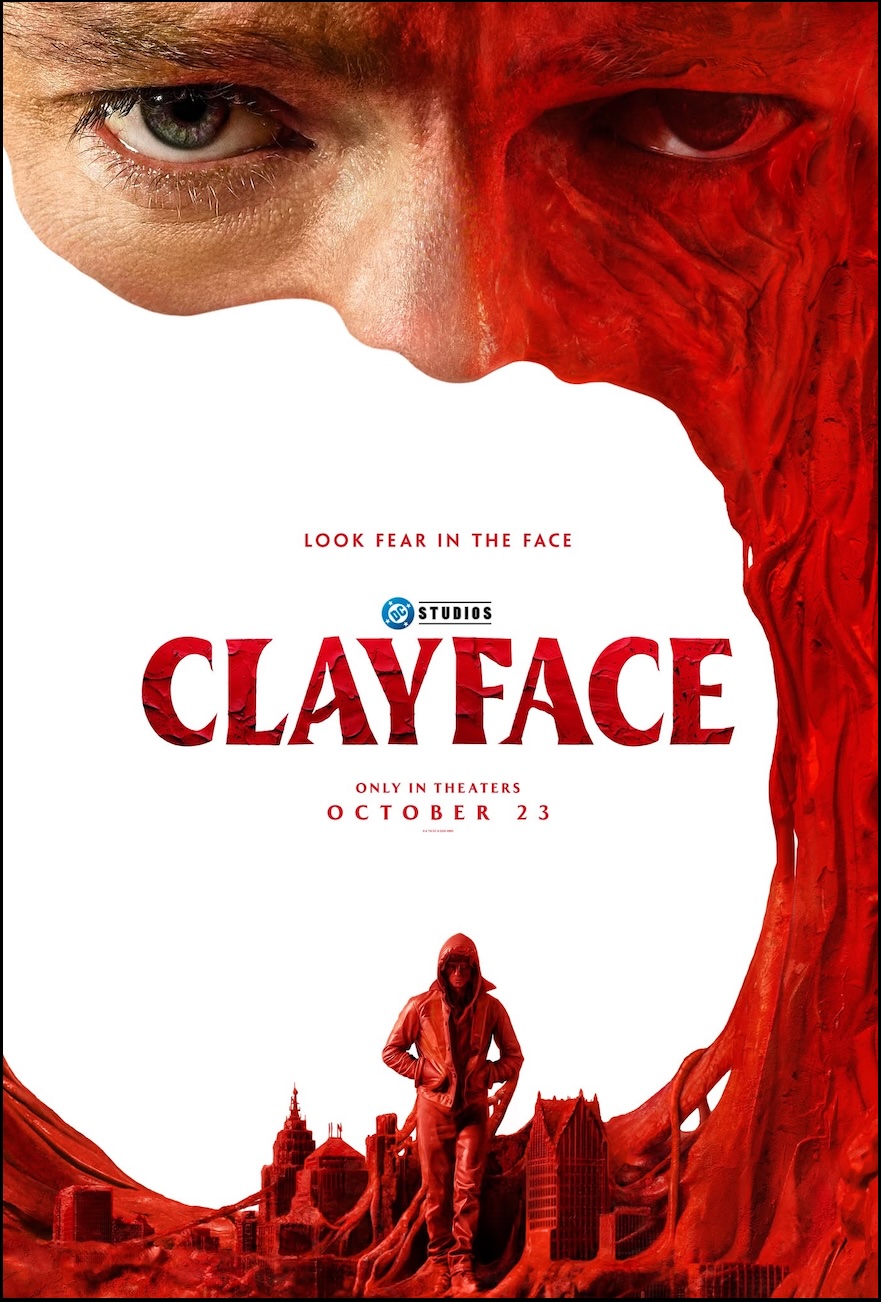
Back when Sam Raimi’s DARKMAN first opened, Raimi noted that after coming up with and developing the original story, he realized its similarities to Batman. Now, four decades later, comes CLAYFACE, a Batman-villain origin film that gives off serious DARKMAN vibes. The new movie is a harder R than the older one, however, and it goes into more painfully gruesome territory than any prior DC Universe (not to mention Marvel Universe) feature as well.
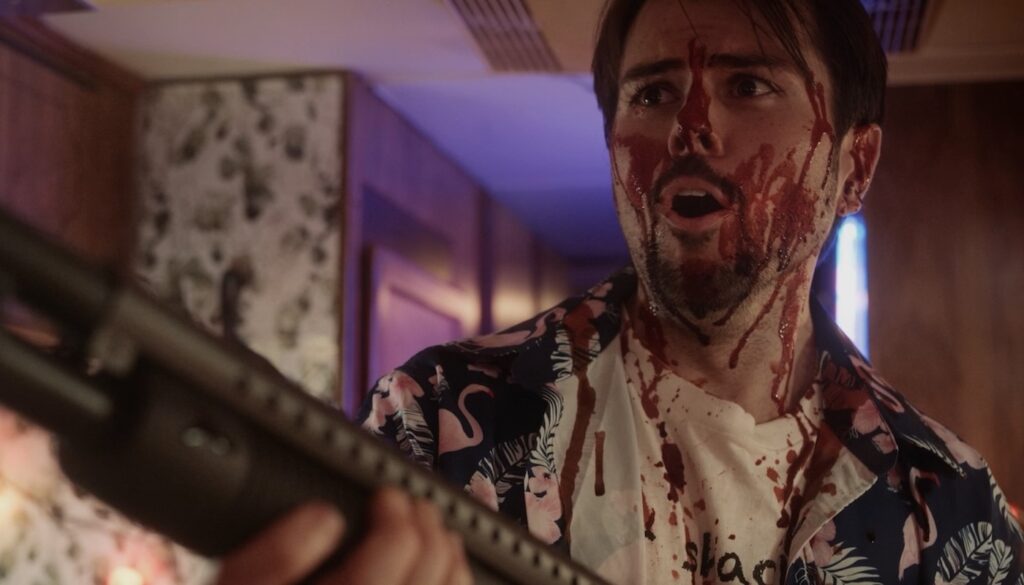
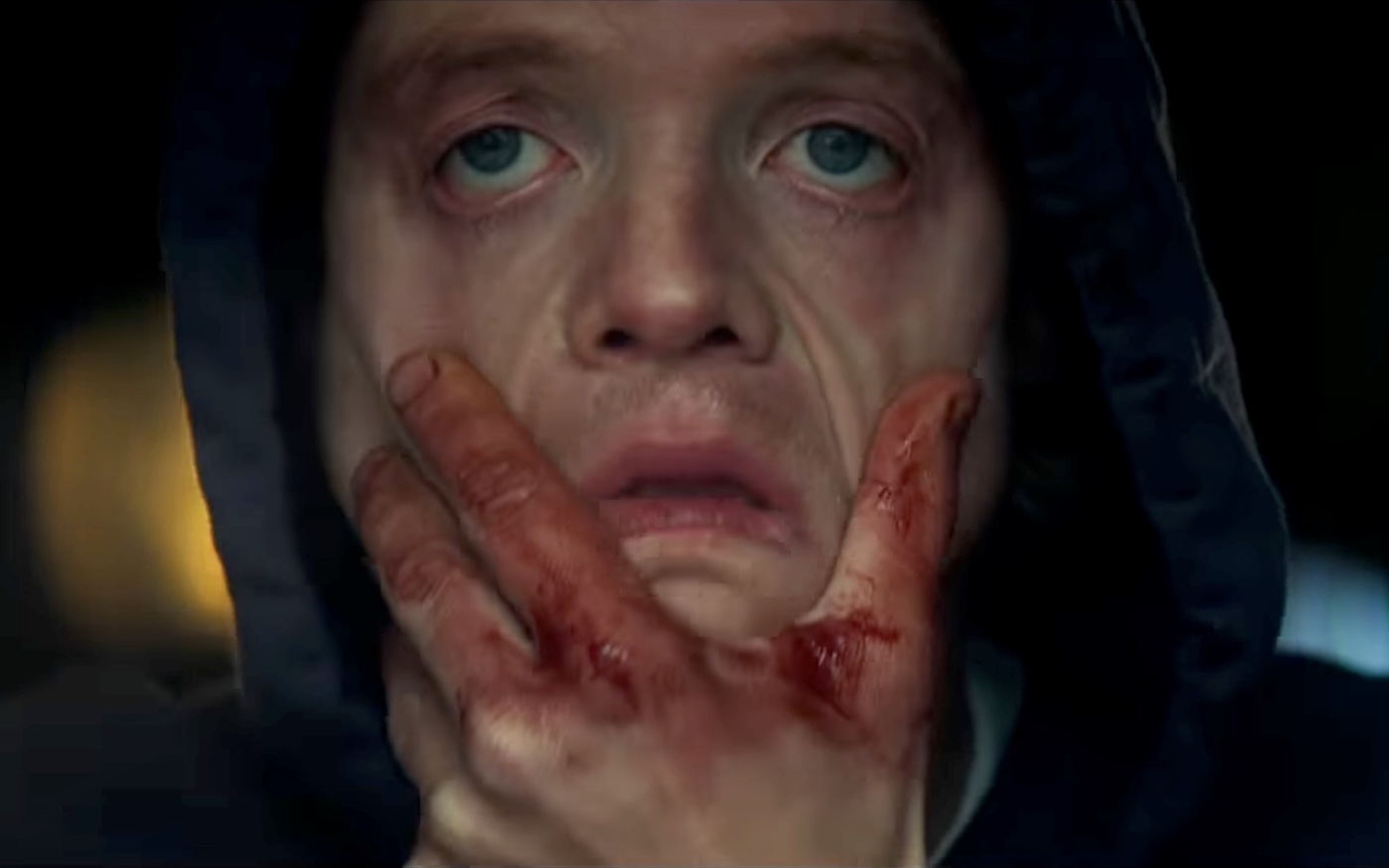
The commitment to unflinching horrific touches is one of the best things about CLAYFACE; another is the performance by Tom Rhys Harries in the title role. (Fun Fact: In this year’s British drama MADFABULOUS, Harries plays a character surnamed Durant, just like Larry Drake’s DARKMAN villain.) As the film opens, Harries’ Matt Hagen is on top of the world, or close to it: He’s a movie star on the rise who’s just received a Best Actor nomination in Gotham City’s version of the Oscars. In a mood to celebrate that impedes his impulse control, he lets himself get picked up in a nightclub by Mia Torrez (Joana Ribeiro), despite his best bud Corey Bowery’s (Joshua James) warning that she’s the girlfriend of crime boss Markus Szabo. The next morning, Matt wakes up with a naked Mia in bed next to him and Szabo (David Dencik) and his goons in the room with them, and ends up with a badly mutilated face.
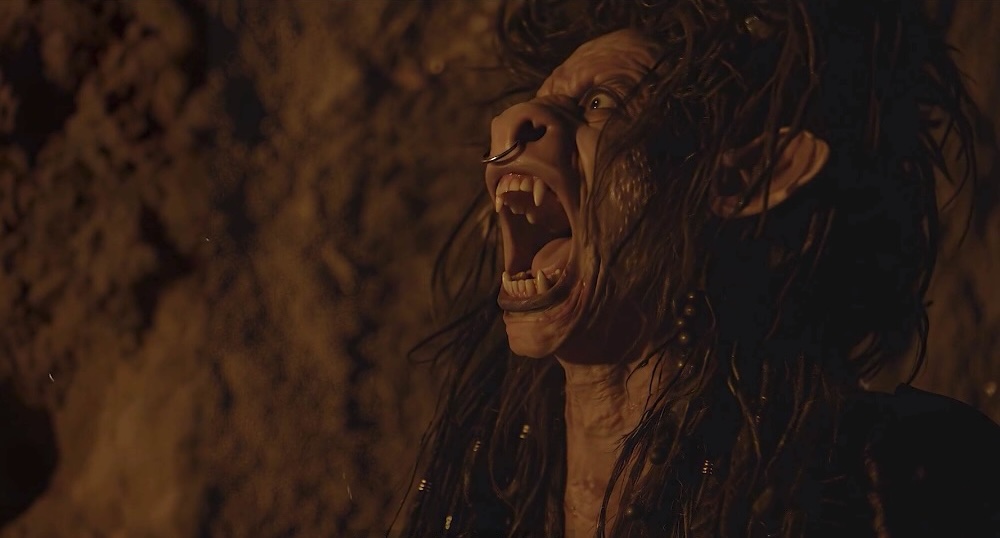
Matt’s disfigurement is one of a few scenes in CLAYFACE that might make even hardened horror fans look away, thanks to the prosthetic effects work by Kristyan Mallett (a DC Studios regular whose credits also include SAINT MAUD and THE AUTOPSY OF JANE DOE) and Legacy Effects. It quickly kiboshes his career, and since Szabo owns the cops and many others in Gotham, no punishment for the crime is forthcoming and his reputation is ruined. (The city is the familiar hive of crime and corruption, though unless I missed something in the production design, there’s no hint of Batman or Bruce Wayne here.)
Potential salvation appears in the person of Dr. Caitlyn Corr (Naomi Ackie), who has developed nanotechnology that can heal damaged flesh. Although she asserts that it’s not ready for human trials, Matt is more than ready to be a test subject, and soon he’s back to his handsome self. But needless to say, there are side effects, and they come to include the ability to facially and physically mimic anyone Matt comes into contact with (and, in one provocative scene, anyone he dreams about). This will be a great help when comes to seeking payback against those who have wronged him…
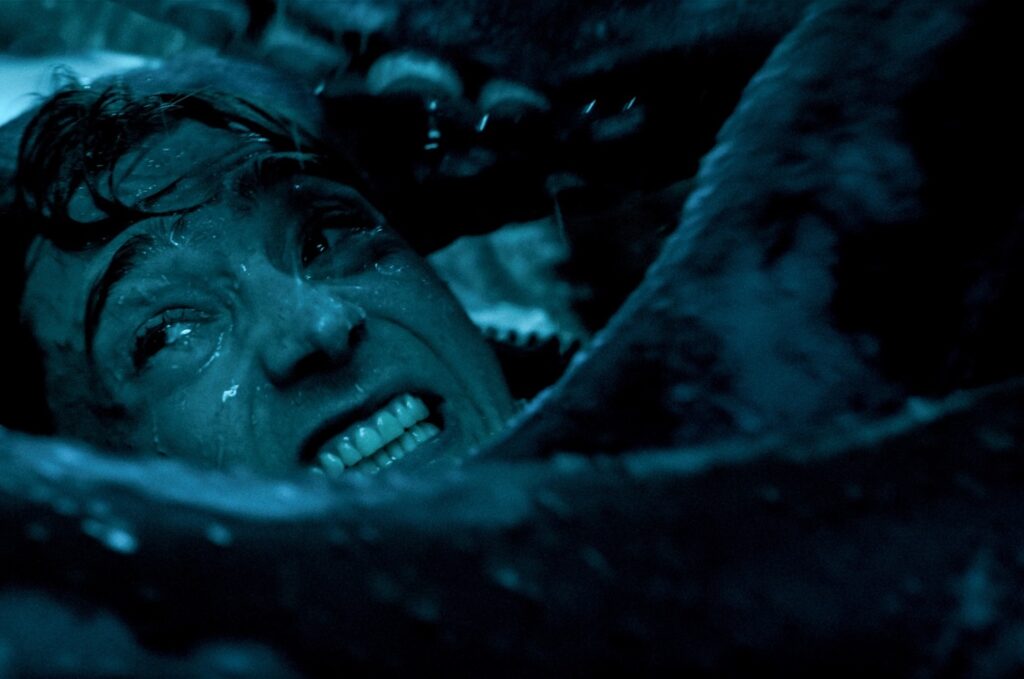
Within the basic structure of a revenge thriller with horror and sci-fi trappings, CLAYFACE also incorporates themes of identity, morality, the pursuit of physical self-perfection and the wages of vengeance. It’s easy to see why this concept appealed to screenwriter and initial director Mike Flanagan, who always finds the deeper human meanings in his genre projects, though as rewritten by Hossein Amini and helmed by James Watkins (THE WOMAN IN BLACK, the SPEAK NO EVIL remake), the movie doesn’t delve too deeply into these ideas. While there are some killer setpieces—including one that would already be squeam-inducing and becomes additionally tense for being set on an airplane undergoing severe turbulence—the overall emotional impact winds up muted at the end.
It also, inevitably, shifts the emphasis from that get-under-the-skin special makeup to digital effects, and Matt’s transformations come to feel less like feats of clay than products of a computer. Particularly because there isn’t any morphing involved; Matt can flip from one visage to another in a split second, like flicking a switch (with the nanites mimicking each new identity’s clothing as well as their faces and bodies). That cuts back on the visceral punch elicited by earlier scenes in which Matt’s face rebels against him.
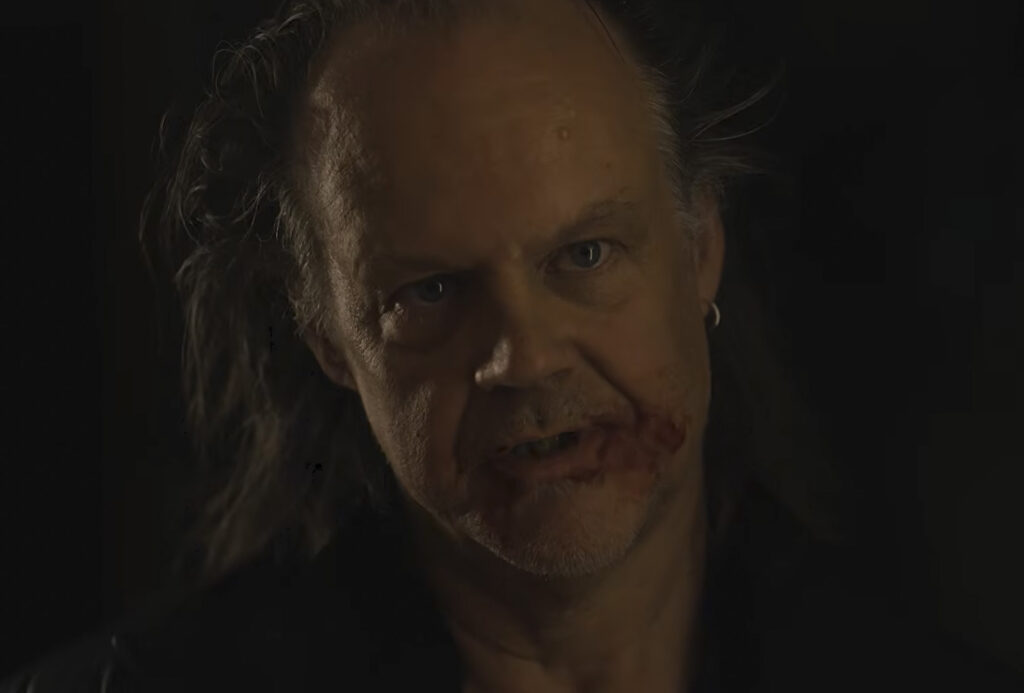
Carrying the movie past these problems is Harries, effectively embodying his tormented role, and who is appropriately movie-star handsome while his angular features suggest he could also make a great Joker. Even as the film goes lighter on digging into his character than it might have, Harries brings an intensity that keeps us watching him. Ackie similarly makes the most of a part that could have used more exploration, and Max Minghella has some good moments as her boyfriend, Detective John Borrelli, who’s investigating the deaths of Szabo’s henchman. Szabo himself, unfortunately, is a standard-issue gangster with little to make him distinctive amidst a DC rogues’ gallery that tends to be a lot more colorful.
One of those rogues, of course, is Clayface himself, and his film aims to be both a self-contained adventure and a villain origin story setting up the character for appearances in later films. As such, CLAYFACE sometimes feels uneasily balanced between eliciting sympathy for Matt and portraying him as a vicious monster. The result is a movie that contains sufficient thrills, excitement and shock moments in individual scenes, even as both the movie and the antihero it showcases wind up being a little less than the sum of their parts.