

No genre knows the terror of being a woman better than horror, from the origins of the final girl trope to more recent films like The Substance, Saccharine and Ugly Stepsister. With these fresh takes on the fears surrounding femininity, sisterhood has also taken a front seat in the genre – and it should stick around. In horror, there is no shame in the ugly and the imperfect. Sisterhood is messy, and as horror portrays all facets, it truly portrays humanity in sisterly bonds.
Horror takes real problems that sisters face and puts them into impossibly brutal and bloody scenarios, allowing them to solve their problems and strengthen their relationships, even in the face of masked killers, demons and monsters.

2022’s Scream introduces us to estranged sisters Sam (Melissa Barrera) and Tara (Jenna Ortega) Carpenter, who are brought together after Tara is the victim of a near-fatal attack by Ghostface. Throughout Scream and Scream 6, they navigate not only the killers that come after them, but also a familial struggle as Sam strikes a balance between protecting Tara and letting her grow.
In the 2026 sequel Ready or Not 2: Here I Come, we learn that our heroine, Grace Macaulay (Samara Weaving), from the first film has a younger sister, Faith (Kathryn Newton). As the pair are swept up in more of Mr. Le Bail’s games, they bicker endlessly – while also dressing each other’s wounds and sharing a few dark jokes. As they play more deadly hide-and-seek, Faith and Grace rebuild their bond and work together to escape.
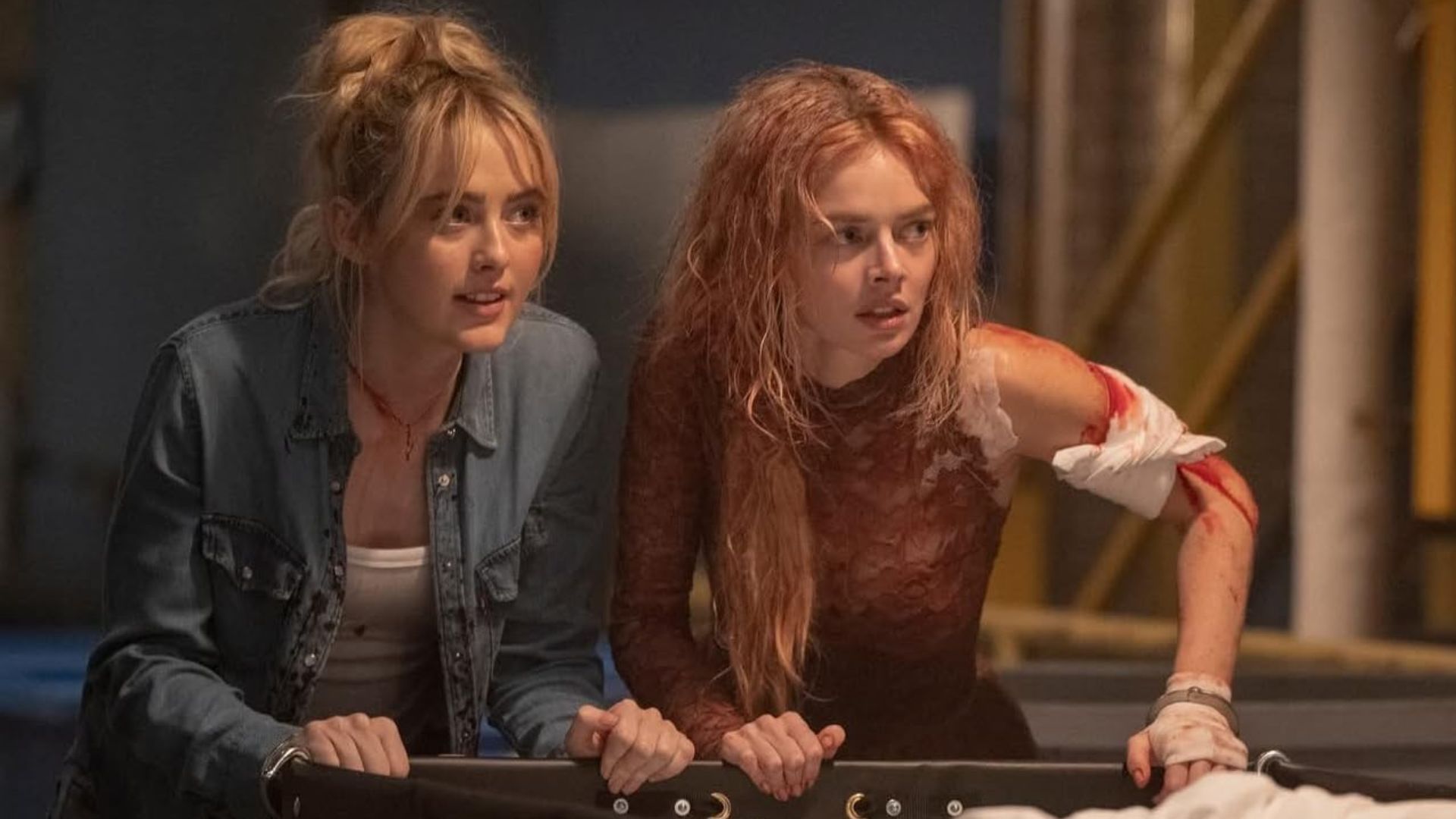
In both of these Radio Silence films, we see the trauma of horror as a means of bringing these sisters together. We are so used to our horror heroines fighting alone. Sisters bring double the trouble, and while their relationships bring emotional beats to round out the story, it’s awesome to watch two final girls kick ass together.
Watching characters like Sam and Grace put everything on the line for their sisters adds another dimension to “the final girl.” We are used to seeing lone women gear up to protect themselves, but now we get to see that protection extend to another. This creates a sense of camaraderie with the audience that builds connection, especially with female viewers.

Along with the audience, the relationship between sisters also appeals to women filmmakers. Leigh Janiak focuses the second installment of her Fear Street trilogy on sisters Cindy (Emily Rudd) and Ziggy Berman (Gillian Jacobs) and a deadly massacre at a local summer camp. Cindy and Ziggy are almost cartoonish opposites, with Cindy being an all-American “good girl” and Ziggy a bullied outcast. Overall, Fear Street looks at the aftermath of losing a sister and having to move on despite the loss. Although horror is no stranger to death, Fear Street shows the raw reality of the guilt and pain that comes from the loss of someone so close.
The relationship between the Berman sisters does become the backbone for the final installment, as Ziggy, who survived her sister’s sacrifice, takes the memory of her sister and uses it to break the Shadyside curse for good.
With horror so often being a genre focused on women, their roles in society and their relationships, highlighting sisterhood has become an incisive tool for redefining the final girl. As always with horror, the future is female, and it’s brighter and bloodier than ever.