
By DR. BENNY GRAVES
Rome, 1971. Margaret Daino, a novitiate nun with a checkered past, arrives at Vizzardelli Orphanage, eager to take the veil. However, the world is changing, and her peers are turning away from Catholic zealotry, hungry for inspiration and love removed from the sacrifices of a humble carpenter. Those within the church know that their power is fading. A pact is made, one that will turn eyes back to the cross and penitence to Father, Son, and Holy Ghost. The rumors of what is io come are unspeakable. The truth of it is unholy. It is no false prophecy… It is THE FIRST OMEN
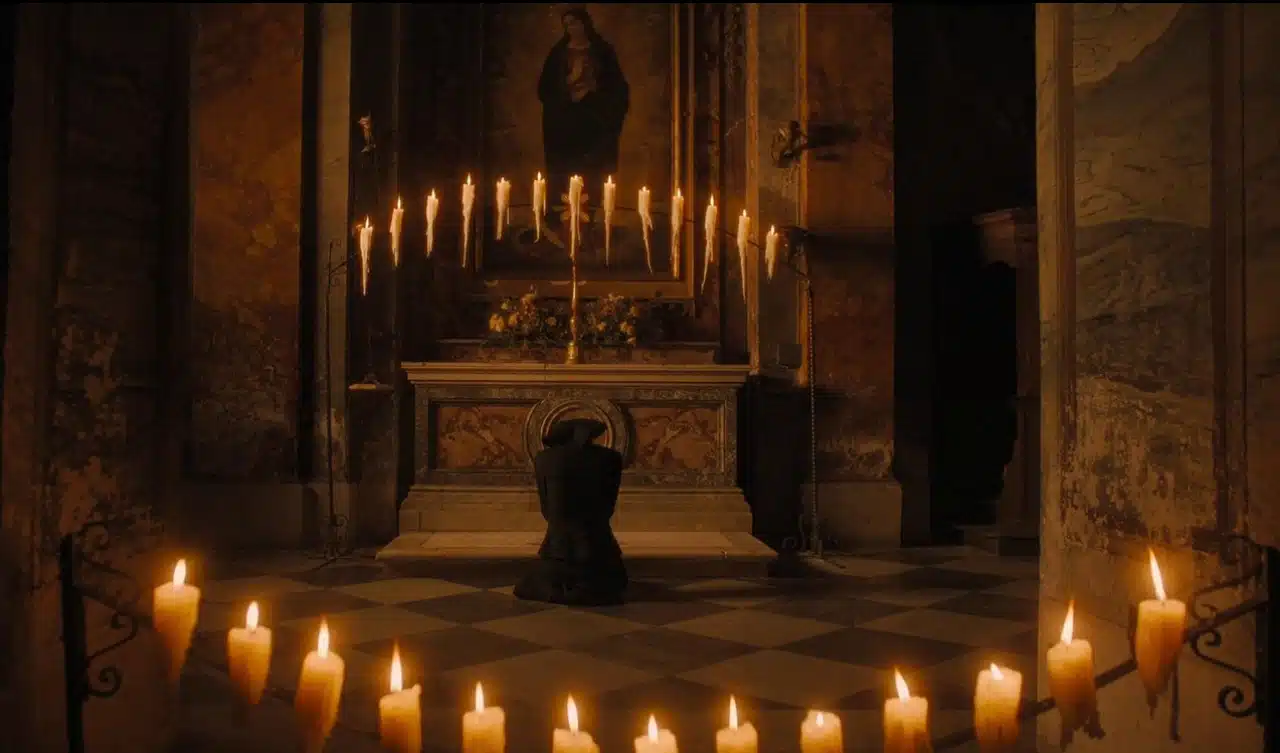
That’s how I’d write the back cover blurb of my Whitley Strieber-esque novelization for THE FIRST OMEN. (Call Me 20th Century Studios!) This piece has been a long time coming. I’m a true acolyte of Arkasha Stevenson’s feature directorial debut, and champion it as the pinnacle of modern Satanic horror. (Check out Michael Gingold’s original 2024 review for a bit of a different perspective.) There’s so much to say, and I’m glad you’re joining me for it. After all, it’s all for you!
The Omen Trilogy that came before is a mixed bag. (We don’t speak of Omen IV: The Awakening in this household.) The first film is a gripping apocalyptic powerhouse directed by Richard Donner, featuring a compelling performance by Gregory Peck and a fantastic soundtrack by Jerry Goldsmith. Its iconic moments are renowned in the genre for good reason. The birthday party sacrifice scene stands on its own as a master class in eeriness. The sequels, however, are wildly uneven. Damien: Omen II has some delightful camp elements (Eye-gouging! Evil ravens! Lance Henriksen!) but drags at times. While many fans decry The Final Conflict, I find it equal parts delightful schlock (Sam Neill monologuing to his perverse Christ sculpture is pure scenery-chewing) and wishful thinking. At this point, Damien Thorne seems like a quaint alternative to certain current world leaders.
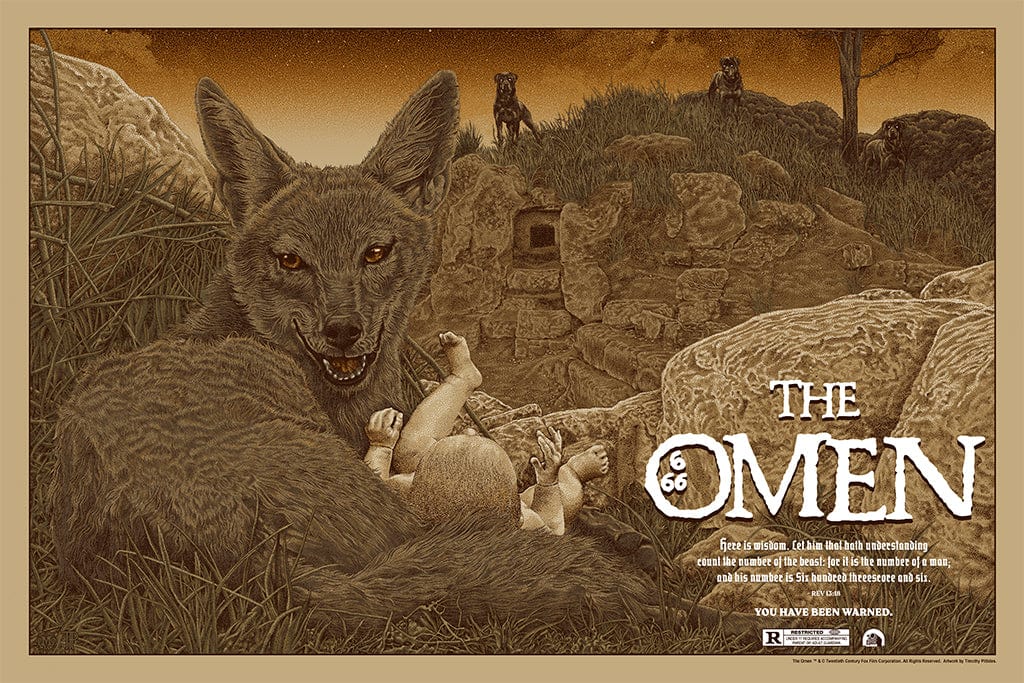
So, long retrospective short, there’s room for improvement. Initially, I had some trepidation going into an Omen prequel. Finding the right balance with Satanic horror is a tricky thing. You want the influence of Ol’ Scratch to have a foreboding grandeur, and you want the lore to have an unspeakable power. Go too far one way, and you enter camp territory – which can work in certain cases (like The Devil’s Rain), but it’s a tough needle to thread. Well, Arkasha Stevenson threaded that needle, then used that thread to make a Boschian tapestry of Luciferous terror.
Margaret Daino (Nell Tiger Free) comes to Italy, prepared to become a nun. Her past was filled with disturbing visions and rebellious behavior, but she’s found acceptance in the gentle hands of a (supposedly) loving God. However, her arrival at Vizzadarelli orphanage coincides with a series of disturbing incidents. Those around her are dismissive at best and combative at worst. And her visions return, more tangible than ever. Enter Father Brennan (Ralph Ineson of The Witch and Nosferatu), blissfully ignorant of his future impalement, and carrying with him a secret. In a uniquely bleak story beat, we learn that a cabal within the Catholic Church is determined to birth the Antichrist. The plan is for the son of Satan to bring his wrath down upon an exceedingly secular world, and in doing so, restore the flock of man to its rightful position. Margaret is repelled by this blasphemy, but as the world grows more diabolical around her, she becomes a believer. The cost of that belief doesn’t just scar, it plunges into the viscera, twisting at it greedily with razor-sharp talons.
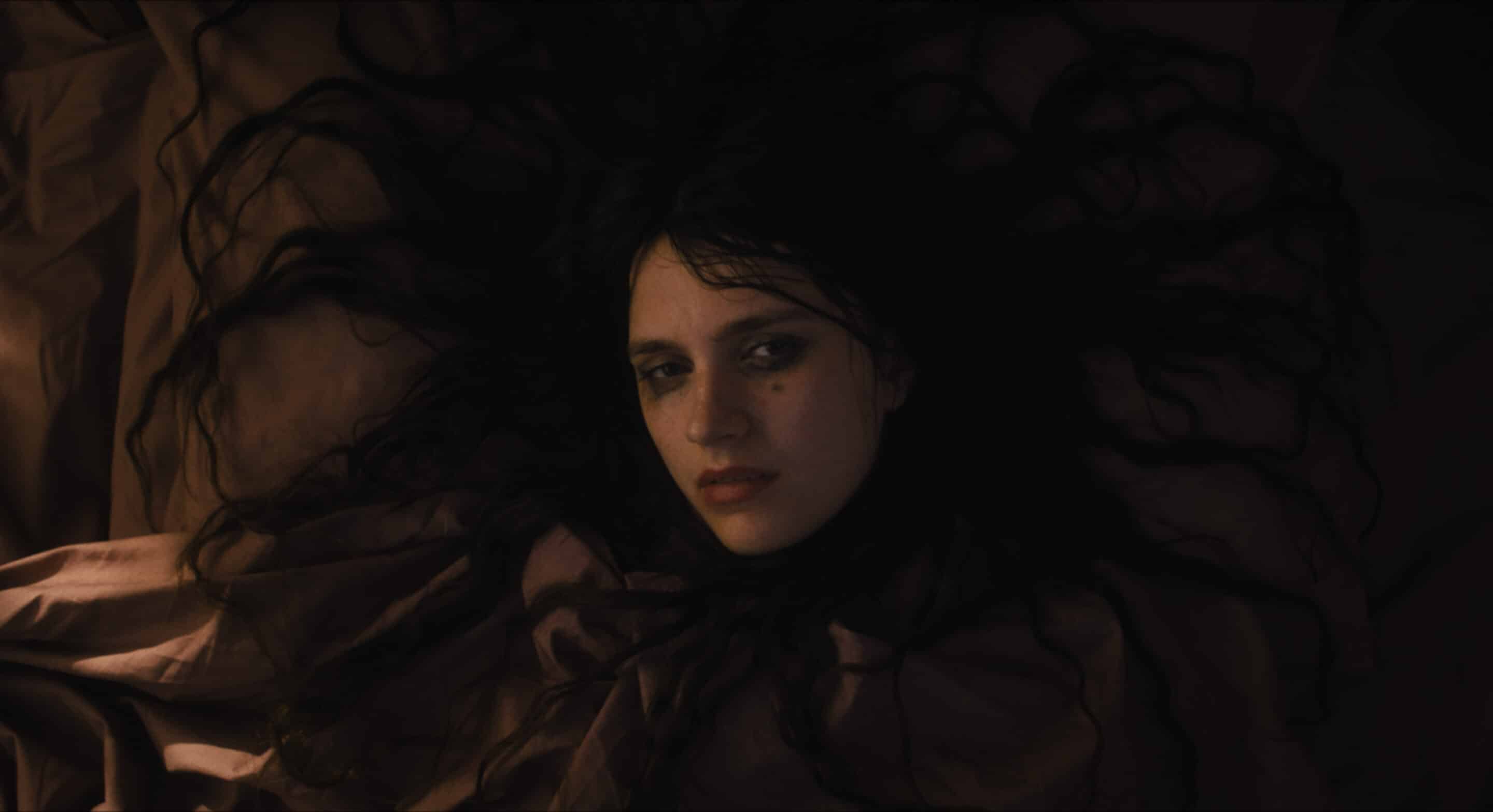
I can’t emphasize how lush this film is. Stevenson turns the cobblestone streets of Italy into a twilight world, the sky perpetually promising rain, and the night shrouded in mist. The orphanage (Partially filmed in the same location as Burial Ground: The Nights of Terror!) is predominantly candlelit, casting flickering amber light over murals of leering demons and agonized penitents. Certain shots feel like surreal art pieces, a standout being Margaret awakening slowly with her hair splayed out around her like black tendrils. These moments make the visions of horror all the more transfixing. A “They’re really doing it” scene of a child’s birth features a gray-fleshed claw emerging with dripping clarity, while a scene of Margaret’s unraveling at the climax of the film honorably homages Isabelle Adjani’s legendary subway scene from Possession.
Nell Tiger Free drives home Margaret’s torment, delivering an incredible performance. I’d also be remiss not to mention Sônia Braga’s role as Abbess Sister Silva, whose character would be at home at the Tanz Academy in Suspiria. Mark Korven’s score is haunting, layered with ominous chants that evoke exactly what you’d expect to hear at the witching hour in a desecrated church.
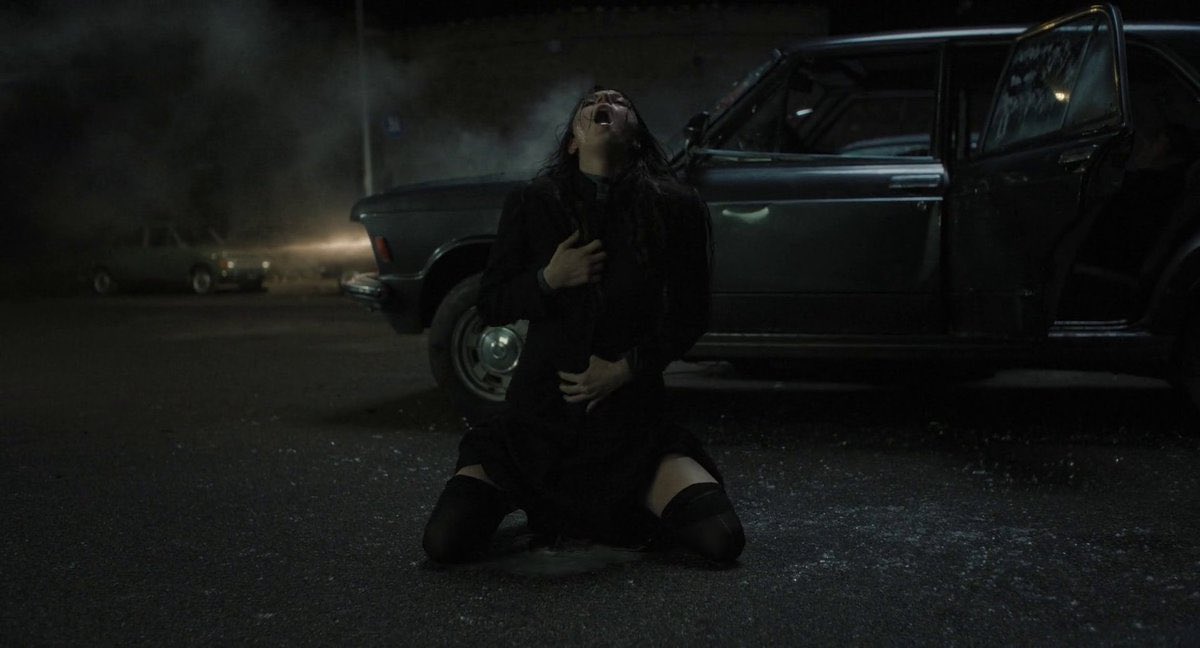
Full disclosure, there is what feels like a tacked-on ending that screams of studio mandate, but it does little to diminish the experience. There’s a no-frills Blu-Ray out from 20th Century Studios, which I own, but I’m praying one day we’ll get an unholy special edition with all the bells and whistles this movie deserves. Arkasha Stevenson didn’t merely put her best foot forward with her feature debut; she gave us a masterpiece of blasphemous terrors. You can’t fault her perfectionism, after all, the Devil’s in the details.
Death To False Horror,
Dr. Benny Graves