By: David Silverberg
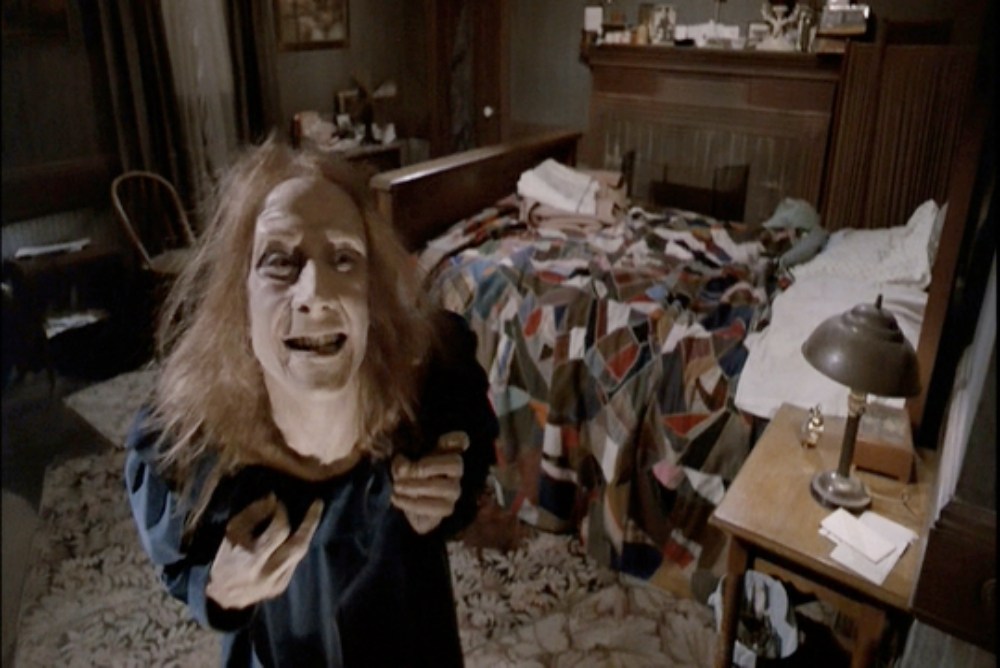
The 1989 adaptation of Stephen King’s Pet Sematary was one of the first horror films to scare me to my marrow. The most alarming scene, back in my first viewing, had to be Zelda’s sorrowful cries and coiled backbone, but little Gage Creed slicing ankles and feasting on poor Fred Gwynne’s throat comes at a close second. For weeks I peered under my bed to make sure some possessed toddler wasn’t wielding a scalpel.
For the uninitiated, Pet Sematary follows a family of four who relocate to a quaint Maine town featuring a pet cemetery. When the Creeds’ family cat dies from a truck barreling down the town’s main road, Louis (Dale Midkiff) buries the cat in an area just past the cemetery called the Deadfall, where Micmac Indians laid to rest those they wanted to resuscitate, before realizing that the dead who came back to life as cannibalistic murderers. The cat returns with super-aggressive attacks and growling, smelling like the sour soil it was buried in. When the family’s baby Gage is killed by an oncoming truck, Lewis goes mad and excavates his son’s body and buries it in the Deadfall, giving film viewers a creepier mini-villain than the previous year’s Chucky in Child’s Play.
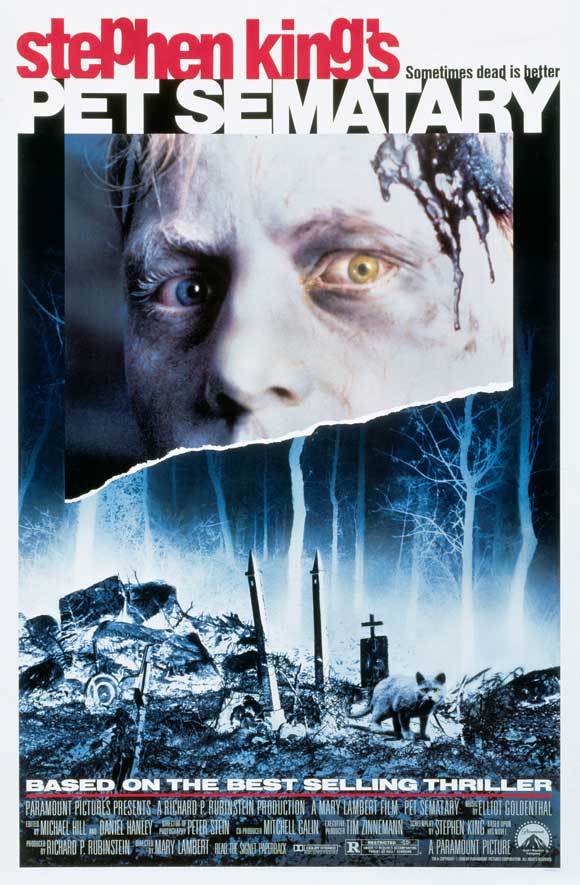
During a more recent viewing, I was struck by how King wrote such a tight screenplay free of any padding or additional characters beyond the book’s main players. Pet Sematary the film plays on the book’s strengths, ensuring its legacy isn’t a temporary blip on the horror-canon radar of the late 80s. The themes of guilt and grief trumping reason are flushed out darkly in the film, with several lines repeated to ensure we don’t forget that “sometimes dead is better,” as intoned by Gwynne’s Jud, a front-porch therapist and town historian.
2019 marks the 30-year anniversary of a film that could’ve looked very different if its original director had helmed the project. George Romero had signed on to initially direct Pet Sematary and King placed several stipulations when selling Romero the rights: the author had to write the screenplay, and the movie needed to be shot in Maine (as King saw the production as a means to pay back the state he proudly called home).
But Romero soon had to ditch the film when he took on Monkey Shines and Day of the Dead. Still, the picture started gaining momentum at Paramount thanks to the ’88 WGA Strike manufacturing a dearth of new screenwriting material. King’s focused and fast-moving screenplay needed a new director so the studio turned to Mary Lambert, a music video director known for Janet Jackson’s Control and Madonna’s Like a Prayer.
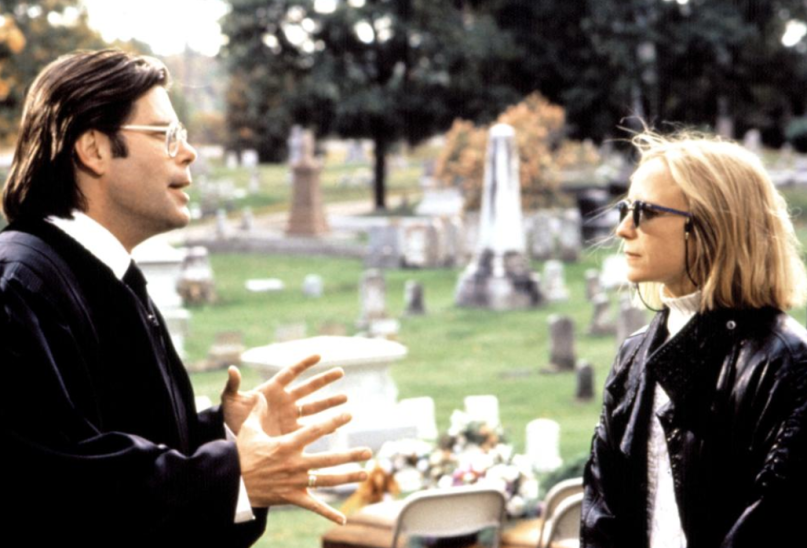
King and executives adored Lambert’s visual touches on these filmic videos and she didn’t disappoint in her debut film, engaging us with terrifying images and depth to female characters such as Rachel Creed and her complicated feelings on death due to watching her sister Zelda die in front of her. Lambert also let the chills of Gage Creed’s murderous rampage slink up our spine with off-screen baby giggles and innocent-like sentiments, such as “Now I want to play with you, daddy.”
What’s interesting is that Lambert didn’t really see Pet Sematary as a straight horror film; she wanted to shift it into a tragedy about the inevitability of death and the head-spinning trauma inflicted on those who survive past their loved ones.
Is there any scene tenser than when Gage is chasing his kite towards the road, where a massive truck is rambling down the asphalt towards the toddler? No gore, no CGI here, just a bloody shoe tumbling down the road and Lewis’s pained cry as he sunk to his knees.
What also remains with viewers is how the film framed rural Maine as a supernatural site of demons and ghosts, a feat King often pulls off seamlessly with other films focused on locations (such as The Shining’s Overlook Hotel and Derry, Maine, in IT).
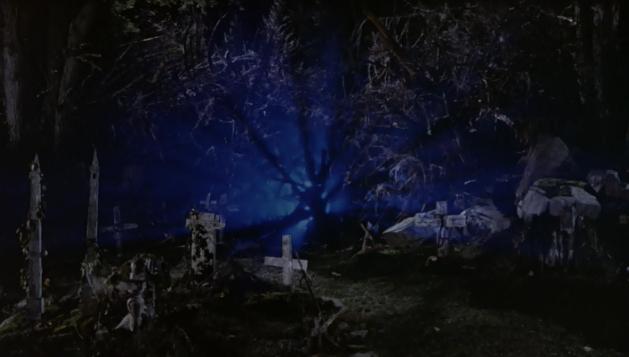
The glowing lights and whispers from the Deadfall evoke an otherworldly setting far removed from the childlike scribblings on the pet cemetery’s tombstones. We are practically shouting at Louis to bury the damn cat in the regular ol’ cemetery, not the Indian burial ground we know will spiral his family into even deeper tragedy.
Pet Sematary is part Monkey’s Paw, part Frankenstein, part ghost story. The dread is so thick in the film because it isn’t a creature feature where the boogeyman arrives unceremoniously on the Creed doorstep; it asks us what we would do if our loved ones died and we weren’t ready to let them go. Sometimes, the horror is embedded within our own psyche, as we wonder just how different we would have been in the face of such deep grief.